How To Start A Small Cleaning Business From Home: 2026 Guide
Starting a small cleaning business from home is one of the smartest ways to build a steady income with low startup costs and high demand in almost every local market.
Whether you're looking for a side hustle you can grow into a full-time career or you're ready to take the leap into entrepreneurship right now, the cleaning industry offers a real path forward. I've worked with home-based cleaning startups for years, and I've seen firsthand how a simple, well-thought-out plan can turn a single mop and bucket into a thriving, multi-team operation. The key is knowing exactly what steps to take, in what order, so you don't waste time or money on the wrong moves. In this guide, I'll walk you through every stage, from choosing your niche and setting your prices, to getting licensed, finding your first clients, and scaling with confidence. By the end, you'll have a clear, practical roadmap to launch your own home-based cleaning business the right way.

Understanding the Cleaning Industry and Choosing Your Niche
Before you invest in supplies or print business cards, you need to understand the cleaning industry you're stepping into and decide where you want to fit within it. This isn't just about being good at cleaning. It's about finding a profitable corner of the market where your skills, personality, and local demand line up.
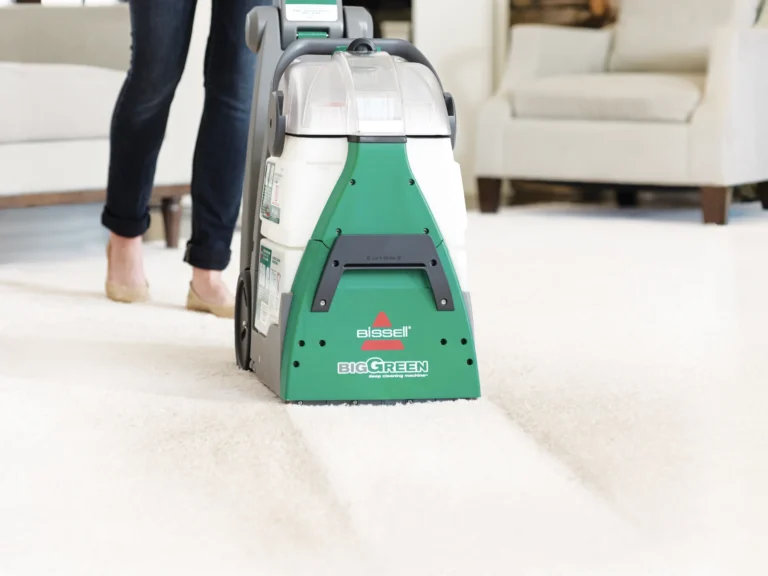
The cleaning industry is broad, and home-based cleaning businesses fall into a few main categories. Residential cleaning is the most common starting point, covering regular house cleaning, deep cleaning, move-in and move-out cleaning, and seasonal tasks like window washing or post-holiday cleanup. Commercial cleaning focuses on offices, retail spaces, medical facilities, and restaurants. Specialty cleaning includes things like carpet and upholstery cleaning, post-construction cleanup, hoarding cleanup, and eco-friendly or green cleaning services.
Choosing a niche early on helps you stand out. When I helped a friend launch her cleaning business, she started with basic residential cleaning but quickly realized her real passion was helping busy families with kids and pets. She leaned into that, marketed specifically to young parents, and within six months had a waitlist. That's the power of a focused niche. It makes your marketing easier, your pricing clearer, and your referrals stronger.
Think about your strengths. Do you enjoy detailed work? Deep cleaning or move-out cleaning might be your sweet spot. Do you want predictable weekly income? Regular residential or office cleaning contracts are ideal. Are you passionate about sustainability? Green cleaning is a growing niche with loyal customers willing to pay more. Pick one or two areas to focus on at first, then expand as you grow.

Creating a Solid Business Plan
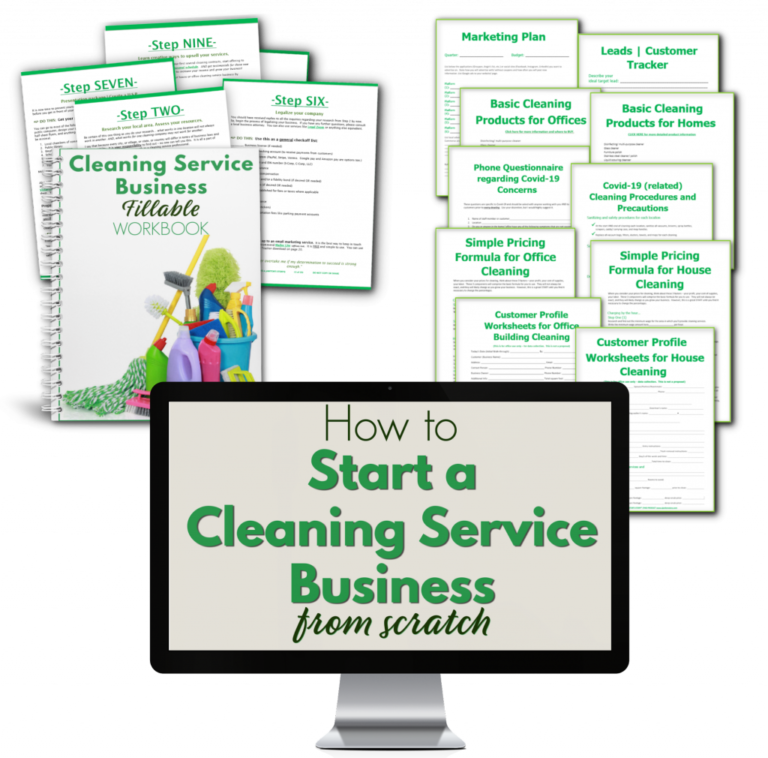
Every successful home-based cleaning business starts with a plan, even if it's a simple one. A business plan doesn't have to be a 50-page document. It just needs to answer the basic questions: What services will you offer? Who are your customers? How will you reach them? How much will you charge? What are your startup costs, and when do you expect to break even?
Start by outlining your services in detail. Will you offer weekly, biweekly, and monthly packages? Will you charge by the hour, by the square foot, or by the job? Most home-based cleaning businesses start with flat-rate pricing per visit because it's easier for customers to understand and easier for you to forecast revenue.
Next, define your ideal customer. A young professional in a downtown apartment has different needs and expectations than a retired homeowner in the suburbs. Knowing who you're serving shapes everything from how you price to how you market. Write down their age, income, lifestyle, and biggest cleaning pain points. This becomes the foundation of your marketing message.
Then, map out your startup costs. At a minimum, you'll need cleaning supplies, basic equipment like a vacuum and microfiber cloths, a reliable vehicle, insurance, and a way to accept payments. For a solo operation working from home, you can often launch for under $1,000. I'll break down these costs in more detail later, but having a clear number keeps you grounded and focused.
Finally, set simple goals. How many clients do you want in your first 30, 60, and 90 days? What monthly revenue would make this business feel worth it? How many recurring clients would you need to eventually hire help? Writing these numbers down turns vague intentions into a real plan you can follow.

Setting Up Your Business Legally at Home
One of the biggest mistakes new cleaning business owners make is skipping the legal setup because they're working from home and it feels informal. That informal setup can cost you thousands later if something goes wrong. The good news is that setting up a home-based cleaning business legally is straightforward and affordable in most places.
Start by choosing a business structure. Many home-based cleaning businesses start as sole proprietorships because they're simple and inexpensive. You just register your business name with your state or local government, and you're good to go. As you grow, you might switch to an LLC for liability protection and tax flexibility. An LLC separates your personal assets from your business, which matters when you're working in other people's homes.
Next, get an EIN, or Employer Identification Number, from the IRS if you plan to hire employees or form an LLC. It's free and takes about 10 minutes online. You'll also need a business bank account to keep your personal and business finances separate. Mixing those two is one of the fastest ways to lose track of your profitability.
Licensing and permits vary by location. Some cities and states require a general business license, while others don't regulate residential cleaning at all. Check with your local city hall or county clerk's office to find out what's required in your area. In some places, you'll also need a sales tax permit if you sell cleaning products as part of your service.
Insurance is non-negotiable. General liability insurance protects you if you accidentally damage a client's property or someone gets hurt on the job. Many clients, especially commercial ones, won't hire you without proof of insurance. You can often get a basic policy for a few hundred dollars a year, and it's worth every penny for the peace of mind alone.

Investing in the Right Cleaning Supplies and Equipment
Your supplies and equipment are the tools of your trade, and investing wisely here saves you money and headaches down the road. You don't need the most expensive gear to start, but you do need reliable, professional-grade basics that get the job done right.
Start with the essentials every cleaning kit should have. Microfiber cloths in different colors for different surfaces, a quality vacuum cleaner with strong suction, a mop system that works on multiple floor types, scrub brushes, squeegees, a sturdy caddy to carry everything, and trash bags. For cleaning solutions, you can buy concentrated professional products in bulk to save money, or you can make your own with simple ingredients like white vinegar, baking soda, and castile soap if you're going the eco-friendly route.
A few pieces of equipment make a huge difference. A backpack vacuum is great for carrying between jobs and saves your back on stairs. A steam cleaner is a worthwhile investment if you're offering deep cleaning services. A extendable duster helps with high ceilings and fans. And don't forget personal protective equipment like gloves, masks, and non-slip shoes.
When I started helping cleaning businesses source their supplies, I learned quickly that buying cheap usually costs more in the long run. A flimsy vacuum that breaks in six months costs more than a reliable one that lasts five years. Same with cleaning solutions. Concentrated products that you dilute yourself are almost always cheaper per use than ready-to-spray bottles.
Start with a basic kit that lets you handle the services you're offering, then add specialized tools as you take on new types of jobs. Keep your supplies organized in a dedicated space in your home, whether that's a garage corner, a closet, or a small storage area. This makes packing for jobs faster and keeps your home life from feeling overrun by your business.
Pricing Your Cleaning Services for Profit
Pricing is where a lot of new cleaning business owners either leave money on the table or price themselves out of jobs. The goal is to charge enough to cover your costs, pay yourself fairly, and make a profit, while staying competitive in your local market.
Start by calculating your true hourly cost. Add up all your business expenses, including supplies, transportation, insurance, equipment replacement, and taxes. Divide that by the number of billable hours you realistically work each week. This gives you a baseline number that tells you the minimum you need to charge per hour to break even.
Most home-based cleaning businesses charge between $25 and $50 per hour per cleaner, depending on the market. In high-cost-of-living areas, you can charge more. Specialty services like deep cleaning or move-out cleaning typically command higher rates because they take more time and effort. Many businesses use flat rates per job instead of hourly pricing because customers prefer knowing the total upfront.
When setting flat rates, break down your time carefully. A standard three-bedroom home might take 2.5 hours to clean thoroughly. If you want to earn $35 per hour, that's $87.50 per visit. Add a buffer for travel time and unexpected issues, and you might quote $120 for that job. Always factor in drive time between jobs, because that time is unbillable but still part of your workday.
Don't compete on price alone. The cheapest cleaner in town is usually the busiest, but also the most stressed and the most likely to burn out. Focus on the value you provide, like showing up on time, doing consistent quality work, being trustworthy in someone's home, and offering easy scheduling and payment. Customers who value these things will happily pay a little more for the peace of mind.

Marketing Your Home-Based Cleaning Business
Once you're set up and ready to clean, you need customers. Marketing a home-based cleaning business doesn't require a big budget, but it does require consistency and a clear message about who you serve and why you're different.
Start with the basics. Get a simple, professional website with your services, pricing or quote request form, service area, and contact information. You don't need anything fancy, just something that looks clean and trustworthy. Include before-and-after photos of your work once you have them, and ask every happy client for a written review you can feature.
Social media is a free and powerful tool for cleaning businesses. Before-and-after photos do incredibly well on Instagram and Facebook. Time-lapse videos of you cleaning a kitchen or bathroom attract attention and show your process. Share cleaning tips, behind-the-scenes glimpses of your routine, and testimonials from clients. Local Facebook groups and Nextdoor are especially valuable for connecting with homeowners in your area.
Old-school marketing still works. Flyers and door hangers in your target neighborhoods can generate real leads, especially if you offer a new customer discount. Partnering with local real estate agents, property managers, and Airbnb hosts can create a steady stream of referrals. These professionals often need reliable cleaners and are happy to recommend someone they trust.
Word of mouth is the most powerful marketing tool for any service business. Do an exceptional job on your first few jobs, and don't be shy about asking those clients to tell their friends. Offer a small referral bonus, like a discount on their next cleaning, to make it even more appealing. I've seen cleaning businesses grow almost entirely through referrals, where one happy client leads to three more in just a few weeks.

Finding and Keeping Your First Clients
Landing your first few clients can feel like the hardest part, but it gets easier once you have momentum. The first clients are extra important because they often become long-term customers and your first source of referrals.
Start with your personal network. Tell friends, family, neighbors, and coworkers that you're starting a cleaning business. Offer to clean their home at a discounted rate in exchange for an honest review and permission to use their home as a reference. This gives you real-world experience, before-and-after photos, and testimonials all at once.
Use online marketplaces strategically. Platforms like Thumbtack, TaskRabbit, and Care.com let you bid on cleaning jobs in your area. They take a cut of your earnings, but they're great for building experience and reviews when you're just starting. Once you have a solid portfolio of positive reviews, you can transition to getting clients directly through your own website and marketing.
When you land a new client, focus on over-delivering. Show up a few minutes early. Bring all your own supplies. Do the small extras that other cleaners skip, like wiping down baseboards or organizing the bathroom counter. Follow up the next day to ask how everything looked and if there's anything you can improve. That kind of attention turns a one-time job into a long-term relationship.
Retention is where real profitability lives. Acquiring a new client costs more than keeping an existing one. Set up a simple system for tracking client preferences, scheduling recurring appointments, and sending reminders. Send a quick text the day before a cleaning. Leave a small thank-you note after a deep clean. These little touches make clients feel valued and make them far less likely to shop around.

Managing Money, Taxes, and Growth
Once you have steady work coming in, you need to manage your money well or risk losing control of your business. This is where a lot of home-based cleaning businesses either build a strong foundation or fall apart after a year.
Set up a simple bookkeeping system from day one. You can use software like QuickBooks or Wave, or even a well-organized spreadsheet. Track every dollar of income and every business expense, from cleaning supplies to gas for your car. Come tax time, you'll thank yourself. As a self-employed person, you can deduct legitimate business expenses and lower your taxable income significantly.
Put money aside for taxes every time you get paid. Self-employment tax is around 15.3 percent, plus regular income tax. A simple rule is to set aside 25 to 30 percent of every payment in a separate tax savings account. This prevents the panic of a huge tax bill in April and keeps your business finances healthy.
As your client list grows, you'll reach a point where you can't handle all the work yourself. That's a good problem, but it requires careful planning. Hiring your first employee is a big step. You'll need to pay payroll taxes, get workers' compensation insurance, and follow labor laws in your state. Make sure you can cover these added costs while still making a profit. A good rule of thumb is to charge enough per hour that you can afford to pay a cleaner 50 to 60 percent of what the client pays, and still make a solid margin.
Growth also means investing in better systems. Scheduling software, automated invoicing, and customer relationship management tools save you hours every week once you're managing multiple clients or teams. Even simple upgrades like a dedicated business phone number and a professional email address make you look more established and trustworthy.

Common Mistakes to Avoid When Starting Out
After watching many cleaning businesses launch, I've seen the same handful of mistakes trip up new owners again and again. Knowing these ahead of time gives you a real advantage.
The first mistake is undercharging. Many new cleaners set their prices based on what they think people will pay, rather than what their time and skills are worth. This leads to burnout and resentment. Price based on your costs and the value you provide, not on fear of losing a job.
The second mistake is skipping insurance. One broken heirloom or one slip-and-fall in a client's home can cost you thousands out of pocket if you're uninsured. General liability insurance is cheap and protects everything you've built.
The third mistake is mixing personal and business finances. Using your personal bank account for business transactions makes it hard to track profitability, harder to file taxes, and signals to clients that you're not a real business. A separate business account and a simple payment system like Square or PayPal make you look professional and keep your records clean.
The fourth mistake is failing to get everything in writing. Verbal agreements with clients lead to misunderstandings about scope, pricing, and expectations. Use a simple service agreement that outlines what's included, what costs extra, and your cancellation policy. This protects both you and your client.
The fifth mistake is trying to do everything yourself for too long. Many solo cleaners burn out trying to clean every job, handle all the marketing, manage the books, and answer every phone call. As soon as you can afford it, delegate tasks that aren't your strength, even if it's just hiring a bookkeeper or a virtual assistant for a few hours a week.
Frequently Asked Questions About Starting a Small Cleaning Business From Home
How much money do I need to start a small cleaning business from home?
You can start a solo residential cleaning business for as little as $500 to $1,000. This covers basic supplies, a vacuum, marketing materials, and initial insurance. The biggest variable is whether you already have a reliable vehicle and a smartphone for scheduling and payments.
Do I need a license to start a cleaning business from home?
It depends on your location. Many cities and counties require a general business license, but residential cleaning is unregulated in many areas. Check with your local city hall or county clerk to confirm what's required where you live. Even if a license isn't required, forming an LLC and getting insurance is still a smart move.
How do I find my first cleaning clients?
Start with your personal network. Tell everyone you know that you're in business, and offer a discounted first clean in exchange for a review. Then expand to local Facebook groups, Nextdoor, and platforms like Thumbtack. Partnering with local real estate agents and Airbnb hosts is another fast way to build a client base.
What should I charge for home cleaning services?
Most residential cleaners charge between $25 and $50 per hour per cleaner, or a flat rate per job. For a standard three-bedroom home, expect to charge between $120 and $200 per visit. Specialty services like deep cleaning or move-out cleaning typically cost more because they take more time and effort.
Can I run a cleaning business alone, or do I need to hire employees?
You can absolutely run a cleaning business solo, and most successful home-based cleaning businesses start that way. You only need to hire when you have more work than you can handle yourself and you can afford to pay a helper while still making a solid profit. Many solo operators stay solo for years by limiting their client base to what they can manage comfortably.
Your Next Step Toward Building a Profitable Cleaning Business
Starting a small cleaning business from home is one of the most accessible ways to build real, lasting income with minimal upfront investment. You now have a clear roadmap: choose your niche, write a simple plan, set up your business the right way, invest in quality supplies, price for profit, market consistently, and deliver exceptional service to every client.
The cleaning industry rewards reliability, quality, and trust more than almost any other service industry. Show up on time. Do what you say you'll do. Treat every home like it matters. Do that, and you'll never run out of work. If you're ready to take the next step, start by creating your one-page business plan today, then reach out to three people in your network tonight to tell them you're open for business. Momentum builds fast once you begin.