How Do I Start a Home Cleaning Business: 2026 Guide
Starting a home cleaning business is one of the smartest ways to build a profitable, low-overhead venture that grows with your ambition. With the right plan and a bit of grit, you can turn spotless spaces into steady income.
If you've ever wiped down a kitchen and thought, "I could really make a living doing this," you're not alone. Thousands of people across the country are turning everyday cleaning skills into thriving small businesses. A home cleaning service is one of the easiest businesses to launch because the demand is constant, the startup costs are low, and the results are instantly visible. In this guide, I'll walk you through exactly how to start a home cleaning business from scratch, sharing real-world lessons, practical tips, and everything you need to get your first client. Think of this as your friendly roadmap, written by someone who's seen what works (and what doesn't) in the cleaning industry.

What Is a Home Cleaning Business and Why Is It a Smart Choice
A home cleaning business is a service-based company that provides residential cleaning to homeowners, renters, and property managers. It can range from basic weekly tidying to deep cleans, move-out services, and specialty jobs like post-construction cleanup.
The residential cleaning industry in the U.S. is worth over $20 billion, and it's still growing year after year. People are busier than ever, dual-income households are the norm, and there's a growing awareness of how a clean home affects mental health and productivity. That means there's no shortage of folks who would happily pay someone else to handle the dust bunnies.
Starting small is completely fine. Many successful cleaning business owners began with just a few clients, a reliable vacuum, and a can-do attitude. You don't need a fancy office or a team of employees to begin. You just need a plan, a little hustle, and the willingness to learn as you grow.
Research the Market and Choose Your Niche
Before you buy a single bottle of cleaner, take some time to understand your local market. Every neighborhood is different, and what works in a busy city won't necessarily fly in a small town.
Start by looking at the competition. Search online for cleaning services in your area. Check review sites, social media pages, and local business directories. Pay attention to what other cleaners are offering, how they price their services, and what customers are saying about them. If you see a lot of complaints about reliability, that's your opening. If everyone offers the same basic service, that's a chance to specialize.
Choosing a niche can help you stand out. You don't have to be everything to everyone. Some popular niches include:
- Eco-friendly or green cleaning for health-conscious clients.
- Move-in and move-out cleaning for renters and realtors.
- Deep cleaning and seasonal refreshes.
- Cleaning for seniors or people with mobility challenges.
- Short-term rental and Airbnb turnover services.
When I first started exploring the idea of a cleaning business, I noticed my area had plenty of basic weekly cleaners but very few who specialized in move-out cleans for real estate agents. That gap turned out to be a goldmine. Picking a niche doesn't lock you in forever. It just gives you a clear starting point and makes your marketing much easier.
Create a Simple Business Plan
You don't need a 50-page document to launch a cleaning business. A simple one-page plan is enough to keep you focused and on track.
Start by defining your services. Will you offer weekly, bi-weekly, or monthly cleanings? Will you add extras like inside-oven cleaning, fridge cleaning, or window washing? Decide what you'll do and what you won't, at least at the beginning.
Next, figure out your pricing. Most residential cleaners charge between $120 and $300 per visit, depending on the size of the home, the type of service, and your local market. You can charge by the hour, by the square foot, or by the job. Flat rates are often easier for clients to understand and for you to predict.
Here's a quick example of a simple business plan structure:
- Services: Standard cleaning, deep cleaning, move-out cleaning.
- Target customers: Busy families, seniors, rental property owners.
- Pricing: $150 for a standard 2-bedroom home, $250 for a deep clean.
- Startup costs: Cleaning supplies, insurance, marketing materials, website.
- Revenue goal: 15 recurring clients within the first 6 months.
Writing this down helps you see the big picture and makes it easier to measure progress as you go.
Register Your Business and Handle the Legal Stuff
Once you have a plan, it's time to make your business official. This part feels intimidating at first, but it's pretty straightforward.
First, choose a business name. Pick something clean, professional, and easy to remember. Check your state's business registry to make sure the name isn't already taken. Once you have a name, register your business as a sole proprietorship, LLC, or corporation. An LLC is a popular choice for small cleaning businesses because it protects your personal assets and looks professional on paper.
Next, get an EIN (Employer Identification Number) from the IRS. This is free and only takes a few minutes. You'll use it for taxes and to open a business bank account.
Don't forget about licenses and permits. Some cities and states require cleaning businesses to have a general business license. Requirements vary, so check with your local city hall or state website. If you plan to use your own vehicle for transporting supplies, make sure your insurance covers business use.
Finally, get insured. General liability insurance is a must. It protects you if you accidentally damage a client's property or someone gets hurt on the job. Many clients won't even hire a cleaner without proof of insurance, so this is one expense you don't want to skip.
Invest in the Right Cleaning Supplies and Equipment
You don't need a warehouse full of products, but you do need reliable, professional-grade supplies. Starting with the basics keeps costs low and lets you upgrade as you grow.
Here's a starter list of essentials:
- A commercial-grade vacuum cleaner.
- Microfiber cloths in different colors to avoid cross-contamination.
- A mop and bucket system.
- Extendable dusters and a sturdy step stool.
- Multi-surface cleaners, disinfectants, and glass cleaners.
- Trash bags, paper towels, and disposable gloves.
- A caddy or organized tote to carry everything.
If you're going the eco-friendly route, look for plant-based, non-toxic products. Many clients are willing to pay a bit more for green cleaning, and it can be a strong selling point.
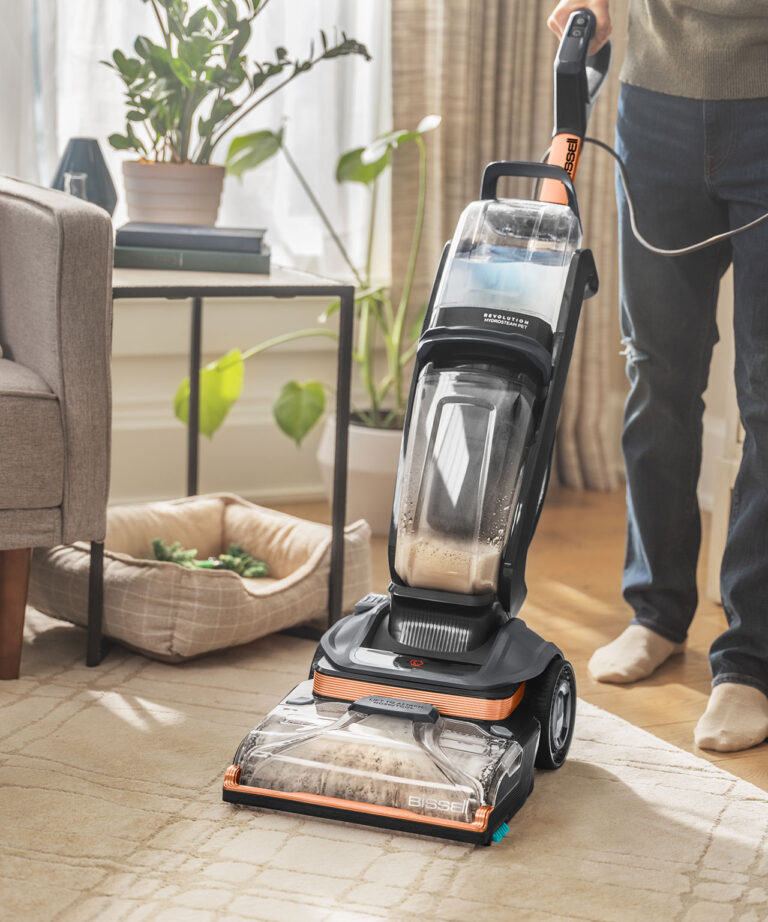
One tip from experience: don't buy the cheapest vacuum. A flimsy vacuum will frustrate you and underperform on every job. Invest in a good one upfront and treat it well. It will pay for itself in saved time and better results.
Set Your Pricing Strategy
Pricing can make or break your cleaning business, especially in the early days. Charge too little and you'll burn out before you grow. Charge too much and you'll struggle to land your first clients.
The most common pricing models are:
- Hourly rate: You charge a set rate per hour of work. This is simple but can lead to client anxiety if the job takes longer than expected.
- Flat rate per job: You charge a fixed price based on the type of service and home size. This is easier for clients to understand and helps you manage your time.
- Per square foot: You charge based on the size of the home. This is common for commercial cleaning but can also work for residential.
A good rule of thumb is to start by calculating your costs, including supplies, travel, and labor. Then add a profit margin of 20 to 30 percent. Check what other cleaners in your area are charging and position yourself competitively.
Don't be afraid to charge what you're worth. Cleaning is hard, physical work, and you deserve to be paid fairly. If a client balks at your price, it's okay to walk away. The right clients are out there.
Build Your Brand and Online Presence
Even if you're a one-person operation, you need to look professional. Your brand is how clients perceive you, and it starts before you ever step foot in their home.
Start with a simple logo and a clean color scheme. You don't need to hire a designer. Tools like Canva make it easy to create a professional look on a budget. Use the same colors, fonts, and logo across everything from your business cards to your cleaning caddy.
Next, build a basic website. A one-page site with your services, pricing, contact info, and a booking form is enough to get started. Include high-quality photos and customer testimonials as you collect them.
Claim your profiles on Google Business Profile, Yelp, and Facebook. These are free and help you show up in local searches. Encourage your first few clients to leave reviews. Positive reviews are the lifeblood of a cleaning business. They build trust and bring in new leads without you having to spend a dime on ads.
Social media can also help, but you don't need to be everywhere. Pick one or two platforms, like Instagram and Facebook, and share before-and-after photos, cleaning tips, and client shoutouts. Visual content works wonders in this industry.
Find Your First Clients
Landing your first client is the hardest part, but it gets easier with every job. The key is to put yourself in front of the right people.
Start with your personal network. Tell friends, family, and neighbors that you're offering cleaning services. Offer a discounted first clean to get a few testimonials under your belt. Word of mouth is incredibly powerful in this business. One happy client can lead to three more.
You can also:
- Distribute flyers and door hangers in target neighborhoods.
- Partner with local real estate agents, property managers, and Airbnb hosts.
- Join local business groups and networking events.
- Offer referral bonuses to existing clients.
- Post your services on community boards and apps like Nextdoor.
When I started out, my first three clients all came from personal connections. They were patient, forgiving, and willing to give me a shot. After a few months, those clients referred me to others, and the business grew naturally. Don't underestimate the power of simply asking for the job.
Deliver Outstanding Service Every Time
The cleaning industry is built on trust. People are letting you into their most private space, and they want to know their home is in good hands. That means consistency matters more than anything.
Show up on time. Communicate clearly. Follow a checklist for every job so nothing gets missed. Pay attention to the small details, like fluffing pillows, straightening rugs, and leaving a little handwritten thank-you note. These small touches turn a one-time client into a long-term fan.
If a client ever has a concern, address it quickly and professionally. Mistakes happen. What matters is how you handle them. Own it, fix it, and use it as a chance to build trust.
Over time, you'll develop your own systems and routines. Document your processes, create checklists, and refine your craft. The best cleaners are always learning and improving.
Manage Your Money and Grow at Your Own Pace
Once the jobs start rolling in, it's time to think about money management. Open a separate business bank account to keep your personal and business finances clean. Use accounting software like QuickBooks or Wave to track income and expenses.
Set aside money for taxes. As a self-employed person, you'll owe self-employment tax on top of your regular income tax. A good rule of thumb is to save 25 to 30 percent of every payment. Come tax time, you'll be glad you did.
As you grow, consider hiring help. Start by bringing on a trusted friend or family member as a subcontractor. Train them well and treat them fairly. Happy employees lead to happy clients, and that's how a one-person job becomes a real business.
Frequently Asked Questions About Starting a Home Cleaning Business
How much money do I need to start a home cleaning business?
Most people can start a home cleaning business for between $500 and $2,000. The main costs are cleaning supplies, insurance, marketing materials, and a basic website. You don't need an office or expensive equipment to get going.
Do I need a license to start a cleaning business?
It depends on your state and city. Some areas require a general business license, while others don't. Check with your local government to find out what's required in your area. Getting insured is strongly recommended either way.
How do I find clients for my cleaning business?
Start with friends, family, and neighbors. Then expand to flyers, local partnerships, and online platforms like Google Business Profile and Facebook. Referrals and word of mouth will become your biggest source of new clients over time.
What should I charge for home cleaning?
Prices vary by region, but most residential cleaners charge between $120 and $300 per visit. Deep cleans and move-out cleans typically cost more. Research your local market and price based on the size of the home and the type of service.
How long does it take to build a successful cleaning business?
It depends on your effort and market, but most cleaning businesses start turning a real profit within 6 to 12 months. Consistency, good service, and smart marketing will speed up the process significantly.
Final Thoughts
Starting a home cleaning business is one of the most accessible paths to entrepreneurship. You don't need a fortune, a fancy degree, or years of experience. You need a plan, a strong work ethic, and the willingness to start small. Every shiny floor, every grateful client, and every five-star review is proof that you're building something real. Take it one job at a time, keep learning, and don't be afraid to grow. Your future self will thank you for starting today. If you found this guide helpful, share it with someone who's ready to take the leap, and drop a comment below with your biggest question about getting started.