How To Do Dry Cleaning At Home: Best 2026 Guide
Dry cleaning at home is a simple, budget-friendly way to freshen your delicate clothes using a DIY kit, gentle hand-washing, or a household steamer without leaving your house.
I still remember the first time I tried dry cleaning at home. I had a silk blouse I loved, but the dry cleaner was closed, and I really needed it the next day. After a little research and a lot of trial and error, I figured out how to get it looking fresh without a fancy machine. Now, I do it all the time, and honestly, I rarely go to the dry cleaner anymore. If you want to save money, take care of delicate fabrics, and never stress about a last-minute stain again, keep reading. This guide will walk you through everything you need to know about dry cleaning at home, from start to finish.
:max_bytes(150000):strip_icc()/how-to-dry-clean-at-home-5076182-hero-70252bac30f04d728efc9786db03f202.jpg)
What Is Dry Cleaning and How Does It Work at Home?
Dry cleaning sounds fancy, but at its core, it is just a way to clean clothes without using water. Traditional dry cleaners use a liquid solvent called perchloroethylene, often called perc, to remove dirt, oil, and stains from fabrics that water might damage. When you do dry cleaning at home, you skip the commercial machines and solvents, and instead use gentler methods that protect your clothes while still getting them clean.
The main idea is to clean dry-clean-only clothes without soaking, wringing, or agitating them too much. Water can cause shrinkage, color bleeding, or texture changes in fabrics like silk, wool, rayon, and linen. Dry cleaning avoids these issues by using minimal moisture and gentle cleaning agents. At home, you can mimic this process using a few simple tools and techniques.
There are three popular ways to do dry cleaning at home:
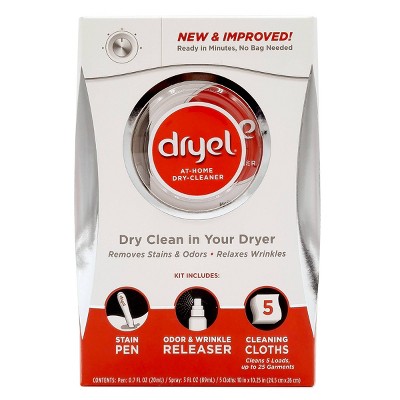
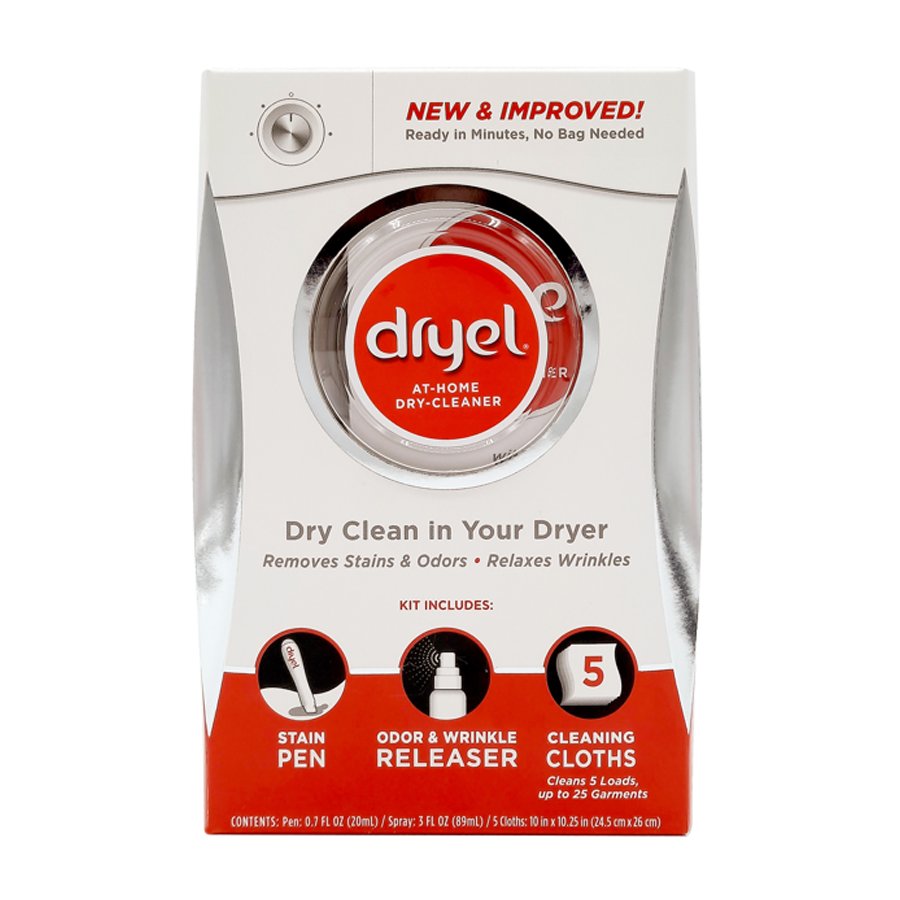
- A DIY dry cleaning kit that includes a stain remover, a cleaning cloth, and a gentle solvent
- Hand-washing delicate items with a mild detergent designed for dry-clean-only fabrics
- Using a garment steamer to freshen up clothes between full cleanings
Each method has its own perks, and I have tried all three. Some work better for certain fabrics, while others are quicker or more affordable. Let me break them down so you can pick the one that fits your needs.
Why You Might Want to Try Dry Cleaning at Home
I started doing dry cleaning at home for a few reasons. First, it saves me a lot of money. A single visit to the dry cleaner can cost anywhere from $5 to $20 per item, and if you have a lot of delicate clothes, that adds up fast. Doing it at home costs just a few dollars per cleaning, and sometimes even less.
Second, it is way more convenient. I do not have to drive to the cleaner, wait in line, or pick up my clothes days later. I can clean a blouse in the evening and wear it the next morning. It is a huge time-saver, especially if you have a busy schedule.
Third, it gives me more control over how my clothes are treated. I know exactly what products are touching my fabrics, and I can be extra gentle with pieces I really love. Over time, I have noticed that my clothes last longer because I am not exposing them to harsh chemicals or rough handling.
Finally, it is better for the environment. Traditional dry cleaning uses perc, which can be harmful to the planet. Home methods are usually greener and use fewer resources. If you care about sustainability, this is a great reason to give it a try.

What You Will Need for Dry Cleaning at Home
You do not need a lot of fancy equipment to do dry cleaning at home. Over the years, I have narrowed down my must-have supplies to just a few items. Here is what I keep in my laundry kit:
- A dry cleaning kit, which usually comes with a stain remover pen, cleaning cloths, and a small bottle of cleaning solution
- A gentle liquid detergent made for delicates or wool, like Woolite or Eucalan
- A clean spray bottle for water or a homemade cleaning mix
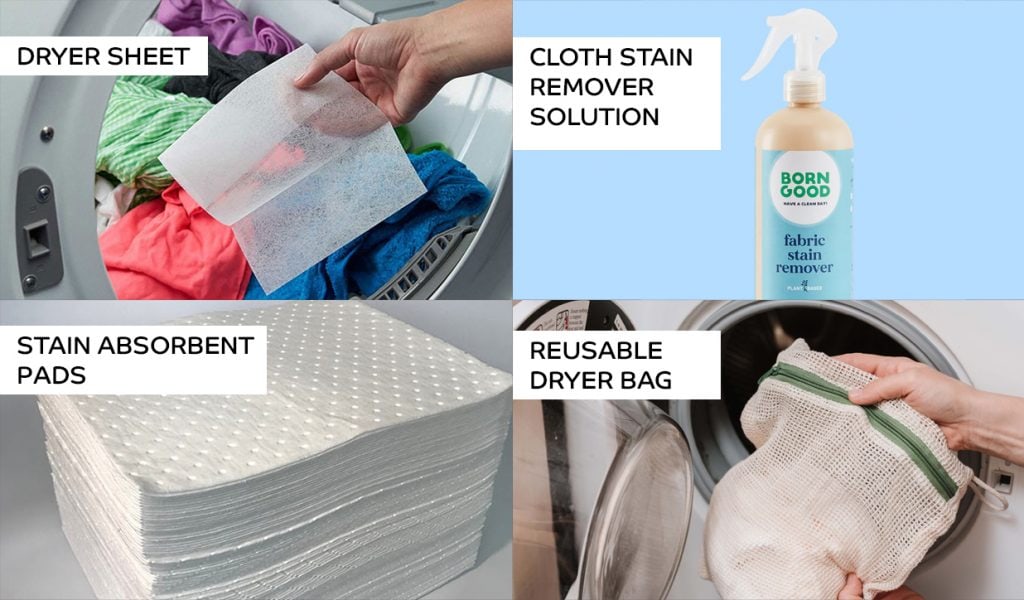
- A garment steamer, which is great for freshening up and removing light wrinkles
- Clean white towels for blotting and drying
- A mesh laundry bag if you plan to use a washing machine
- A drying rack or a flat surface for air-drying
You can find most of these items at your local grocery store, department store, or online. I bought my first dry cleaning kit on a whim, and it turned out to be one of the best purchases I ever made. It is a great starting point if you are new to this.
Step-by-Step Guide: How to Dry Clean at Home
Doing dry cleaning at home is easier than you might think. Once you get the hang of it, it becomes second nature. Here is my step-by-step process that I have refined over the years.
Step 1: Check the Care Label
Before you do anything, look at the care label on your garment. It will tell you if the item is truly dry-clean-only or if it can be hand-washed. Some labels say "dry clean recommended," which means you can try at-home methods, but others say "dry clean only," which means you need to be extra careful. I always test a small hidden area first, like the inside seam, to make sure the fabric reacts well to my cleaning method.
Step 2: Spot Treat Stains
If there are any visible stains, treat them first. I use the stain remover pen from my dry cleaning kit or a tiny bit of gentle detergent. Gently dab the stain with a clean cloth, working from the outside in to avoid spreading it. Do not rub too hard, especially on delicate fabrics like silk. Let the stain remover sit for a few minutes before moving on.
Step 3: Choose Your Cleaning Method
Now, pick the cleaning method that best fits the fabric and the level of dirt. Here are my three go-to methods:
- For light freshening, use a garment steamer. Hang the item, steam it for a few minutes, and let it air out. This works great for suits, dresses, and blouses that are not heavily soiled.
- For hand-washing, fill a basin with cool water and a small amount of delicate detergent. Submerge the garment, gently swish it around, and let it soak for about 10 minutes. Do not wring or twist the fabric. Instead, press the water out gently.
- For a dry cleaning kit, place the item in the included bag with the cleaning cloth, add the solution, and toss it in the dryer on a low heat setting for about 15 minutes. The heat activates the cleaner and freshens the fabric.
Step 4: Dry the Garment Properly
After cleaning, it is important to dry your clothes the right way. Never put dry-clean-only items in a hot dryer, as this can cause shrinkage or damage. Instead, lay the garment flat on a clean towel, roll it up to absorb excess water, then reshape it and let it air-dry on a drying rack. I usually let my clothes dry overnight so they are ready to wear the next day.
Step 5: Steam or Iron for a Polished Look
Once the item is dry, you might notice a few wrinkles. A quick steam will smooth them out and give your clothes a fresh, crisp look. If you do not have a steamer, you can use an iron on the lowest heat setting with a pressing cloth between the iron and the fabric. I prefer steaming because it is gentler and less likely to cause shine or scorch marks.

Common Mistakes to Avoid When Dry Cleaning at Home
I have made my fair share of mistakes over the years, so let me save you the trouble. Here are some pitfalls to watch out for.
- Skipping the care label. Always check it first to avoid ruining your clothes.
- Using hot water. It can cause shrinkage, color bleeding, and damage to delicate fibers.
- Wringing or twisting wet clothes. This can stretch the fabric and leave it misshapen.
- Using too much detergent. A little goes a long way, and excess soap can leave a residue.
- Putting items in a hot dryer. Heat is the enemy of dry-clean-only fabrics. Always air-dry.
- Ignoring stains. The longer a stain sits, the harder it is to remove. Treat stains as soon as you can.
I learned the hard way that not all fabrics react the same way. My first attempt at hand-washing a wool sweater did not go well because I used warm water. Now, I always use cool water and handle my knits with extra care.
Which Fabrics Are Safe for Dry Cleaning at Home?
Not every fabric is suited for at-home dry cleaning, so it is important to know which ones you can safely clean yourself. Here is a quick guide based on my experience.
- Silk: Hand-wash with a gentle detergent or use a dry cleaning kit. Avoid wringing.
- Wool: Hand-wash in cool water with a wool-safe detergent. Lay flat to dry.
- Rayon: Hand-wash gently and air-dry. It can be delicate, so handle with care.
- Linen: Hand-wash or use a dry cleaning kit. Iron while slightly damp for best results.
- Polyester: Usually safe for a dry cleaning kit or gentle hand-washing.
- Velvet and suede: Best left to the pros, as these can be tricky to clean without special tools.
If you are unsure, always test a small area first or consult a professional. I have a few pieces that I still take to the dry cleaner because they are too delicate or valuable to risk.
:max_bytes(150000):strip_icc()/how-to-dry-clean-at-home-5076182-09-70bff67815c140ad9976733c5da093dd.jpg)
Tips and Tricks for Better Results
Over time, I have picked up a few tricks that make dry cleaning at home even easier and more effective.
- Use a fabric softener sheet in your closet to keep clothes smelling fresh between cleanings.
- Air out garments after wearing them instead of cleaning them every time. This reduces wear and tear.
- Store clothes in breathable garment bags to protect them from dust and moisture.
- For tough odors, add a few drops of essential oil to your steam water for a fresh scent.
- Clean your steamer regularly to avoid mineral buildup that can stain clothes.
These small habits have helped me keep my wardrobe in great shape without a lot of extra effort.
Frequently Asked Questions
Is it safe to dry clean all clothes at home?
No, some fabrics like velvet, suede, or heavily beaded items are best left to professional dry cleaners. Always check the care label and test a small area before cleaning delicate items at home.
How often should I dry clean my clothes at home?
It depends on how often you wear the item and how dirty it gets. For most clothes, cleaning them every few wears or when they are visibly soiled is enough. Over-cleaning can wear out the fabric.
Can I use a regular detergent for dry cleaning at home?
It is best to use a detergent made for delicates or a dry cleaning kit solution. Regular detergents can be too harsh and may damage sensitive fabrics.
Will dry cleaning at home remove tough stains?
It can handle light to moderate stains, but for tough or set-in stains, you may need a professional. Pre-treating stains as soon as possible gives you the best chance of removing them at home.
Is dry cleaning at home cheaper than going to a cleaner?
Yes, doing it yourself can save you a lot of money over time. A single at-home cleaning costs just a few dollars, while professional dry cleaning can cost $5 or more per item.
Conclusion
Dry cleaning at home is a practical, affordable, and effective way to care for your delicate clothes. With a few basic supplies and the right techniques, you can keep your wardrobe looking fresh without ever leaving your house. Whether you choose a dry cleaning kit, hand-washing, or steaming, the key is to be gentle, follow the care labels, and avoid common mistakes like using hot water or harsh detergents. Start with a simple item, get comfortable with the process, and you will be surprised at how easy it is. Give it a try today, and you might never look at the dry cleaner the same way again. If you have any questions or tips of your own, feel free to share them in the comments below.