What Is A Dental Cleaning: What To Expect And Benefits
A dental cleaning is a professional cleaning of plaque and tartar to protect your gums.
If you have ever wondered what is a dental cleaning, you are in the right place. I have helped thousands of patients understand what is a dental cleaning, why it matters, and how to make it easy. This guide breaks it down in plain language, with practical tips you can use today.
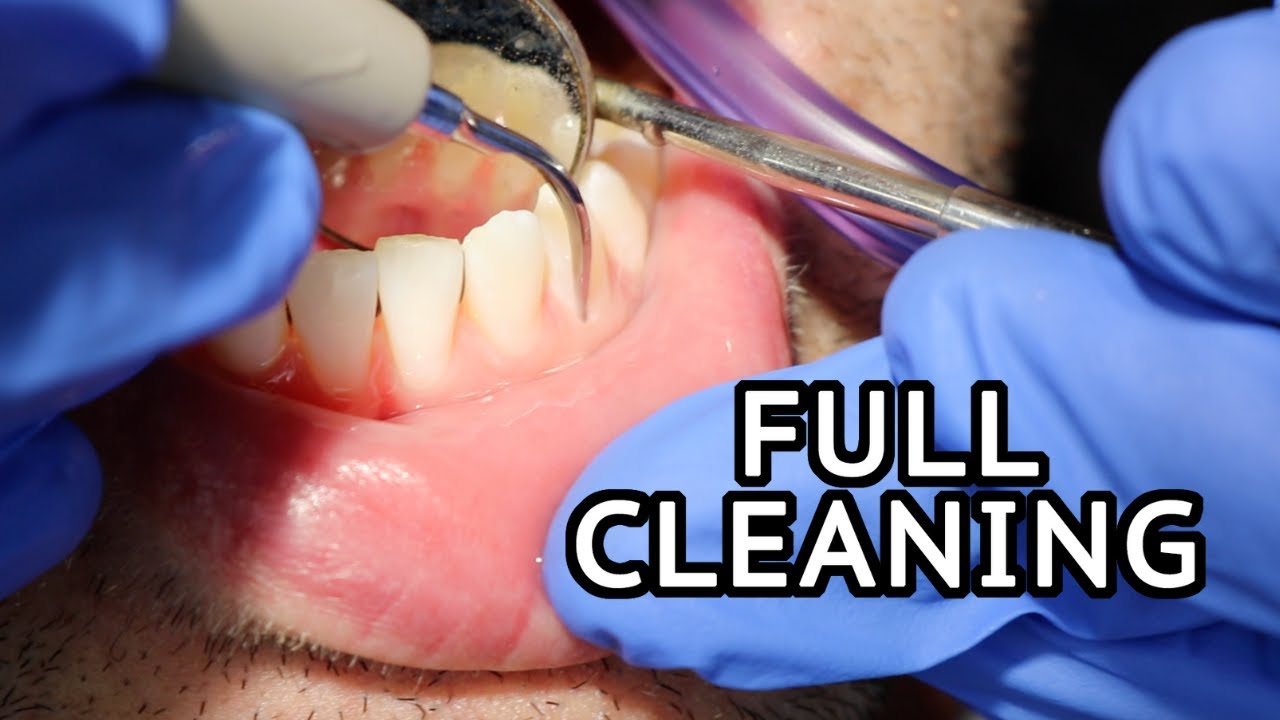
What is a dental cleaning?
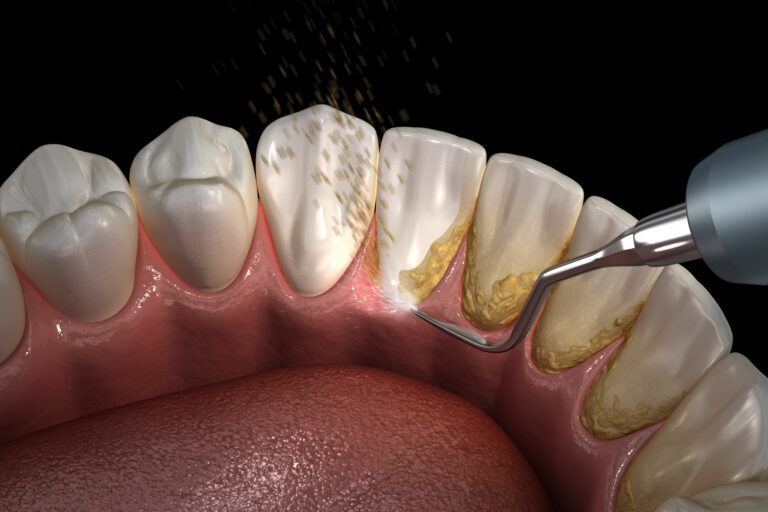
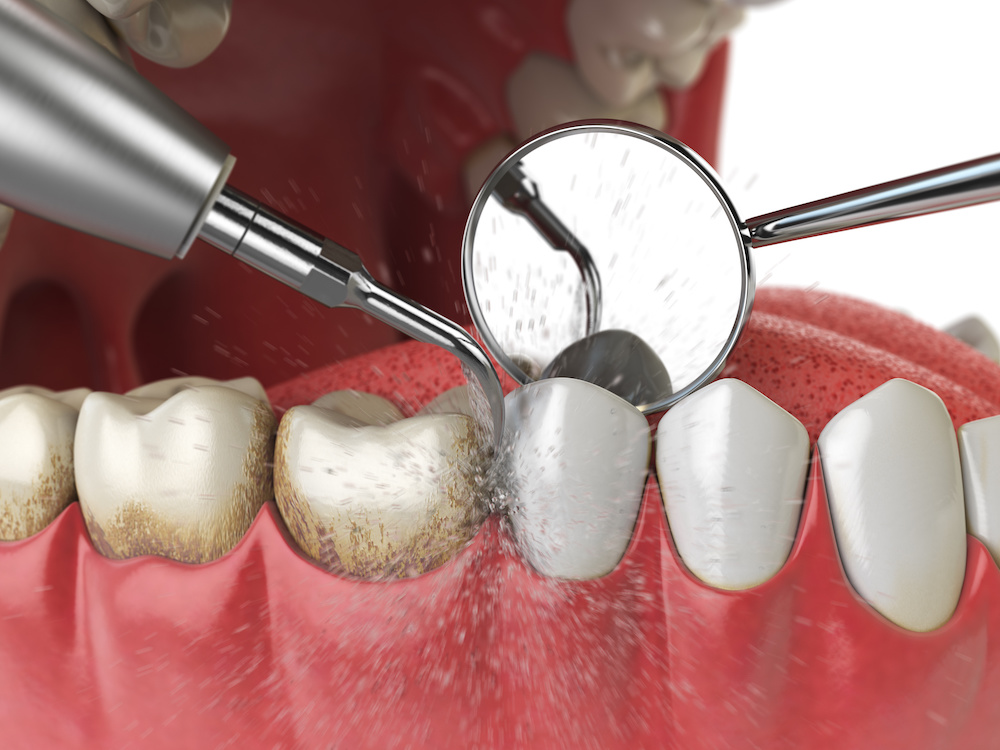
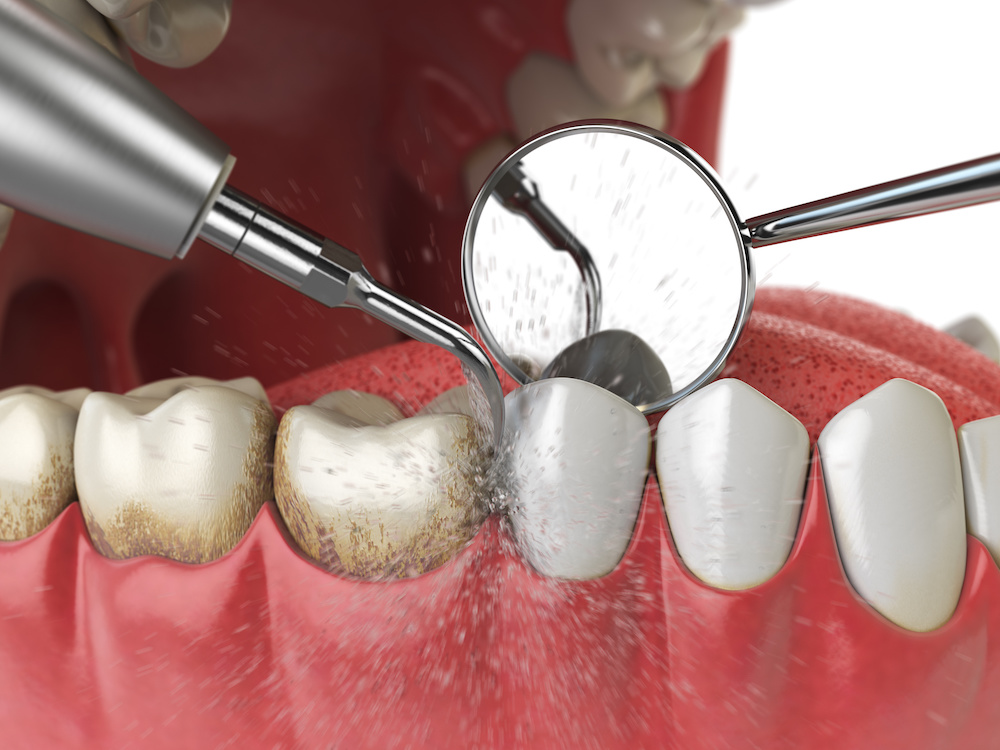
A dental cleaning is a professional visit where a hygienist or dentist removes plaque, tartar, and stains from your teeth and gumline. It is different from brushing at home. Plaque is soft and sticky. Tartar is hard and stuck like barnacles. Only a trained pro can remove tartar safely.
If you are asking what is a dental cleaning, think of it like a tune-up for your mouth. It helps prevent gum disease, tooth decay, and bad breath. It also lets your dental team spot early signs of problems, like cavities or oral cancer.
People often type what is a dental cleaning when they want to know if it hurts. Most cleanings are gentle and quick. You may feel pressure or scraping, but it should not be painful. If your gums are sore or inflamed, tell your provider. They can use numbing gel and softer tools.
When patients ask me what is a dental cleaning, I remind them it is also a risk check. We look at habits, health history, and daily care. That way, you get a plan that fits your life.

Types of dental cleanings
Not all cleanings are the same. The right type depends on your gums, tartar, and medical history.
Prophylaxis (routine cleaning)
This is the standard cleaning for healthy gums. It removes plaque and tartar above the gums. Most adults get this every six months, or as advised.
Scaling and root planing (deep cleaning)
This is for gum disease. It removes buildup below the gums and smooths root surfaces. It may need numbing and is done in sections.
Periodontal maintenance
This is ongoing care after gum disease treatment. It manages bacteria and keeps pockets from getting deeper. Visits are often every three to four months.
Debridement for heavy buildup
This first visit clears heavy tartar so a full exam is possible. A second visit completes a thorough cleaning.
Kids and teens
This focuses on education, gentle scaling, polish, and fluoride. It helps build good habits early.
If you came here wondering what is a dental cleaning for different needs, this section shows how your plan can change over time.
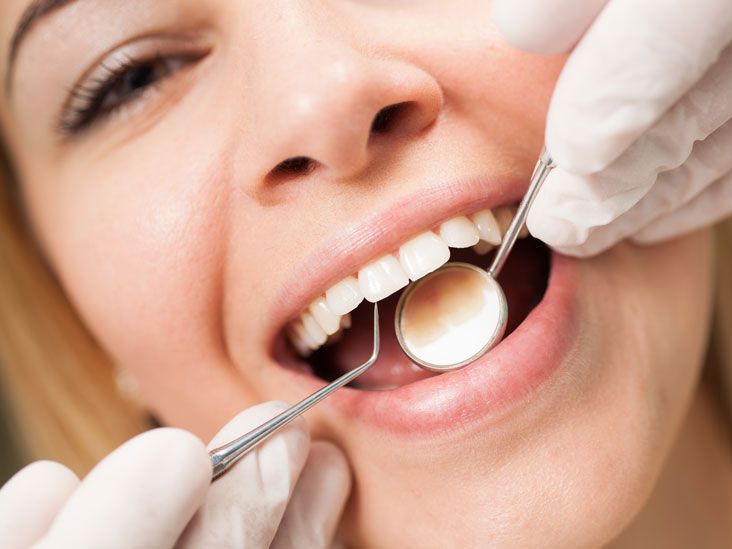
What happens during a dental cleaning visit
Here is the simple step-by-step flow most patients experience.
- Check-in and health review Your team asks about meds, allergies, and changes in health. This guides safe care.
- X-rays if needed These help spot decay, bone loss, and infections you cannot see.
- Gum exam We measure pocket depths and note bleeding or recession. This tells us your gum health level.
- Plaque and tartar removal We use ultrasonic tools and hand scalers to break up buildup above and below the gums.
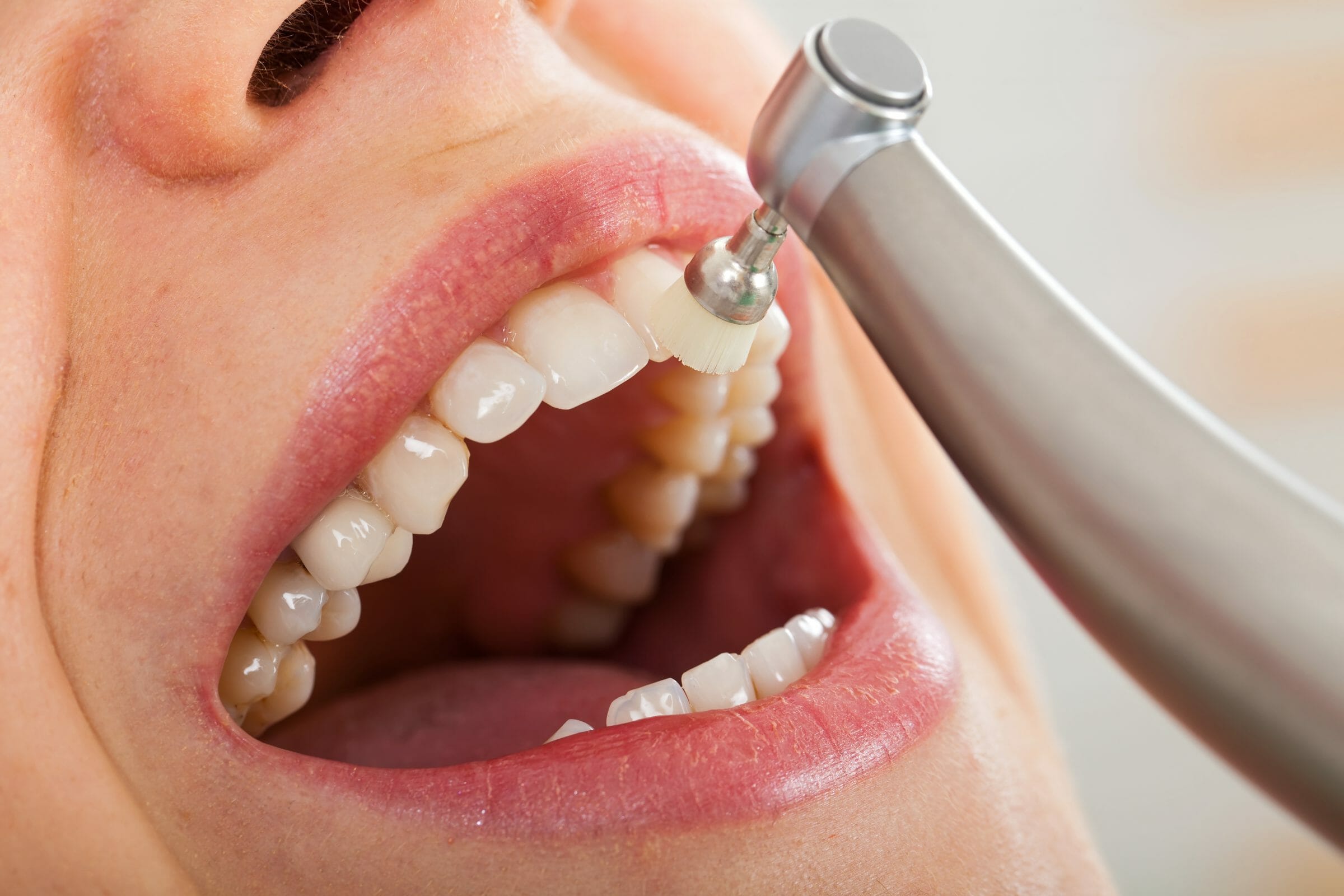
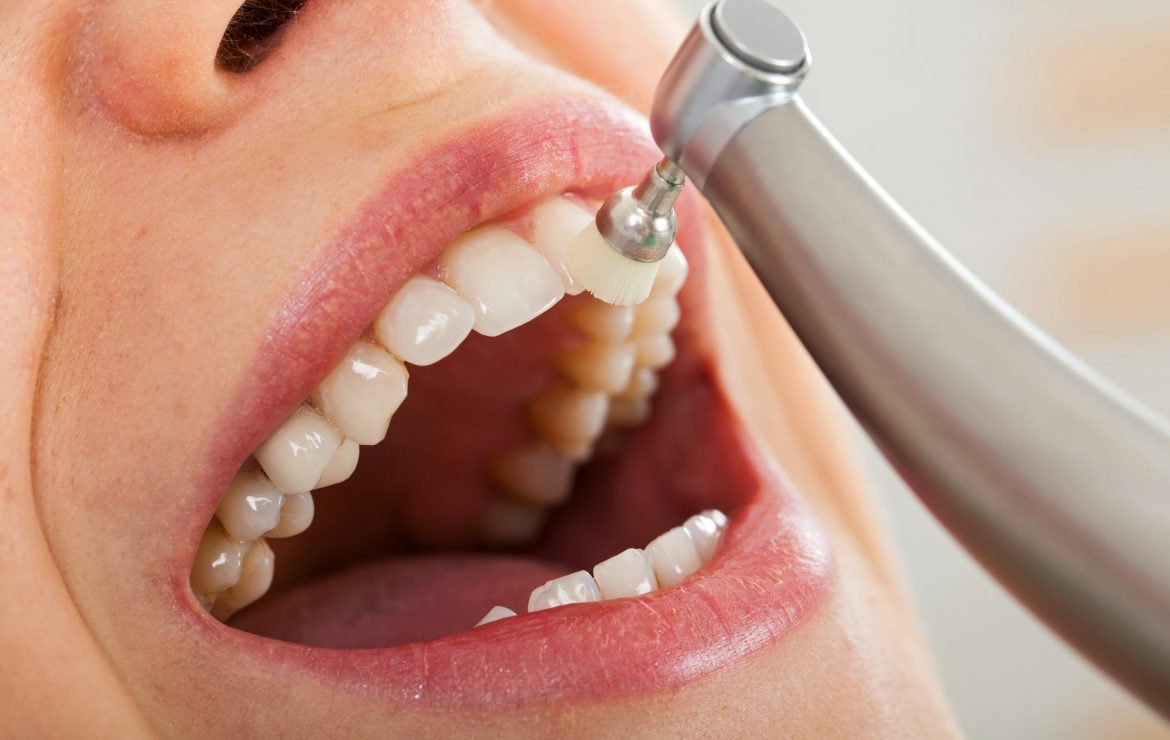
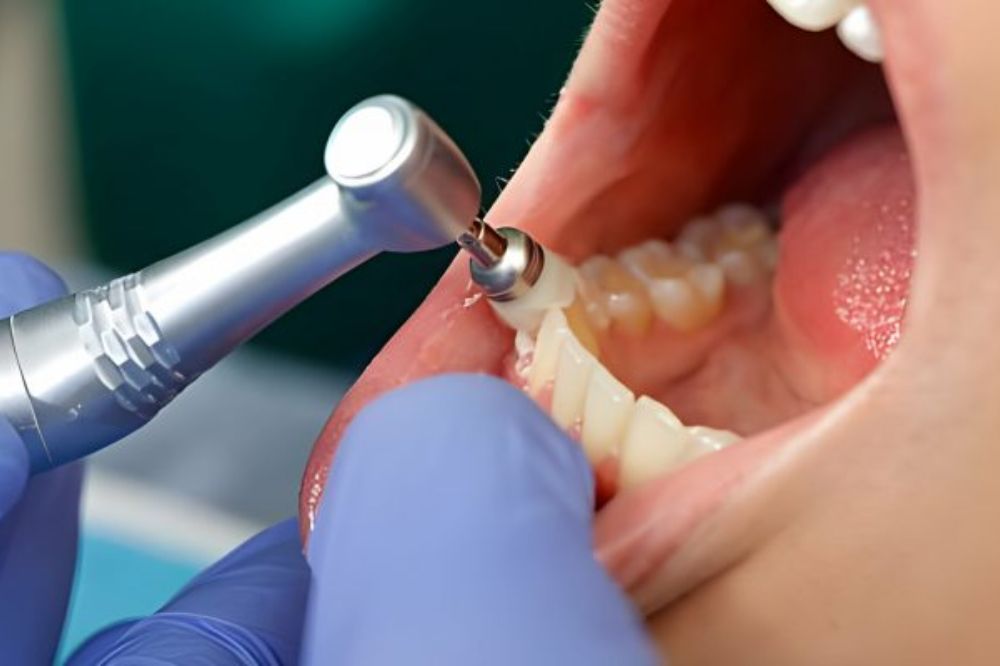
- Polishing We polish to remove surface stains and smooth the enamel.
- Flossing We clean between teeth and show you how to floss better at home.
- Fluoride treatment if needed This helps make enamel stronger and fight early decay.
- Results and home plan We explain what we found and set your next visit date.
Many people discover what is a dental cleaning only when they see how thorough it is. The whole visit often takes 30 to 60 minutes for a routine cleaning.
Benefits you can expect
A professional cleaning gives real health gains you can feel and see.
- Healthier gums It reduces bleeding, swelling, and pocket depth.
- Lower cavity risk Removing plaque lowers acid and decay risk.
- Fresher breath Cleaning bacteria helps with chronic bad breath.
- Brighter smile Surface stains from coffee or tea get polished away.
- Early detection Your team can spot problems before they hurt or cost more.
- Whole-body support Gum health links to diabetes and heart health. Cleaner gums can help control inflammation.
If you ever asked what is a dental cleaning good for beyond teeth, the answer is simple. It supports your whole health.
Risks, myths, and limitations
Cleanings are very safe. Still, it helps to know what to expect.
- Temporary sensitivity Teeth or gums may feel tender for a day or two. A soft brush and warm salt water help.
- Enamel worries Tools do not scratch enamel when used by a pro. They remove buildup, not tooth structure.
- Bleeding Bleeding means your gums are inflamed. It often improves after a cleaning and better home care.
- Pregnancy safety Routine cleanings are safe during pregnancy. Good gum care helps both parent and baby.
- Antibiotics Rarely needed. Some heart or joint conditions may need them. Share your medical history.
A common myth is that cleanings loosen teeth. The truth is the tartar was holding loose, diseased gums down. Removing it lets the area heal. If you searched what is a dental cleaning and feared harm, know that proper cleanings protect teeth.
Cost, frequency, and at-home care
Cost varies by location and needs. Typical ranges in the US:
- Routine cleaning Without insurance, many offices charge about 75 to 200 dollars.
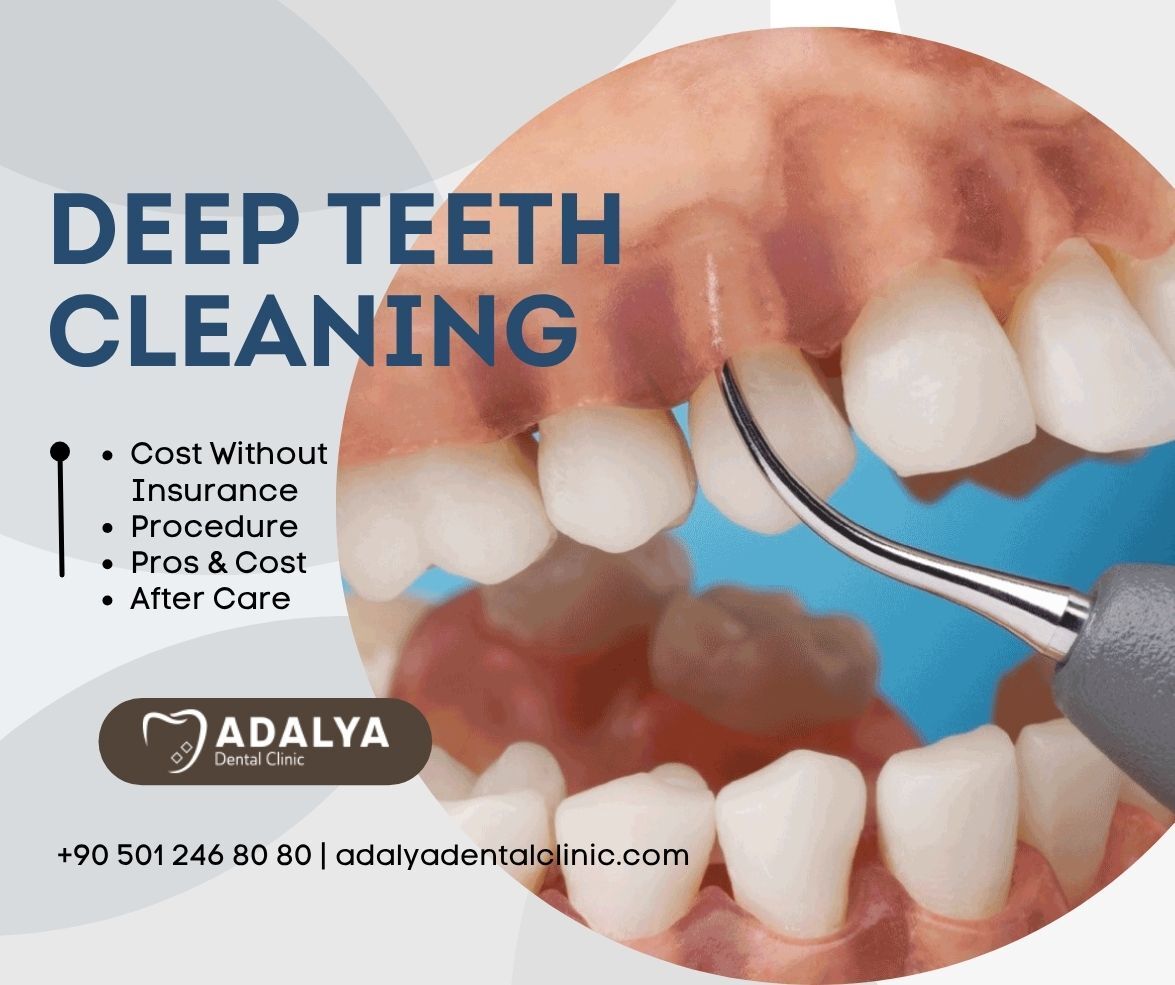
- Deep cleaning Often billed by quadrant, about 150 to 400 dollars per quadrant.
- Periodontal maintenance Often 90 to 200 dollars per visit.
Insurance often covers two routine cleanings a year. For gum disease, plans vary. Ask your provider to explain your benefits in plain terms.
How often should you go? Many adults do well with every six months. People with gum disease, braces, dry mouth, or smoking may need every three to four months. If your question is what is a dental cleaning schedule for me, your gum measurements and risk factors guide that choice.
Home care matters most between visits.
- Brush for two minutes, twice a day Use a soft brush and fluoride toothpaste.
- Clean between teeth daily Use floss, picks, or interdental brushes.
- Rinse if needed Alcohol-free mouthwash can help with gum health.
- Clean your tongue A tongue scraper can cut down odor.
- Watch your diet Limit sugar and frequent snacking. Drink water.
- Quit smoking This helps gums heal and cuts stain and odor.
How to choose a provider and prepare
Picking the right team makes visits easier.
- Look for experience and reviews Choose a dentist and hygienist with strong patient feedback and clear education.
- Ask about tools Modern offices use ultrasonic scalers, digital X-rays, and gentle polishing.
- Share your story Tell them if you feel anxious, have pain, or had bad past visits.
- Plan for comfort Ask about music, numbing gel, breaks, and seating.
- Bring your list Bring meds, allergies, and your top questions.
One practical tip from years in the chair: schedule morning visits if you feel nervous. Your energy is higher, and the office is calmer. If you still wonder what is a dental cleaning like for anxious patients, know that a caring team can tailor each step to you.
Frequently Asked Questions of what is a dental cleaning
How long does a dental cleaning take?
A routine cleaning usually takes 30 to 60 minutes. Deep cleaning can need two visits of 45 to 90 minutes each.
Does a dental cleaning hurt?
Most people feel pressure and light scraping, not pain. If your gums are sore, ask for numbing gel or short breaks.
What is the difference between a cleaning and a deep cleaning?
A routine cleaning removes buildup above the gumline. A deep cleaning goes below the gums and smooths roots to treat gum disease.
Is a dental cleaning safe during pregnancy?
Yes, routine cleanings are safe and recommended. Tell your provider you are pregnant so they can adjust X-rays and positioning.
Can a dental cleaning whiten my teeth?
It removes surface stains from coffee, tea, and smoke. For deeper color change, ask about whitening treatments.
How often should I get a dental cleaning?
Most adults do well with every six months. If you have gum disease or higher risk, you may need visits every three to four months.
What should I do after a cleaning?
Skip very hot or very cold drinks if teeth feel sensitive. Brush gently that night and return to normal care the next day.
Conclusion
A dental cleaning is a simple visit with big payoff. It removes plaque and tartar, protects your gums, and helps catch small issues early. If you came here asking what is a dental cleaning, now you know what happens, why it matters, and how to make it smooth.
Use the tips above to plan your next visit, improve your daily care, and feel good about your smile. Ready to take the next step? Book your cleaning, share this guide with a friend, and subscribe for more easy, expert oral health tips.