What Do You Call a Person Who Cleans Your Teeth in 2026
We've all been there, sitting in the dentist's chair for that regular cleaning appointment. You know, the one where someone makes your teeth feel super smooth and checks for any potential issues. You might wonder what that specific professional is called.
That skilled practitioner who focuses on your cleanings and overall oral health is known as a Dental Hygienist. To be precise, as of 2026, hygienists in the U.S. must complete specific accredited dental hygiene programs and pass rigorous licensure exams, ensuring they meet national standards for patient care.
Quick Answer: Dental Hygienist
The person who cleans your teeth is called a Dental Hygienist. They are licensed professionals trained in preventative oral healthcare. Their role includes cleaning teeth, assessing oral health, and educating patients.
Core Explanation: What a Dental Hygienist Does
A Dental Hygienist is a licensed healthcare professional specializing in preventing and treating oral diseases. They work closely with dentists, performing crucial tasks that keep your mouth healthy between dentist appointments. Think of them as your oral health coach, providing both the "hands-on" cleaning and the vital "how-to" advice for your daily care.
Their training covers anatomy, physiology, dental pharmacology, and the specific techniques needed for effective preventative procedures.
Professional Cleanings Explained
This is probably what you know them best for. Professional cleanings, also called prophylaxis, are essential for removing plaque and tartar that brushing and flossing at home can't quite tackle. Tartar, also known as calculus, is hardened plaque that can lead to serious gum problems.
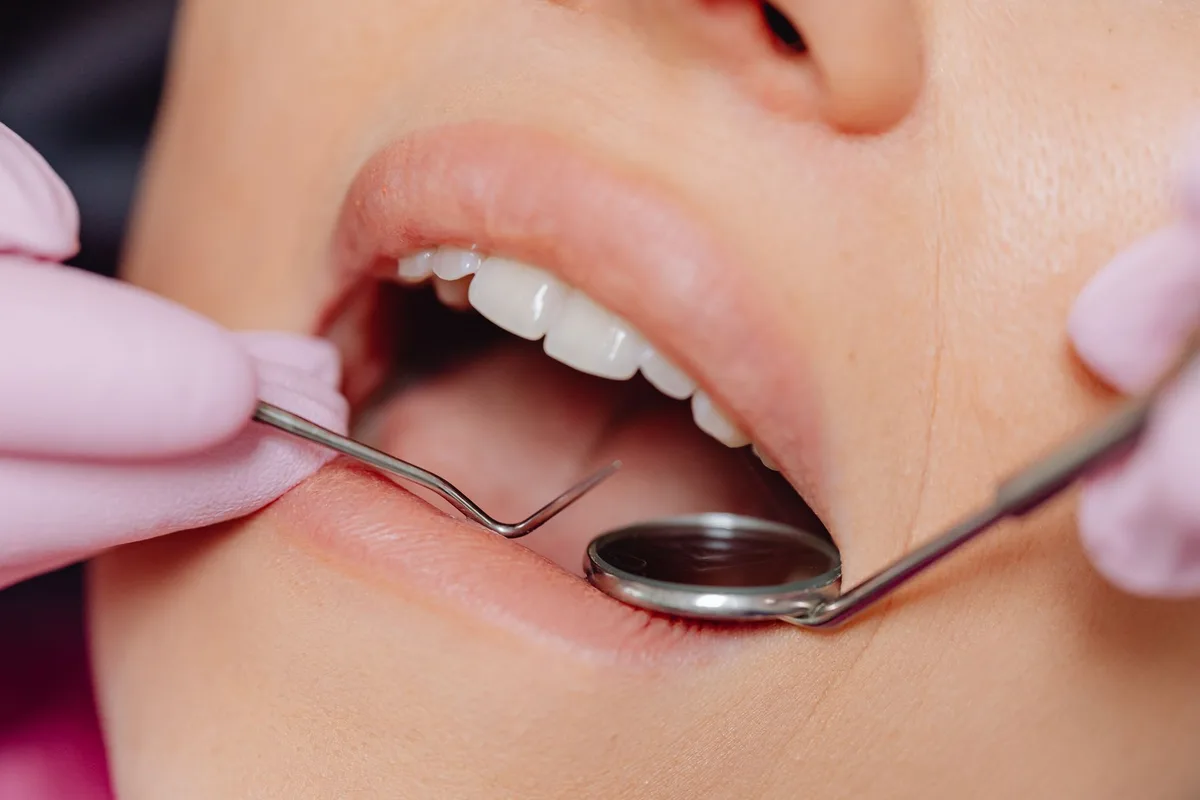
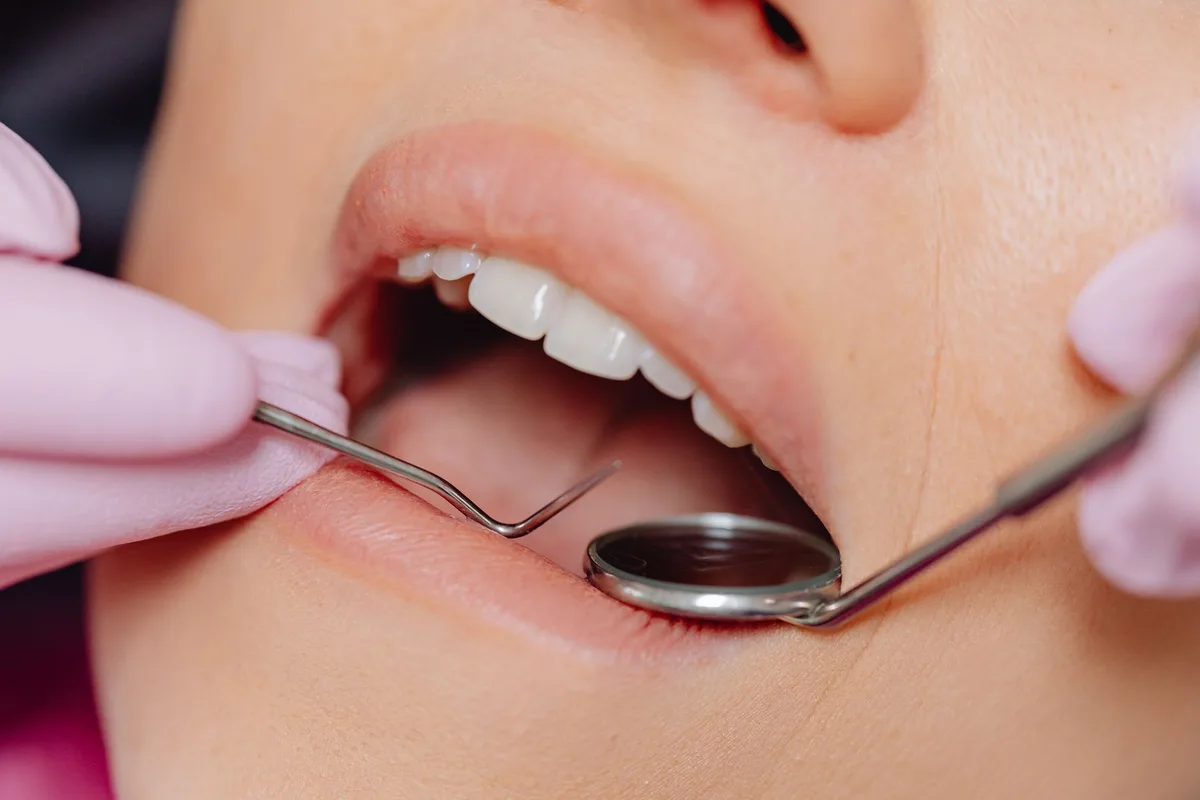
Hygienists use specialized instruments, scraping gently but effectively to remove these deposits from all surfaces of your teeth, both above and below the gum line. This process not only makes your teeth feel incredibly clean but is a fundamental step in preventing cavities and gum disease.
Oral Health Assessments and Beyond
Beyond just cleaning, hygienists are trained to conduct thorough oral health assessments. They'll examine your gums for signs of inflammation or infection, check for cavities, look at your tongue, and even screen for early indicators of oral cancer. This proactive approach is critical because many dental issues can start subtly and become more severe if not caught early.
By spotting problems like gingivitis or early-stage periodontitis, hygienists can recommend timely interventions, often preventing more complex and costly treatments down the line.
The Role of Patient Education
This is perhaps one of the most impactful parts of a hygienist's job. They don't just clean your teeth; they teach you how to keep them clean and healthy every single day. They’ll demonstrate proper brushing techniques, recommend specific types of floss or interdental cleaners, and discuss how your diet can affect your oral health.
For instance, they might explain how sugary drinks feed the bacteria that cause decay or how a diet rich in certain vitamins can support gum health. Personalized advice is key, making sure you have the right tools and knowledge for your specific needs.
Key Responsibilities of a Dental Hygienist
A Dental Hygienist’s scope of practice is broad, focusing heavily on preventative care and patient education. Their expertise ensures that issues are addressed before they become major problems for your overall health.
Plaque and Tartar Removal
This is the bread and butter of their work. Plaque is a sticky film of bacteria that constantly forms on your teeth. If it's not removed effectively, it can harden into tartar, which is much harder to get rid of and irritates your gums, leading to inflammation.
Hygienists use ultrasonic scalers and hand instruments to meticulously remove both plaque and tartar from all tooth surfaces, including those hard-to-reach spots between teeth and along the gum line. This thorough removal is non-negotiable for preventing decay and gum disease.
Applying Preventative Treatments Like Fluoride
Hygienists are also key providers of preventative treatments. Fluoride, when applied professionally, can significantly strengthen tooth enamel, making it more resistant to acid attacks from plaque bacteria and sugars. They might apply fluoride varnishes or gels, ensuring even coverage.
They also often place dental sealants. These are thin, protective coatings applied to the chewing surfaces of back teeth (molars and premolars) to prevent cavities by sealing grooves and pits where food particles and bacteria can get trapped.
Taking Dental X-rays
To get a complete picture of your oral health, hygienists often take dental X-rays. These images allow dentists and hygienists to see what’s happening beneath the surface of the teeth and gums, revealing issues like:
- Cavities between teeth or under existing fillings.
- Bone loss due to gum disease.
- Impacted teeth (like wisdom teeth).
- Abscesses or cysts.
The frequency of X-rays depends on your individual risk factors for dental problems, as determined by the dentist and hygienist.
Why Professional Qualifications Matter in Dental Hygiene
The title "Dental Hygienist" isn't just a casual term; it signifies a highly trained and regulated professional. In the United States, for example, aspiring hygienists must complete an accredited Associate's or Bachelor's degree program in Dental Hygiene. Following graduation, they must pass both a national written examination and a clinical board examination administered by the state in which they wish to practice.
This dual credentialing process, which aligns with standards set by organizations like the American Dental Association (ADA), ensures that practitioners possess the necessary knowledge and practical skills to perform their duties safely and effectively. As of 2026, these strict requirements have remained a cornerstone of patient protection in the field.
Dental Hygienist vs. Dental Assistant: Understanding the Difference
It's a common point of confusion, but there's a clear distinction between a Dental Hygienist and a Dental Assistant. While both are vital members of the dental team and support patient care, their responsibilities and required training differ significantly.
- Dental Hygienist: As we've discussed, their primary focus is on preventative care. They are trained and licensed to perform dental cleanings, administer treatments, assess oral health, take X-rays, and educate patients. Their role is clinical and diagnostic to a degree, centered on maintaining oral health and preventing disease.
- Dental Assistant: Dental Assistants work under the direct supervision of a dentist and provide a range of supportive duties. This can include preparing patients for treatment, sterilizing instruments, handing instruments to the dentist during procedures, taking impressions, and managing patient records. They often have specialized training but do not typically perform the independent clinical procedures of a hygienist.
Think of it this way: a hygienist is like the specialist focused on keeping your mouth healthy through cleaning and prevention, while an assistant is like the essential support system making sure the dentist's procedures run smoothly.
When to See Your Dental Hygienist
Your dental hygienist is a key part of your ongoing oral health strategy. You'll typically see them on a regular, scheduled basis to maintain good hygiene and catch potential problems early.
During Routine Check-ups
The most common time you'll interact with your dental hygienist is during your regular dental check-up, which is generally recommended every six months. Even if you're diligent with your at-home oral care routine, plaque and tartar can still build up in areas that are difficult to reach. The hygienist performs a thorough cleaning to remove this buildup, polishes your teeth for a smooth finish, and checks for any immediate signs of decay or gum issues.
This routine maintenance is crucial for preventing long-term dental problems.
For Specific Oral Health Concerns
Beyond routine visits, you might see your hygienist more frequently or for specialized care if you have specific oral health concerns. This can include:
- Gum Disease: If you have gingivitis or periodontitis, your hygienist will likely recommend more frequent cleanings (e.g., every three to four months) to manage the inflammation and prevent further damage to the bone supporting your teeth.
- Orthodontic Treatment: While undergoing braces or aligner treatment, specialized cleaning techniques might be necessary to ensure proper hygiene around the orthodontic appliances.
- Pregnancy: Hormonal changes during pregnancy can sometimes lead to increased gum sensitivity or swelling. Your hygienist can provide tailored advice and cleaning during this period.
- Specific Medical Conditions: Certain medical conditions (like diabetes or autoimmune diseases) can affect oral health, prompting more regular visits to the hygienist.
Your dentist or hygienist will advise you on the optimal schedule based on your individual health needs.
Common Oral Health Problems Dental Hygienists Help Prevent
Dental hygienists play a pivotal role in preventing common oral health issues before they escalate. Their work focuses on proactive measures that safeguard your teeth and gums from daily wear and tear, as well as the damaging effects of bacteria. Understanding these common problems can highlight why a hygienist's expertise is so vital.
Cavities
Cavities, also known as tooth decay or dental caries, are holes that form in your teeth. They’re caused by bacteria in your mouth producing acids that attack the tooth enamel. While brushing and flossing at home are your first line of defense, professional cleaning removes the plaque and tartar that harbors these bacteria.
Hygienists can also apply preventative treatments like fluoride or sealants that further fortify your teeth against decay.
Gum Disease
Gum disease, or periodontal disease, is an infection that affects the tissues supporting your teeth. It starts as gingivitis, characterized by red, swollen gums that may bleed easily. If left untreated, it can progress to periodontitis, a more severe form that damages the bone and connective tissues holding teeth in place.
Hygienists are trained to diagnose and treat gingivitis and manage periodontitis by thoroughly cleaning below the gum line and educating patients on meticulous home care practices.
Expert Tips for Maintaining Oral Hygiene Between Visits
Keeping your mouth healthy between dental appointments is a team effort. Your dental hygienist will provide personalized advice, but here are some general expert recommendations that consistently contribute to excellent oral hygiene. Adhering to these can make a significant difference in your oral health outcomes.
- Brush Twice Daily: Use a soft-bristled toothbrush and fluoride toothpaste. Spend at least two minutes each time, making sure to brush all surfaces of your teeth, your gum line, and your tongue. Consider an electric toothbrush if you find manual brushing challenging; aggregate user reviews indicate they can be more effective at plaque removal for many individuals.
- Floss Daily: Flossing removes food particles and plaque from between your teeth and under the gum line, areas your toothbrush can't reach. If traditional floss is difficult, explore options like dental picks, water flossers, or interdental brushes.
- Rinse with Mouthwash (Optional but Helpful): An antimicrobial or fluoride mouthwash can provide an extra layer of protection. Ask your hygienist if a specific type is recommended for your needs.
- Watch Your Diet: Limit sugary snacks and acidic beverages. These contribute to acid attacks on your enamel. Opt for water, milk, and tooth-friendly foods like raw vegetables and fruits.
- Avoid Tobacco: Smoking and tobacco use significantly increase your risk of gum disease and oral cancer. If you use tobacco, seeking support to quit is one of the best things you can do for your oral and overall health.
- Replace Your Toothbrush: As a general guideline from dental associations, replace your toothbrush every three to four months, or sooner if the bristles become frayed. A worn-out brush is less effective.
What Is Tartar, and Why Is It a Problem?
Tartar, scientifically known as dental calculus, is essentially hardened plaque. Plaque is a colorless, sticky film of bacteria that constantly forms on your teeth. When plaque isn't removed effectively through brushing and flossing, minerals from your saliva can deposit into it, causing it to harden.
This hardened plaque is tartar.
Tartar buildup is problematic for a few key reasons. First, it's rough and porous, providing more surface area for new plaque to adhere to, creating a vicious cycle. Second, it traps bacteria that produce acids and toxins.
These toxins irritate your gums, leading to inflammation and bleeding, the first stage of gum disease known as gingivitis. Tartar can also accumulate below the gum line, creating pockets where bacteria thrive and can eventually lead to periodontitis, damaging the bone that supports your teeth.
How Tartar Differs from Plaque
It’s useful to distinguish between plaque and tartar because they require different removal methods.
| Feature | Plaque | Tartar (Calculus) |
|---|---|---|
| Composition | Sticky film of bacteria, food particles | Hardened plaque with mineral deposits |
| Appearance | White or off-white, fuzzy | Yellowish, brown, or even grey |
| Texture | Soft, easily removed by brushing/flossing | Hard, rough, firmly attached to teeth |
| Removal | Removed with brushing and flossing | Requires professional tools (scaling) |
| Location | All tooth surfaces, especially near gums | Commonly near gum lines, between teeth |
Why Home Care Can't Remove Tartar
While a diligent home care routine can effectively prevent plaque from hardening into tartar, it cannot remove tartar once it has formed. The hardened nature of calculus means it requires specialized dental instruments. Dental hygienists use ultrasonic scalers that vibrate to break up the tartar, and fine hand instruments to meticulously scrape away any remaining deposits, ensuring a smooth tooth surface.
This professional removal is essential for maintaining gum health and preventing the progression of periodontal disease.
The Role of Fluoride in Preventing Tooth Decay
Fluoride is a mineral that plays a critical role in strengthening teeth and preventing cavities. It's naturally found in water sources and soil, and it's a common ingredient in toothpaste and mouthwashes. Dental hygienists often administer professional fluoride treatments as a key part of preventative care.
Fluoride works in two main ways to protect your teeth. First, it integrates into the tooth enamel structure, making it harder and more resistant to acids produced by bacteria in the mouth. This process is called remineralization, it actually helps to repair the enamel on a microscopic level.
Second, when a fluoride rinse or toothpaste is used, the fluoride ions in your saliva can impede the bacteria's ability to produce acid. This dual action makes fluoride a powerful tool against tooth decay.
Professional Fluoride Treatments
Professional fluoride treatments, often applied by a dental hygienist, are typically more concentrated than what's found in over-the-counter products. These treatments can come in various forms, such as gels, foams, or varnishes.
- Fluoride Varnish: This is a highly concentrated form applied with a brush. It sticks to the teeth for a longer period, allowing for sustained release of fluoride. Patients are often advised to avoid brushing or eating hard foods for several hours after application to maximize its benefit.
- Fluoride Gel/Foam: These are often applied using trays that are custom-fitted to your mouth. The trays hold the gel or foam against your teeth for a few minutes.
These treatments are generally considered safe and highly effective for individuals at higher risk of cavities, including children and adults with a history of decay or dry mouth.
Dental Sealants: A Protective Shield for Your Teeth
Dental sealants are thin, protective plastic coatings that are applied to the chewing surfaces of back teeth. Their primary purpose is to prevent cavities by creating a smooth barrier over the grooves and pits of molars and premolars. These areas are naturally prone to trapping food particles and bacteria, making them prime spots for decay.
The application of sealants is a quick and painless procedure typically performed by a dental hygienist. First, the tooth surface is thoroughly cleaned and dried. Then, a mild etching solution is applied to roughen the enamel slightly, creating a surface for the sealant to bond to.
After rinsing and drying again, the liquid sealant material is painted onto the tooth. A special curing light is then used to harden the sealant quickly. Once hardened, the sealant acts as a physical shield, preventing plaque and food from getting trapped in the tooth’s vulnerable fissures.
Data from the Centers for Disease Control and Prevention (CDC) has shown that sealants can reduce the risk of decay on molars by nearly 80%.
Frequently Asked Questions
Can anyone call themselves a teeth cleaner?
No, the professional who cleans your teeth as part of routine dental care is a licensed Dental Hygienist. This title signifies specific education and training.
Do dental hygienists perform fillings?
Typically, no. Dental Hygienists focus on preventative care like cleanings and education. Filling cavities is usually performed by a Dentist.
How often should I see a dental hygienist?
Most people should see a dental hygienist for a cleaning and check-up every six months. Your hygienist or dentist can recommend a different schedule based on your oral health needs.
Is a dental hygienist a doctor?
A Dental Hygienist is a licensed healthcare professional, but they are not a Dentist or a medical doctor. They have specialized training in oral hygiene and preventative care.
What if I have sensitive teeth during a cleaning?
If you have sensitive teeth, inform your dental hygienist before they start. They can use desensitizing agents or adjust their techniques to make the cleaning more comfortable for you.