What Does Office Cleaning Services Include: Explained Simply
Figuring out what office cleaning services include can feel like a guessing game if you haven't hired them before. Offices need regular attention to stay welcoming and healthy, but not every cleaning company offers the same package. Understanding the core services and common add-ons is key to getting the right help for your workspace.
In our research on commercial cleaning, we found that most services provide a standard set of tasks aimed at daily upkeep. According to industry best practices, regular cleaning can significantly reduce airborne contaminants, as highlighted by guidelines from the Environmental Protection Agency (EPA) concerning indoor air quality. These services aim to create a safe and productive environment.
Quick Answer
Office cleaning services typically include trash removal, surface dusting and disinfection, floor cleaning, and restroom sanitation. Many also offer optional services like deep cleaning, carpet shampooing, and window washing. As of 2026, the specific scope depends on the customized plan developed with your chosen provider, aligning with industry standards for commercial hygiene.
Core Cleaning Services You Can Expect
Most commercial cleaning contracts cover the essential tasks needed to maintain a baseline level of cleanliness and hygiene. These are the bread and butter services that form the foundation of any office cleaning plan. Think of them as the non-negotiables for a functional workspace.

- Trash and Recycling Removal: This involves emptying all waste and recycling bins from individual offices, common areas, kitchens, and restrooms. The collected materials are then taken to a designated disposal area.
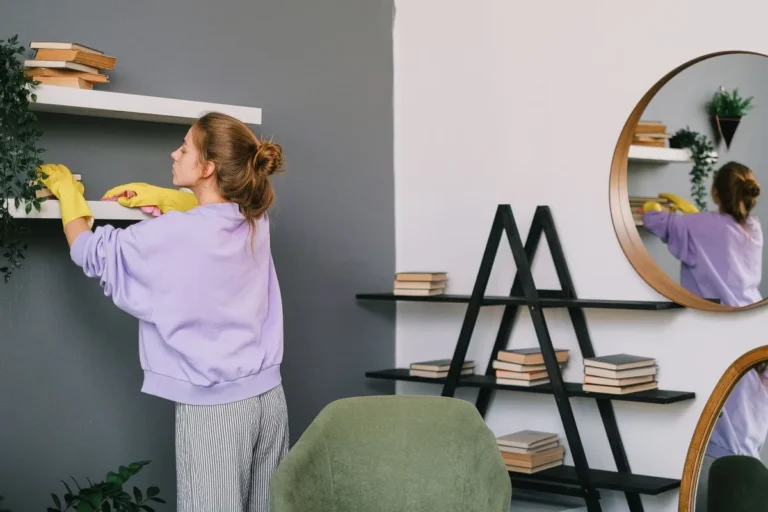
- Surface Dusting and Wiping: High-touch surfaces, desks, tables, chairs, and other furniture are dusted and wiped down. This removes visible dust and grime, contributing to a cleaner appearance and better air quality.
- Floor Care: For hard floors, this typically means sweeping and mopping. For carpeted areas, it involves regular vacuuming to remove dust, dirt, and debris that gets tracked in.
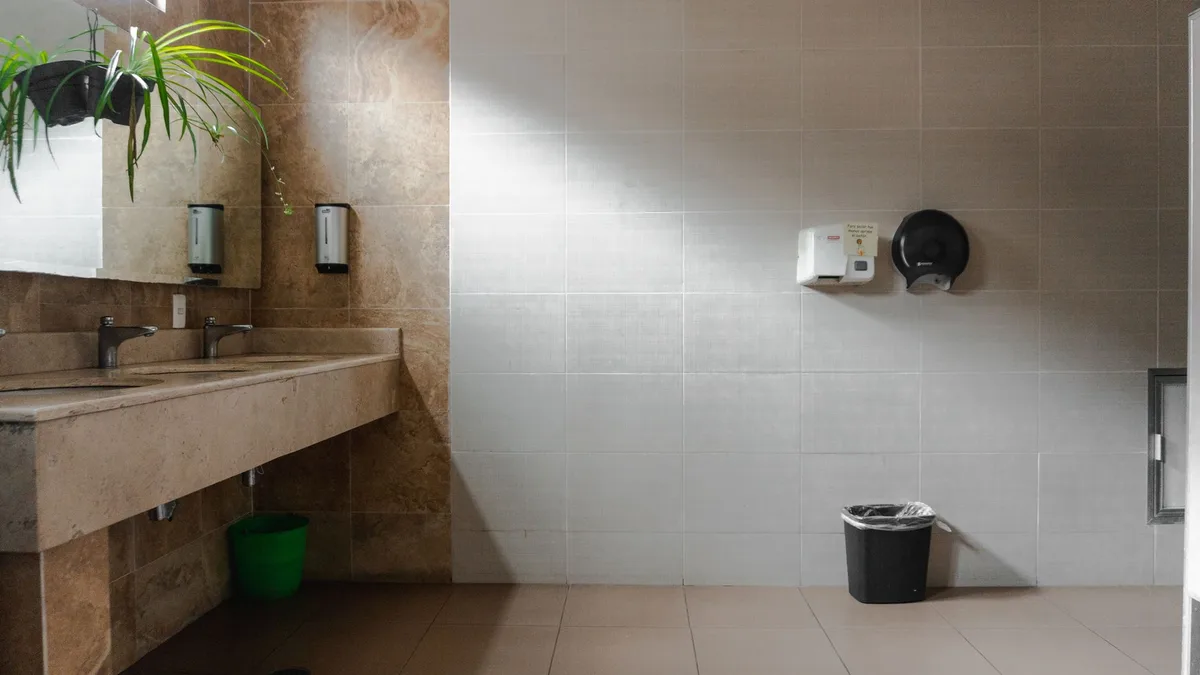
- Restroom Sanitation: Restrooms receive thorough cleaning and disinfection. This includes toilets, sinks, countertops, mirrors, and floors, along with restocking essential supplies like toilet paper, paper towels, and soap.
- Kitchen and Break Room Cleaning: Countertops, sinks, appliance exteriors (like microwaves and coffee makers), and tables in break areas are cleaned and disinfected to ensure a sanitary space for employees.
These core services are foundational for any office, ensuring day-to-day tidiness and basic hygiene.
Beyond the Basics: What Else Gets Cleaned?
While the core services keep things running smoothly, many offices require more specialized attention to tackle specific areas or deeper cleaning needs. These tasks often go beyond the standard daily or weekly routine and can be crucial for maintaining a healthy and impressive workspace.
Consider your office's unique environment. A busy reception area or a shared break room might benefit from more frequent attention than a private executive office. For instance, a law firm might prioritize discreet yet thorough cleaning of client-facing areas, while a tech startup might focus on breakrooms and collaborative spaces.
The depth of cleaning can also vary. Some services might just wipe down surfaces, while others engage in more detailed cleaning protocols. It's important to clarify the scope to avoid misunderstandings.
Specialty Cleaning Add-Ons
Moving beyond the essential upkeep, specialty cleaning offers a way to target specific needs or elevate your office's cleanliness. These services can be added to a regular cleaning schedule or performed periodically for a more thorough refresh. They address areas that might not be covered by a standard package, or require specific equipment and expertise.
- Deep Cleaning: This is a more intensive cleaning that goes beyond surface-level tasks. It might include cleaning inside cabinets, dusting light fixtures, detailing entryways, or scrubbing baseboards. It's ideal for an initial clean to get your space up to par, or as a periodic service (monthly or quarterly) for a comprehensive refresh.
- Carpet Cleaning and Shampooing: Regular vacuuming helps, but over time, carpets can accumulate deep-seated dirt, stains, and allergens. Professional carpet cleaning uses specialized equipment and solutions to extract this grime and revitalize the carpet fibers.
- Window Washing: Sparkling windows can make a huge difference to the ambiance of an office. This service usually includes cleaning both the interior and exterior glass surfaces, frames, and sills.
- Upholstery Cleaning: Office furniture like chairs, sofas, and cubicle partitions can absorb odors and collect dust. Professional upholstery cleaning can restore their appearance and improve air quality.
- Floor Buffing and Polishing: For hard floors such as tile, linoleum, or vinyl, buffing and polishing can restore shine, remove scuff marks, and protect the surface. This is particularly useful for high-traffic areas that see a lot of wear.
- Disinfection Services: In environments where health is paramount, specialized disinfection services are available. These go beyond basic cleaning to kill germs, bacteria, and viruses on surfaces using EPA-approved disinfectants and often employing techniques like electrostatic spraying for thorough coverage.
These add-ons allow you to tailor cleaning to your specific operational demands and priorities.
Deep Cleaning vs. Regular Maintenance
Understanding the difference between deep cleaning and regular maintenance is crucial for budgeting and scheduling. Regular maintenance is what keeps your office looking good on a day-to-day basis, while deep cleaning is a more intensive reset. Think of it like taking care of your car: regular oil changes are maintenance; a full engine overhaul is a deep clean.
Regular maintenance typically includes the core services we've discussed: emptying trash, vacuuming, wiping down surfaces, and sanitizing restrooms. It’s about preventing buildup and maintaining a consistent standard. These tasks are usually performed daily, multiple times a week, or weekly, depending on your contract.
Deep cleaning, on the other hand, targets areas that are not part of the daily routine. It’s about getting into the nooks and crannies. This might involve cleaning light fixtures, washing interior doors, scrubbing grout lines in tile, cleaning behind appliances, or even detailing ventilation grates.
| Aspect | Regular Maintenance | Deep Cleaning |
|---|---|---|
| Frequency | Daily, multiple times per week, weekly | Monthly, quarterly, semi-annually, or as needed |
| Scope | High-traffic areas, visible surfaces, daily trash | All areas, including often-missed spots, crevices, and detailed elements |
| Purpose | Maintain a consistent level of cleanliness | Thoroughly sanitize, remove stubborn grime, and refresh the space |
| Examples | Vacuuming, trash removal, surface wiping | Cleaning inside cabinets, behind appliances, washing baseboards, dusting vents |
Choosing the right balance depends on your office's usage, industry regulations, and desired level of ambiance.
Understanding Your Office's Unique Needs
What does office cleaning services include really boils down to what your specific office requires. A one-size-fits-all approach rarely works because offices vary so much in size, industry, and daily activity. Taking stock of your particular environment is the first step to a successful cleaning plan.
Consider the types of activities that happen in your office. Are clients frequently visiting your reception and meeting rooms? If so, maintaining a polished and welcoming appearance there should be a top priority.
Employee-focused areas like break rooms and restrooms also need consistent attention to promote health and comfort.
The visual cues in your space also matter. Are there many windows that need keeping clean for natural light? Do you have high-gloss floors that show every scuff mark?
Identifying these elements helps you communicate your priorities to a cleaning service.
How Traffic & Industry Impact Cleaning Choices
The volume of people moving through your office, or your industry's specific requirements, heavily influences the intensity and type of cleaning needed. A bustling ad agency with constant client meetings will have different cleaning needs than a quiet research lab.
For example, industries that handle sensitive materials or operate under strict health regulations, like medical offices or certain manufacturing facilities, will require cleaning protocols that go beyond simple aesthetics. These environments often need meticulous disinfection and sanitization to prevent cross-contamination and adhere to compliance standards, such as those overseen by the Occupational Safety and Health Administration (OSHA) for workplace safety.
High-traffic areas, such as lobbies, hallways, and common kitchens, are prone to quicker dirt accumulation and germ spread. In these zones, more frequent vacuuming, mopping, and disinfecting might be necessary. Conversely, private offices might require less frequent, but still thorough, attention.
Think about a busy call center versus a small accounting firm. The cleaning demands differ significantly. Knowing these distinctions helps you tailor a service plan that’s both effective and cost-efficient.
Identifying Your Office's Cleaning Pain Points
Every office has its quirks and problem areas that regular cleaning might not fully address. Pinpointing these pain points is essential for directing cleaning efforts and ensuring you're getting the most value from your service. It's about addressing the issues that actually impact your employees and clients.
Common pain points include persistent odors in break rooms, scuff marks on walls or floors that never seem to disappear, or high-touch surfaces that feel perpetually grimy. Perhaps your restrooms feel less than sanitary, or dust seems to gather too quickly on surfaces, affecting air quality. These issues can detract from a professional appearance and employee well-being.
Making the Right Choice: Building Your Cleaning Plan
Once you’ve identified your needs and pain points, the next step is to assemble a cleaning plan that fits. This isn’t about picking from a generic list; it's about crafting a strategy with your service provider. A well-defined plan ensures you get precisely the services you require without paying for extras you don't.
Think of it as designing a custom suit. You wouldn't expect a standard size to fit everyone perfectly. Similarly, your office’s cleaning needs are unique, and the plan should reflect that.
This involves a detailed discussion with potential cleaning companies about your space, your priorities, and your budget.
Customizing Services for Your Budget
Budget is always a consideration, and thankfully, office cleaning services can be highly customizable to fit various financial constraints. The key is to prioritize what matters most and understand where you might be able to scale back if necessary. Not every aspect of a commercial cleaning package needs to be premium.
For instance, if your primary concern is a healthy environment, focus your budget on enhanced disinfection protocols and frequent restroom sanitization. If maintaining a pristine appearance is paramount, invest more in daily surface cleaning and floor care. You might opt for less frequent deep cleaning services or fewer specialty add-ons to manage costs.
A good cleaning company will work with you to propose a plan that aligns with your financial limits while still addressing your essential needs. It’s often a process of trade-offs, but transparency and clear communication are vital.
Common Mistakes When Hiring Office Cleaning
Even with the best intentions, mistakes can happen when you’re looking for office cleaning services. These errors can lead to frustration, wasted money, and a space that isn’t as clean as you'd hoped. Being aware of these pitfalls can help you avoid them and secure a reliable cleaning partner.
One of the most frequent mistakes is not clearly defining what you need. Simply asking for "office cleaning" can lead to a generic service that misses your specific requirements. It’s crucial to outline your expectations upfront.
Another common issue is failing to ask for references or check reviews. You're entrusting someone with access to your business space and its contents. Verifying their track record and reputation is a vital step.
- Vague Service Agreements: Not having a detailed contract that clearly lists all services, frequency, and specific tasks can lead to disputes and unmet expectations.
- Underestimating Cleaning Needs: If your office experiences high traffic or demanding hygiene standards, opting for the lowest-cost provider might mean insufficient cleaning.
- Ignoring Insurance and Bonding: A reputable cleaning service should be insured and bonded to protect you against accidents or damages.
- Not Clarifying Supply Replenishment: Be explicit about whether cleaning supplies, paper products, and soaps are part of the service or if you need to provide them.
Avoiding these common errors helps ensure you select a service that truly meets your office’s needs.
Safety & Health Considerations in Office Cleaning
When you hire office cleaning services, safety and health are paramount. This isn't just about making the space look clean; it's about ensuring it's a genuinely healthy environment for everyone who works there or visits. The chemicals used, the methods employed, and the thoroughness of the work all play a role.
For example, proper disinfection is critical, especially in spaces with high employee density. Using EPA-approved disinfectants and ensuring they have adequate contact time on surfaces can significantly reduce the spread of viruses and bacteria. This is a key recommendation from public health organizations like the CDC for maintaining a healthy workplace.
It’s also about the safety of the cleaning staff and your employees. Cleaning professionals should be trained in the safe handling of chemicals and the use of equipment. They should also follow protocols that avoid creating slip hazards or other immediate safety risks.
- Chemical Safety: Ensure cleaning products are used according to manufacturer directions and that ventilation is adequate during and after cleaning.
- Equipment Safety: Proper use and maintenance of cleaning equipment reduce the risk of accidents.
- Cross-Contamination Prevention: Using separate cloths or cleaning tools for restrooms versus general office areas is a fundamental practice.
- Allergen Management: For offices with employees who have allergies, specialized cleaning approaches might be necessary to minimize allergens in the air and on surfaces.
A conscientious cleaning service will prioritize these safety and health aspects in their operations.
Talking to Cleaning Companies: What to Ask
Engaging with potential cleaning companies requires you to be prepared with questions. This isn't just a formality; it's your opportunity to assess their professionalism, understand their services, and ensure they're a good fit for your office. The right questions can uncover crucial details about their capabilities and approach.
Begin by asking about their standard cleaning package and the frequency of services. If you have specific needs, like disinfection protocols or floor care, inquire about how they handle those. Don't hesitate to ask about their experience with businesses similar to yours in size and industry.
Here are some questions you should definitely consider asking:
- What specific tasks are included in your standard cleaning package? (Request a detailed checklist if possible.)
- What is your policy on insurance and bonding? (Ask for proof.)
- How do you ensure the safety of your cleaning products? (Are they eco-friendly, child-safe, etc.?)
- What training do your cleaning staff receive?
- How do you handle customer feedback or complaints?
- What is your availability for your services? (And what's your policy on scheduling changes or cancellations?)
- Do you provide your own cleaning supplies and equipment? (And if so, what kind?)
- Can you provide references from current clients?