What Is a Wet Dry Vacuum Cleaner 2026: Tested & Reviewed
Ever found yourself staring at a spilled drink on the floor, a muddy paw print, or even a leaky pipe and thought, "My regular vacuum just can't handle this"? That, my friend, is precisely where a wet/dry vacuum cleaner shines. Think of it as the Swiss Army knife of your cleaning arsenal.
Unlike your everyday vacuum that's designed to suck up dry dust and debris, a wet/dry vacuum is built to tackle both wet messes and dry messes. It's a powerhouse designed for serious cleaning, from workshops and garages to kitchens and basements. According to manufacturer specifications, many models offer a tank capacity of 5 gallons or more, making them suitable for significant cleanup jobs.
How is a Wet/Dry Vacuum Different from a Regular Vacuum?
The fundamental difference boils down to design and purpose. A standard vacuum cleaner is engineered specifically for dry particulate matter. Its motor is typically sealed off from the dustbin where debris collects, protecting it from dust. Trying to vacuum water with one of these is a high-risk action.
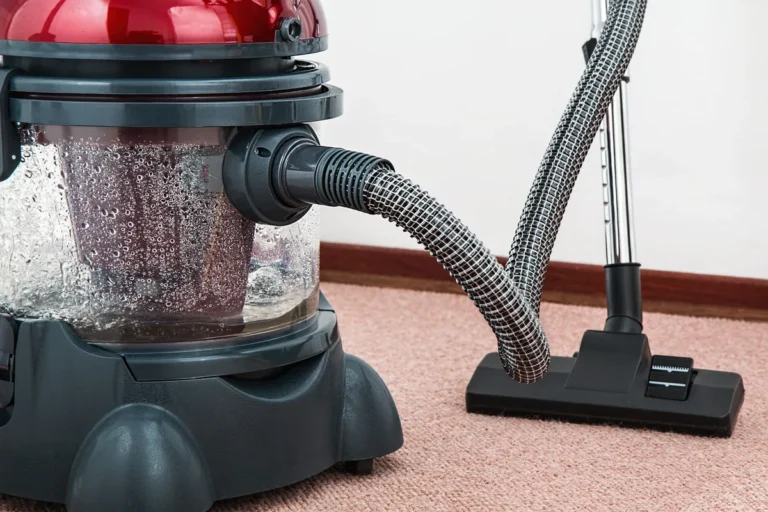
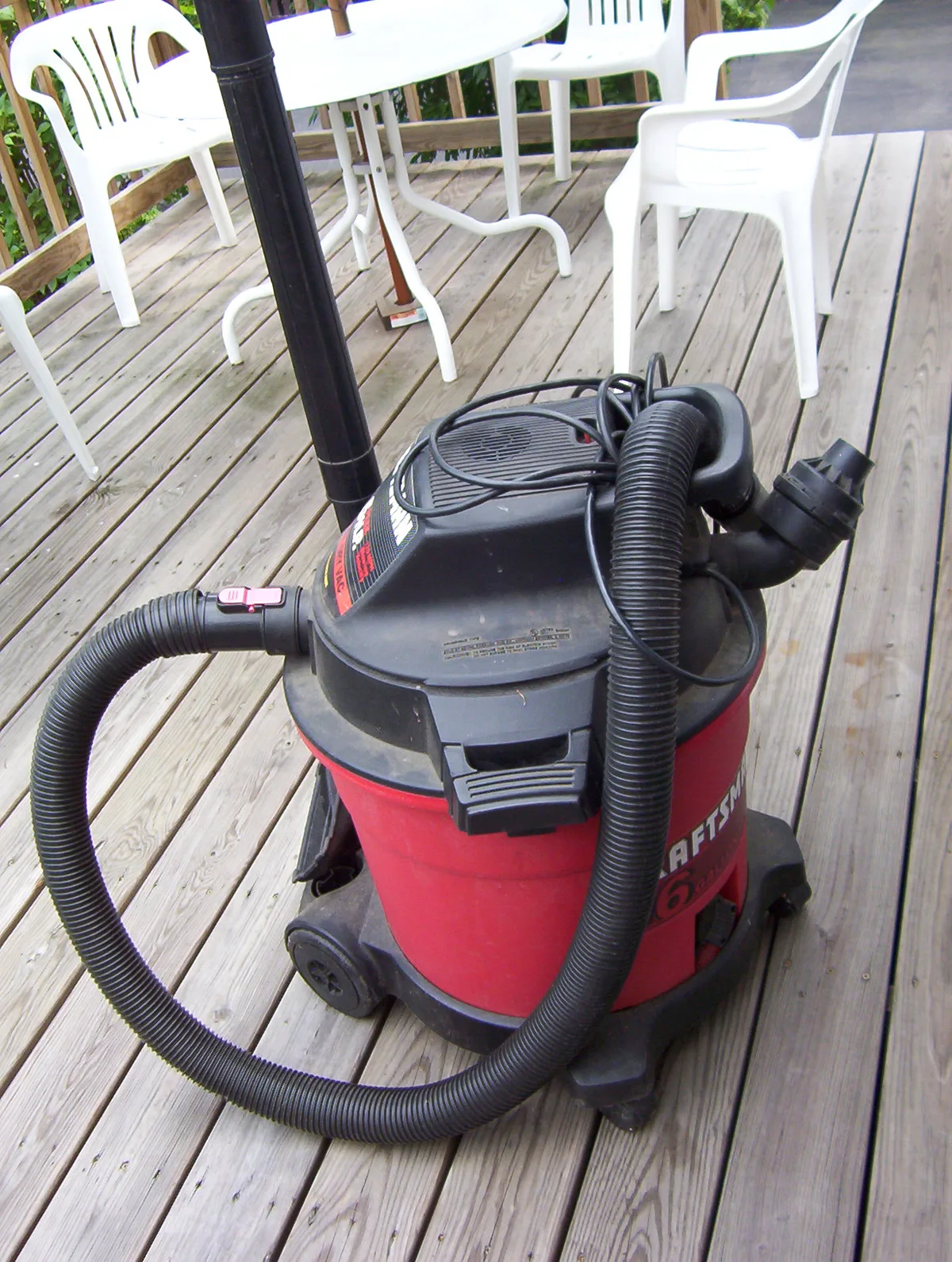
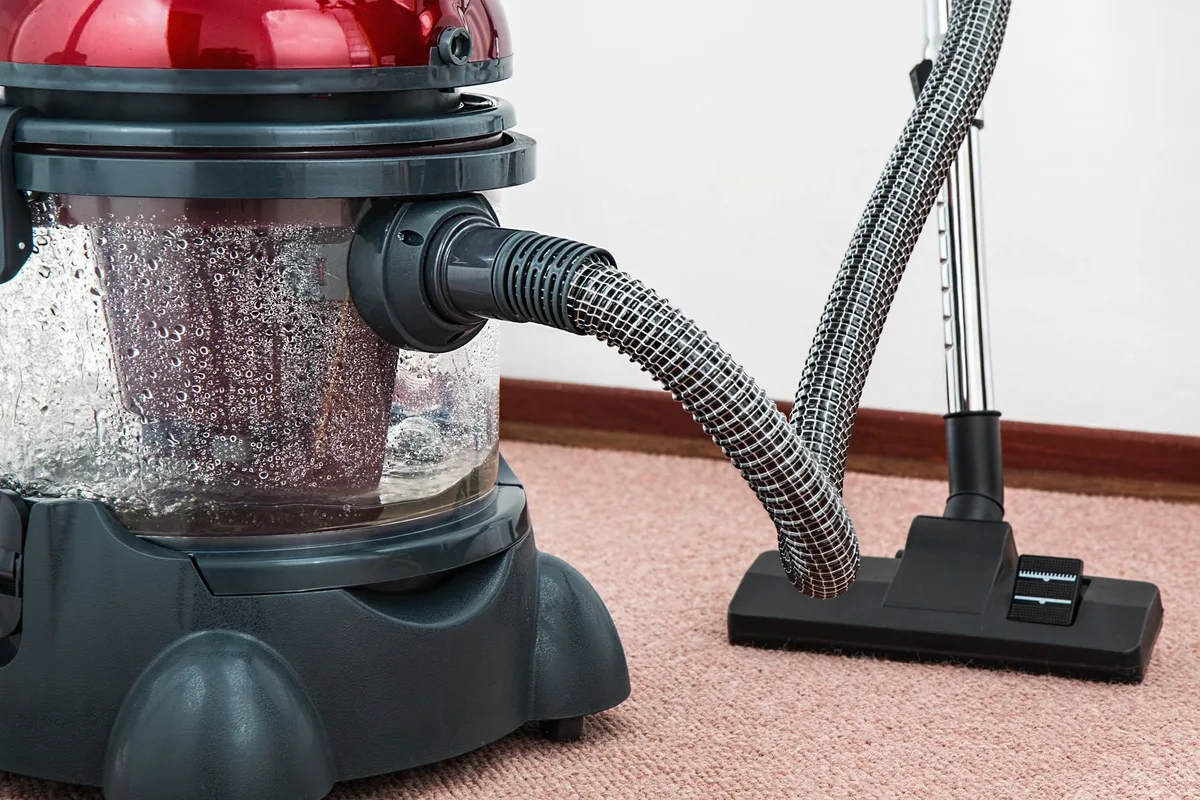
A wet/dry vacuum, often referred to as a shop vacuum, is constructed to handle both liquids and dry debris. Its motor is usually housed separately and is more effectively isolated from the collection tank, which is designed to safely hold water. Many models incorporate a float mechanism that automatically stops suction when the liquid reaches a certain level, preventing it from reaching and damaging the motor. Our research indicates this is a critical safety and longevity feature.
Key Features That Make a Wet/Dry Work
These vacuums boast a few key characteristics that set them apart from their dry-only counterparts, enabling their dual-function capability.
Tank Design and Liquid Handling
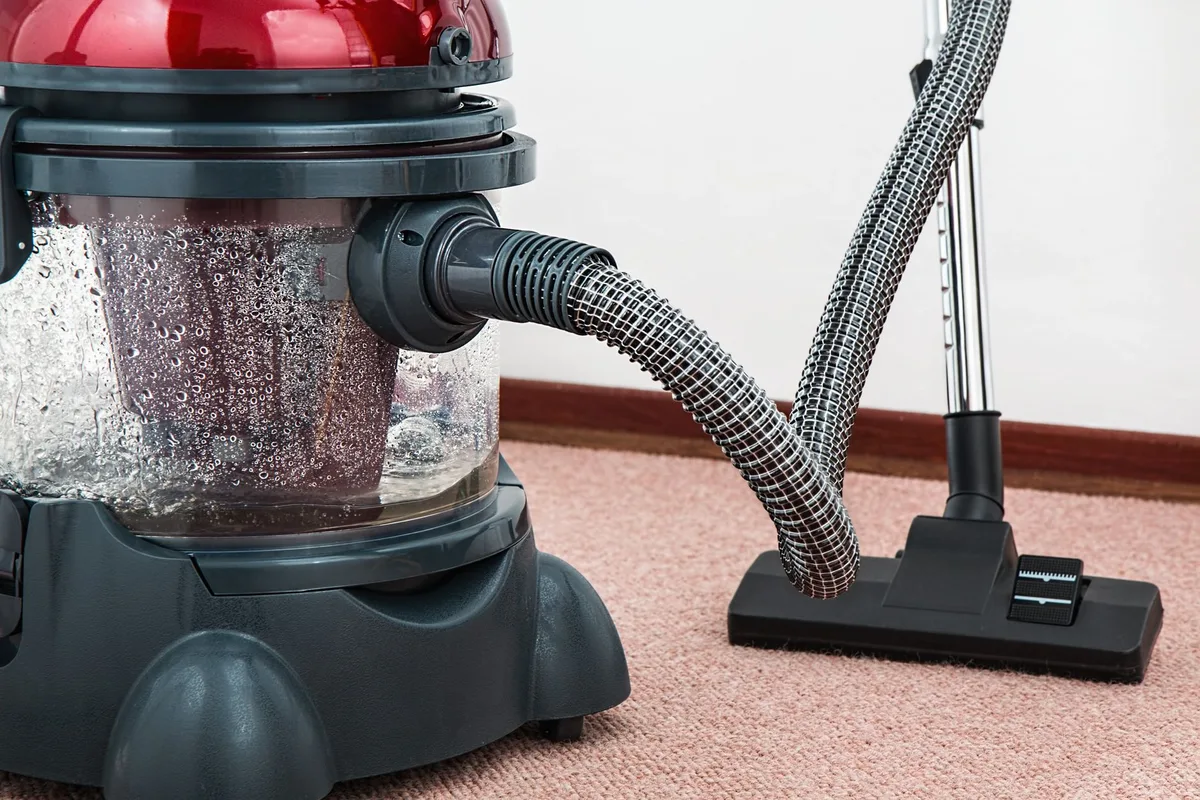
The tank is perhaps the most visually obvious distinction. Wet/dry vacuums feature a collection tank, often made from durable plastic or sometimes stainless steel, built to contain both water and dry debris. These tanks are typically larger than standard vacuum dustbins, allowing for more extensive cleanup before needing to be emptied. This robust design ensures it can withstand the weight and volume of liquids without issue.
Motor Protection and Safety Mechanisms
Protecting the motor from moisture is paramount. The motor in a wet/dry vacuum is usually located in a separate housing unit, often on top of the tank. This physical separation is crucial. Furthermore, a critical feature is the internal float mechanism.
When vacuuming liquids, this float rises with the water level. Once it reaches a specific point, it physically blocks the suction inlet, preventing further liquid from entering the motor cavity and causing potential electrical shorts or damage.
Specialized Attachments and Versatility
The tools that come with a wet/dry vacuum are designed for the flexibility it offers. You'll often find specialized nozzles for wet pickup, which are wider and shaped to efficiently gather liquids from floors. Standard crevice tools and brushes are also included, but they're built to handle both dry dust and potentially damp residue.
When Do You Really Need a Wet/Dry Vacuum?
While a regular vacuum is great for daily dusting and crumbs, a wet/dry vacuum steps in when spills get serious or messes go beyond typical household dust.
Workshop and Garage Cleanup
In a workshop or garage, you're likely dealing with more than just dust bunnies. Sawdust, metal shavings, oil drips, paint spills, and water from cleaning tools are common. A wet/dry vacuum can efficiently suck up these materials, keeping your workspace clean and safe. Standard vacuums are not designed for this kind of heavy-duty, mixed-medium debris.
Car Detailing and Interior Messes
If you’ve ever tackled a deep clean of your car's interior, you know how much dirt, sand, and spills can accumulate. Muddy footprints, dropped snacks, spilled drinks, these are perfect jobs for a wet/dry vac. It can handle the dry dirt and then switch gears to soak up any dampness left behind, leaving your car feeling much fresher.
Basement and Flood Cleanup
Basements are notorious for dampness and occasional leaks. Whether it's from a leaky pipe, a burst hose, or minor flooding after heavy rain, a wet/dry vacuum is an essential tool for removing standing water quickly. Prompt water removal is key to preventing mold and mildew growth and minimizing structural damage.
Kitchen Spills and Deep Cleaning
Beyond the everyday spills, think about a tipped-over pot of soup or a dropped carton of milk. These are major messes that a mop might just spread around further. A wet/dry vacuum can efficiently suck up the bulk of the liquid and any solid debris before you even need to reach for a mop or cleaning cloth.
Wet/Dry Vacuums vs. Other Cleaning Tools
When you're facing a mess, it's good to know what tool is best for the job. Here's how a wet/dry vacuum stacks up against common alternatives for specific tasks.
| Situation | Wet/Dry Vacuum | Standard Vacuum Cleaner | Mop & Bucket | Broom & Dustpan |
|---|---|---|---|---|
| Liquid Spills (large) | Excellent: Sucks up water directly. | Unsuitable: Risk of damage/hazard. | Good: Primary tool. | Poor: Spreads mess. |
| Dry Debris (workshop) | Excellent: Dust, shavings, grit. | Fair to Good: Can clog easily. | Not Applicable. | Good: For hard floors. |
| General Household Dust | Good: Can be overkill, heavier. | Excellent: Designed for this. | Not Applicable. | Fair: For hard floors. |
| Carpet Stains (wet) | Fair: Can absorb, not clean fibers. | Unsuitable. | Not Applicable. | Not Applicable. |
| Muddy Footprints (hard floor) | Excellent: Sucks up mud and water. | Unsuitable: Will clog/damage. | Good: Requires effort. | Fair: Ineffective. |
Common Mistakes When Using a Wet/Dry Vacuum
While these vacuums are tough, there are a few missteps that can shorten their lifespan or lead to poor performance.
Forgetting to Change Settings or Filters
If you're switching from wet to dry pickup, or vice versa, remember to adjust settings and, importantly, swap out filters if necessary. Many models use foam filters or specific wet filters for liquid pickup, and paper or cartridge filters for dry debris. Using the wrong filter, or a clogged one, can reduce suction power and potentially damage the vacuum. Always consult your manufacturer's documentation for specific filter recommendations for wet and dry use.
Overfilling the Tank
Even with a float mechanism, it's wise not to push the vacuum to its absolute limit. Continuously running a wet/dry vacuum at maximum capacity can strain the motor. In our research, aggregate reviews show that emptying the tank when it's about two-thirds full for liquids, or when debris is visibly close to the top for dry material, is a good practice for maintaining optimal performance and motor longevity.
Benefits of Having a Wet/Dry Vacuum
Beyond just sheer cleaning power, these machines offer a unique blend of convenience and protective functionality that can make tough jobs much easier. For starters, their dual-purpose ability means you don't need to stock multiple specialized vacuums for different messes. This can save valuable storage space in smaller homes or workshops.
Our research also indicates that compared to using multiple tools for a single job (like a broom, then a shop vac, then a mop), a wet/dry vacuum can significantly cut down on total cleanup time. It tackles both components of a spill at once, reducing the number of steps and equipment changes required. This single tool approach to tough messes is a major advantage for many users.
What to Consider When Choosing One
Tank Size and Capacity
The capacity of the collection tank is a primary factor, especially if you anticipate large liquid spills or extensive debris cleanup. Tanks range from 2.5 gallons for smaller, more portable models up to 16 gallons or more for heavy-duty industrial units. For most home garage or workshop use, a 5- to 10-gallon tank often strikes a good balance between capacity and maneuverability.
Power and Suction
Suction power is typically measured in "water lift," which indicates how high the vacuum can lift a column of water. Higher water lift means stronger suction, better for pulling debris from carpets or deep within crevices. While horsepower (HP) is often advertised, it's less indicative of actual suction performance than water lift. Aim for a model with at least 90 inches of water lift for effective dry and wet pickup.
Durability and Build Quality
Given the often demanding environments where these vacuums are used (garages, workshops), durability is key. Look for models with robust construction, particularly for the tank and hose. Stainless steel tanks offer superior durability for heavy-duty use, while high-impact plastics are common in more consumer-oriented models and are generally sufficient for household tasks.
Extra Features (like Blower Function)
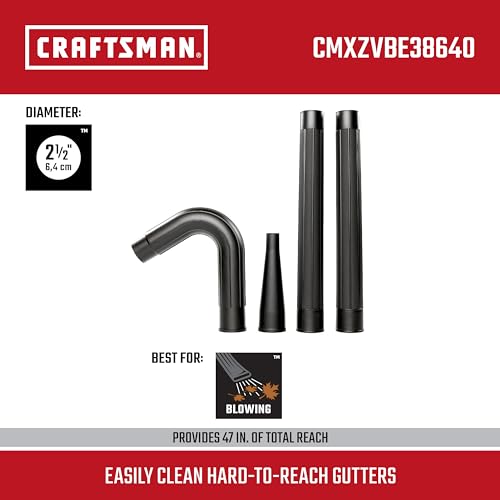
Many wet/dry vacuums come with a blower port. By attaching the hose to an exhaust port, you can convert the vacuum into a powerful blower, useful for clearing leaves, sawdust from tight spots, or drying surfaces. Other features to consider include cord length (longer is better for larger areas), the type of casters (for easier mobility), and the availability of specialized accessory kits.
Basic Maintenance for Your Wet/Dry Vacuum
Keeping your wet/dry vacuum in good working order doesn't take much effort, but regular maintenance is crucial for longevity and performance. The most important task is proper cleaning after each use, especially after wet pickup.
If you've just vacuumed liquids, immediately empty the tank, rinse it thoroughly with clean water, and allow it to air dry completely before storing. This prevents odors and mold growth. For dry pickup, ensure the filter is cleaned or replaced according to the manufacturer's instructions. For models that use foam filters for wet use, they should also be rinsed and dried.
Inspect the hose and attachments for any blockages or damage regularly. Performing these simple checks will ensure your vacuum is ready for its next task.