What Is Wet Vacuum Cleaning for 2026: Tested & Reviewed
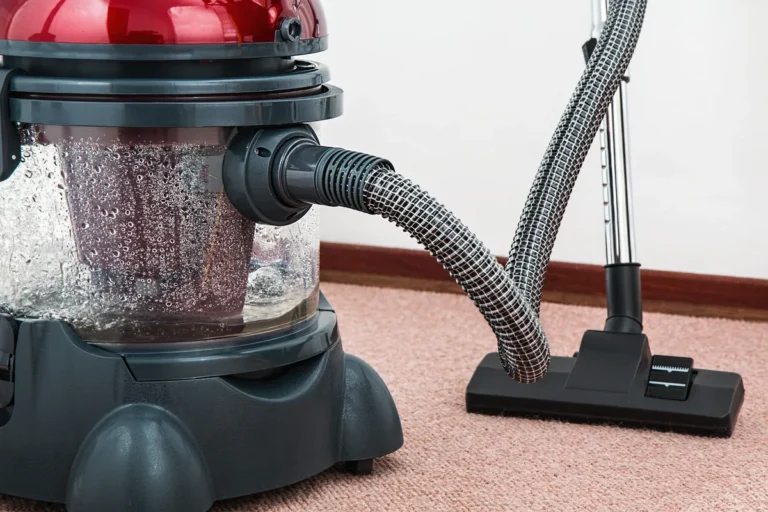
When you've got a spill that a regular vacuum just can't handle, or you're dealing with more than just dust and debris, a wet vacuum cleaner becomes your best friend. So, what is wet vacuum cleaning? It's a specialized cleaning method using a versatile appliance designed to safely and effectively clean up both dry debris and liquids, making it an essential tool for serious messes.
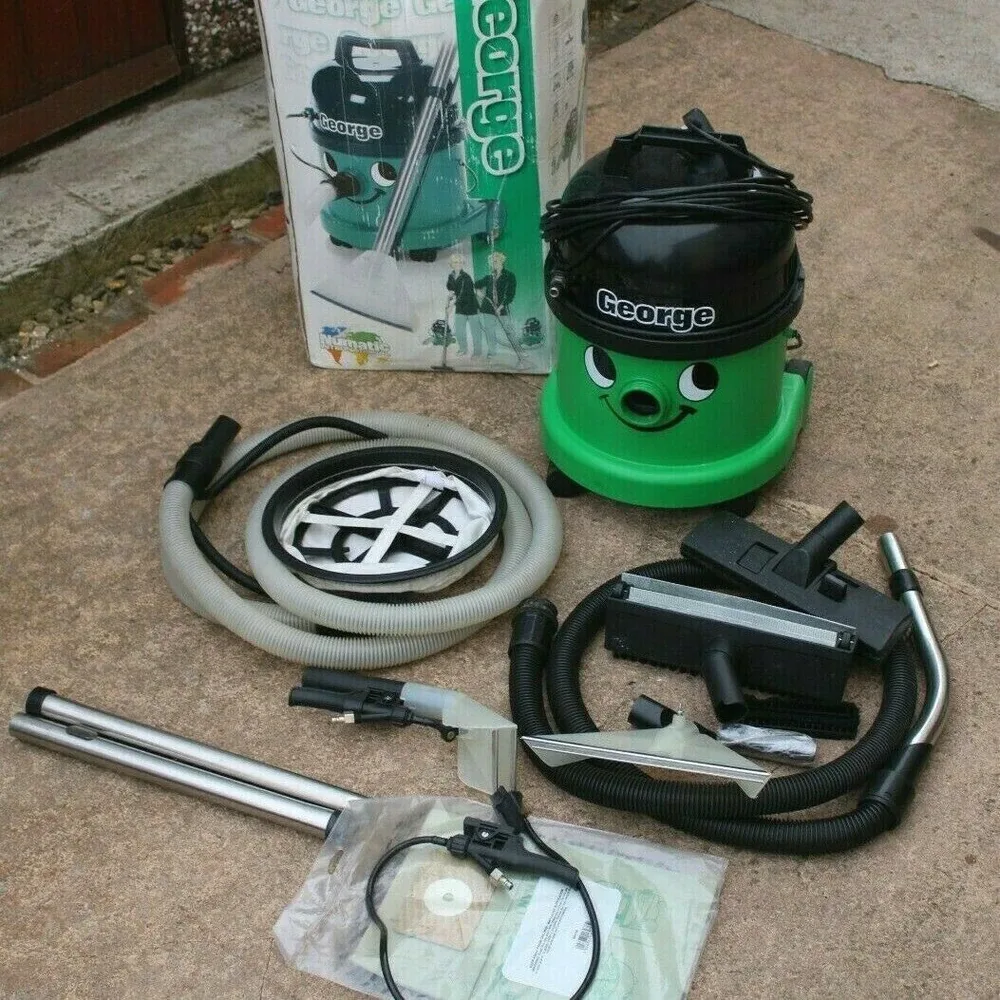
Unlike standard household vacuums that are built solely for dry particles and would risk electrical damage with moisture, wet vacs are engineered with protective measures for liquid ingestion. For instance, many models feature intake ports designed to bypass the motor, preventing water from reaching sensitive electrical components.
How a Wet Vacuum Actually Works
At its core, a wet vacuum operates by drawing air and debris into a collection tank. For dry debris like sawdust or dirt, a filter system separates the particles from the air before it's expelled. When vacuuming liquids, the process is similar but often involves removing or bypassing the dry filter to allow the liquid to enter the tank directly.
The Tank and Filter System
The heart of any wet vacuum is its collection tank, usually made of durable plastic or metal. This large-capacity container holds both dry and wet messes. When dealing with liquids, it's crucial to ensure the correct filter is either removed or a specialized wet-use filter is in place. Standard dry filters can become clogged and damaged by water, impeding performance and potentially harming the vacuum's motor.
Manufacturer specifications often detail the types of filters required for wet versus dry use, and some units have a float mechanism that shuts off suction when the tank reaches its maximum liquid capacity, preventing overflow.
Wet Vacs vs. Your Regular Vacuum: What's the Difference?
The fundamental difference between a wet vacuum and your typical household vacuum cleaner lies in their design and intended purpose. A regular vacuum is optimized for dry particulate matter, dust, dirt, pet hair, and similar debris found on carpets, hard floors, and upholstery. They rely heavily on filtration systems to trap these particles and prevent them from recirculating into the air. If you tried to use a standard vacuum on a liquid spill, the moisture would likely get pulled into the motor or electrical components, causing a short circuit and potentially irreparable damage.
A wet vacuum, on the other hand, is built with a dual-capability system. It can handle dry messes just like a regular vacuum, but its engineering allows it to safely ingest liquids into its collection tank. This is achieved through specialized tank designs and filtration configurations that protect the motor from moisture. For example, aggregate reviews often highlight that many shop vac models can pick up several gallons of water without issue.
When a Wet Vacuum is Your Best Friend: Top Use Cases
A wet vacuum truly shines when you encounter messes that go beyond simple dust. Its ability to handle both dry and wet materials makes it incredibly versatile for a range of demanding cleaning tasks.
Tackling Spills and Water Cleanup
This is the most intuitive application. Whether it's an accidental spill of soda on your kitchen floor, water from a leaky appliance, or even minor flooding from a burst pipe, a wet vacuum can quickly and efficiently suck up the liquid. This prevents the liquid from spreading, soaking into subflooring, or causing long-term water damage. In some minor emergency scenarios, as of 2026, these tools are often the first line of defense for homeowners to mitigate water ingress before professional help arrives.
Workshop and Garage Warrior
For hobbyists and professionals alike, workshops and garages are often breeding grounds for diverse messes. Sawdust, wood shavings, metal filings, concrete dust, and small debris from DIY projects are common. When these are mixed with spilled oil, coolant, or water from cleaning equipment, a wet vacuum is the ideal solution. It can clear away the dry material and then immediately tackle any liquid spills, keeping the workspace clean and safe.
Car Interior Revival
Cleaning out a car can be a messy job, especially after a day at the beach, a rainy adventure, or transporting pets. A wet vacuum excels at deep cleaning car interiors. It can lift mud and grime from carpeted floor mats, suck up water after washing the car, and clear out pet hair and crumbs from seats and crevices. Its power is often greater than handheld car vacuums, allowing for more thorough extraction of debris.
Dealing with Pesky Pet Messes
For pet owners, accidents are an unfortunate reality. When dogs or cats have an indoor mishap, a wet vacuum can be incredibly effective. It can quickly absorb the liquid portion of the mess, and then, after the area is treated with an appropriate cleaner, it can help extract residual moisture and any remaining solids. This expedites the cleaning process and helps prevent lingering odors.
Key Wet Vacuum Features to Look For
When you're looking at different wet vacuum models, a few key features will heavily influence their performance and suitability for your needs. Understanding these specs can help you choose the right tool for the job.
Suction Power (CFM & Water Lift)
The power of a wet vacuum is typically measured in two main metrics: airflow (CFM) and suction lift (Water Lift). CFM, or Cubic Feet per Minute, indicates the volume of air the vacuum can move. A higher CFM generally means it can clean a larger area more quickly or pick up bulkier debris with ease. Water Lift, measured in inches or millimeters, indicates the maximum height of a column of water the vacuum can lift.
A higher Water Lift suggests stronger suction, which is crucial for pulling liquids out of deep carpets or from flooded areas. For example, industrial-grade wet vacs might boast water lift ratings well over 100 inches, while standard household models might range from 50 to 70 inches.
Tank Size Matters
The capacity of the collection tank is a practical consideration, especially for larger or more frequent cleanups. Wet vacuums come in a range of sizes, typically from 2-gallon portable units to 16-gallon or larger wheeled models. If you anticipate dealing with major spills, basement flooding, or extensive workshop cleanup, a larger tank means you can tackle the job without frequent interruptions to empty the container. Conversely, for smaller, quick messes or if storage space is limited, a more compact unit might be sufficient.
Manufacturer specifications will always list the tank volume, usually in gallons or liters.
Common Mistakes When Using a Wet Vacuum
Using a wet vacuum is pretty straightforward, but like any tool, there are a few common pitfalls that can lead to poor performance or even damage.
Forgetting to Remove the Dry Filter
This is probably the most frequent mistake. If you're vacuuming up liquids without removing the dry filter, it can become saturated and clogged. This significantly reduces suction power, making your cleanup efforts much less effective. In some cases, a waterlogged filter can even start to disintegrate or push moisture into the motor housing, potentially causing it to fail.
Always check your owner's manual for specific instructions on filter use for wet pickup.
Neglecting Tank Maintenance
After you've finished vacuuming up a mess, especially liquids, it's vital to properly clean and dry the tank. If you leave water or debris sitting in the tank, it can quickly develop mold and mildew, leading to unpleasant odors. Furthermore, dried residue can make subsequent cleanups more difficult and potentially harbor bacteria. Emptying and wiping down the tank thoroughly after each use ensures your wet vacuum stays in good working order and odor-free.
Real-World Benefits of a Wet Vac
The advantages of having a wet vacuum extend beyond just dealing with spills. Its versatility means it can replace several other specialized cleaning tools, saving you money and storage space.
For instance, many wet vacs can handle tasks that would otherwise require a shop broom and dustpan, a carpet cleaner, or even a small sump pump in a minor flood situation. Their robust construction means they can withstand tougher conditions found in garages, workshops, or an active family home. The immediate cleanup of spills also prevents stains from setting and reduces the risk of slips and falls, contributing to a safer environment.
Wet Vac Maintenance: Keeping It Ready for Action
Proper maintenance is key to ensuring your wet vacuum performs reliably for years. This goes beyond just emptying the tank after each use. Regularly inspecting the filters is crucial; dry filters should be tapped clean or replaced when visibly dirty or torn. For wet use, it's essential to confirm the correct filter is installed or, more commonly, that the dry filter is removed entirely.
Inspect the hose and attachments for any blockages that could impede airflow and suction. Seals and gaskets on the tank lid should also be checked for wear and tear, as a poor seal can lead to air leaks and reduced efficiency. Many manufacturer websites offer detailed maintenance guides and lists of replacement parts, ensuring you can keep your unit in top shape.
Wet Vacs: What to Look For in Performance Data
When you're comparing different wet vacuum models, don't just look at the price tag. Key performance data points can tell you a lot about how well a unit will handle your specific needs. Besides CFM and Water Lift, consider the motor's horsepower (HP), though this is sometimes a less direct indicator of cleaning performance compared to CFM and Water Lift.
Some higher-end models might offer features like onboard tool storage, power cord management systems, or even blower functions, which can be useful for clearing leaves or debris from driveways. Looking at verified buyer feedback often reveals real-world performance insights, such as how long a particular model lasts or how effectively it handles specific types of messes.