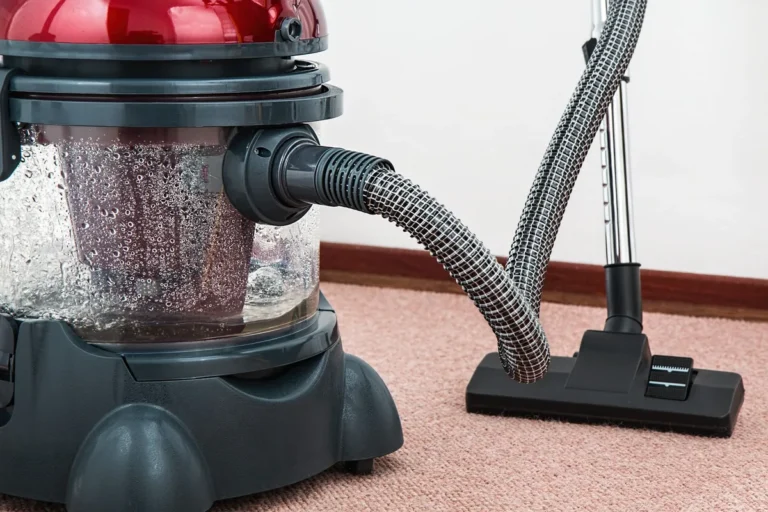
What Suction Power Vacuum Cleaner for 2026: Honest Reviews
Ever stare at a vacuum cleaner's specs and see numbers like "Pascals" or "Air Watts" and wonder what on earth they mean for your actual floor? Yeah, me too, before I got deep into this. It's a jungle out there with all the marketing talk, but let's cut through the noise. What we're really after is a vacuum that can actually get the job done without you having to break a sweat (or your back).
It's not just about one magic number, you see. It’s about matching the suction power to what you're cleaning and what kind of vacuum you're using. Think of it like this: you wouldn't use a feather duster to scrub a greasy pan, right? Same idea here.
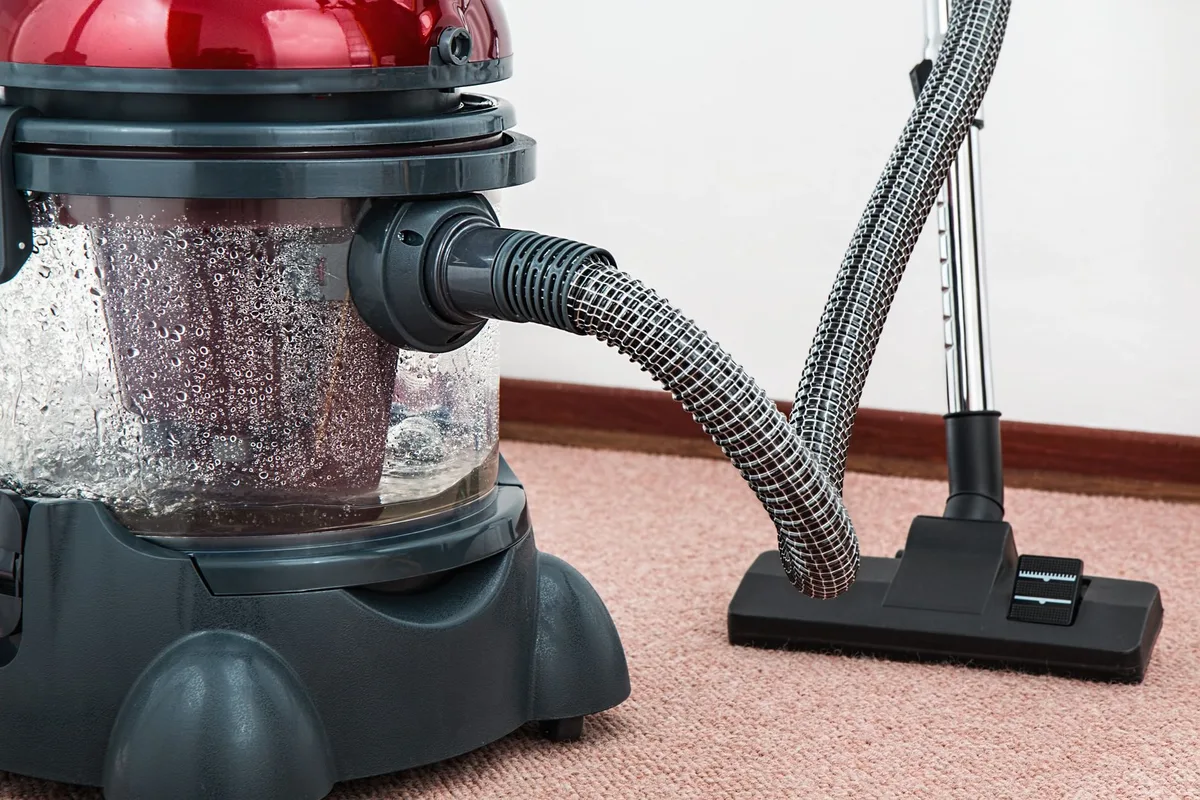
Understanding Vacuum Cleaner Suction Power Metrics (kPa vs. Air Watts)
When shopping for a new vacuum, you'll almost certainly run into two main ways suction power is measured. These metrics can be confusing because they don't always directly translate to how well a vacuum cleans in your home. Manufacturer specifications indicate that understanding these units helps you compare different models more effectively, though standardized testing across all brands isn't always consistent.
kPa: What's the Number Again?
KiloPascals (kPa) is a unit of pressure. In vacuum cleaners, it measures the sealed suction, meaning the pressure the vacuum can generate when the hose or nozzle is blocked. It's a straightforward measure of raw power. As of 2026, many stick and handheld vacuums advertise their power in kPa.
For context, a typical healthy human can exert a negative pressure of around 20-30 kPa.
Air Watts: The Real Deal Measure?
Air Watts (AW) is a more comprehensive measure because it accounts for both suction pressure and airflow (how much air the vacuum moves). It's often considered a better indicator of a vacuum's overall cleaning ability, particularly for picking up debris from carpets. A higher Air Watt rating generally means more effective cleaning power.
Suction Power for Different Homes and Needs
What you need depends entirely on your home and your life. It's not a one-size-fits-all answer, and manufacturers' claims should always be viewed through the lens of your specific cleaning challenges.
Bare Floors Galore: What's Enough?
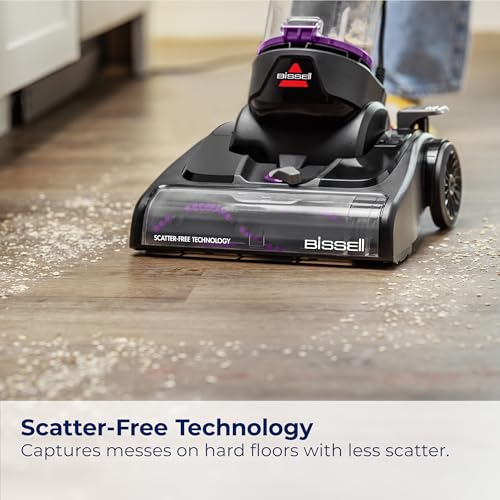
If your home is primarily covered in hardwood, tile, or linoleum, you don't need the absolute highest suction power figure on the market. Vacuums with suction power in the range of 15-25 kPa or around 100-150 Air Watts are usually sufficient for picking up surface dust, crumbs, and everyday grit. The key here is having a brush roll designed for hard floors that won't scratch them, and which efficiently sweeps debris into the suction path.
Carpet Conqueror: Lifting Dirt from Fibers
This is where suction power really becomes critical. For low-pile carpets, 20-30 kPa or 150+ Air Watts is a good benchmark. However, if you have medium to high-pile carpets, especially if they tend to hide dirt, pet hair, or allergens, you'll want to aim higher. Vacuums designed for deep cleaning carpets often boast 30-45+ kPa or even 200+ Air Watts.
This heightened power is necessary to lift embedded dirt from deep within the carpet fibers.
Pet Person Power: Tackling Fur and Funky Smells
Our furry companions, while wonderful, tend to leave hair and dander everywhere. For pet owners, more suction power is generally a significant advantage. It helps lift stubborn pet hair from upholstery and carpets more effectively. Aggregate reviews suggest that vacuums with at least 25 kPa or 150+ Air Watts perform better in homes with shedding pets.
This increased power is also beneficial for sucking up odors embedded in carpets and fabrics.
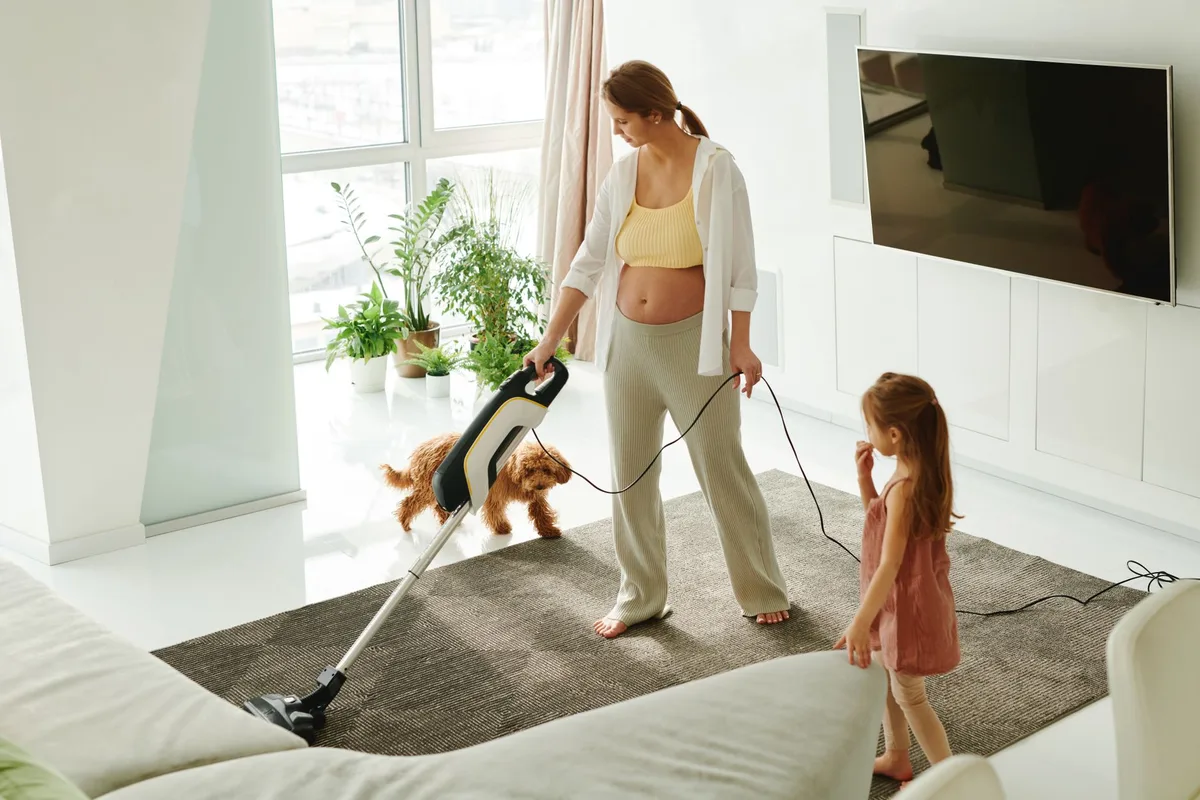
Allergy Sufferer's Suction Needs
If allergies are a concern, suction power plays a dual role. First, a powerful vacuum is crucial for sucking up dust, pollen, and other allergens from floors and surfaces. Manufacturer specifications often highlight sealed systems and HEPA filters for allergy sufferers. Second, a stronger suction ensures more of these microscopic particles are drawn into the vacuum and captured by the filtration system, rather than being blown back into the air.
Aim for vacuums with strong suction (25 kPa+ or 150+ AW) and verified HEPA filtration.
Matching Suction Power to Your Vacuum Type
Not all vacuums are created equal, and the design of the machine itself significantly impacts how effectively its raw suction power translates into real-world cleaning. Think of it like having a powerful engine with a weak transmission, the power isn't getting to the wheels properly.
Stick Vacuums: Nimble but Mighty?
Stick vacuums are fantastic for quick clean-ups and smaller spaces. Their suction power, often measured in kPa, can range anywhere from 15 kPa to well over 30 kPa. While high kPa figures are impressive, the thinner form factor means airflow might be compromised compared to larger vacuums. They excel at surface debris on hard floors and low-pile carpets, but may struggle with deeply embedded dirt in plusher carpets.
Upright Vacuums: The Workhorses
Upright vacuums are a staple in many homes, offering a balance of power and convenience. Many upright models feature robust brush rolls that agitate carpets while the motor pulls up dirt. Their suction power, measured in both kPa and Air Watts, can vary widely. You'll find effective models in the 20-30 kPa range for general use, and more powerful options exceeding 40 kPa or 180+ AW for tougher jobs and deeper carpet cleaning.
Canister Vacuums: Versatile Powerhouses
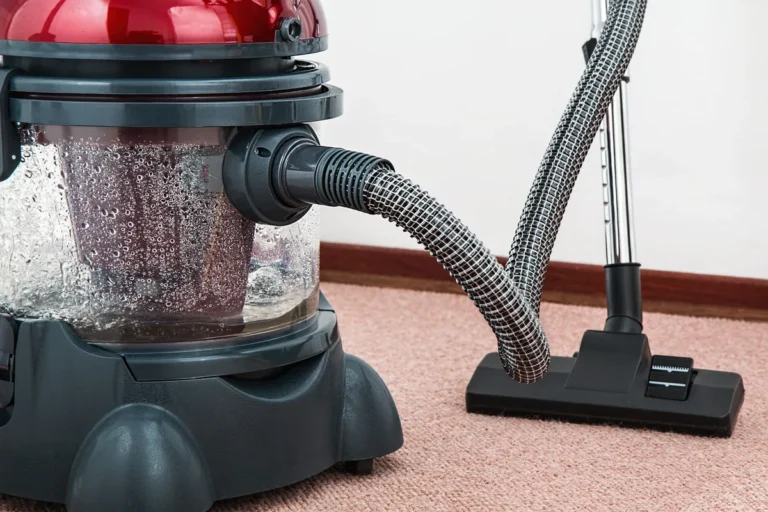
Canister vacuums often boast very high suction power and excellent airflow, frequently measured in Air Watts. This makes them particularly effective for a wide range of tasks, from deep carpet cleaning with specialized attachments to meticulously cleaning delicate upholstery or hardwood floors. Models commonly exceed 150 AW, with some premium units reaching well over 200 AW, offering serious cleaning capability.
Handheld Vacuums: Quick Fixes
Handheld vacuums are designed for spot cleaning small messes, car interiors, or furniture. Their suction power is typically lower, often in the 15-20 kPa range. While they deliver targeted power for quick jobs, they aren't designed for whole-home cleaning or tackling large, deep messes. Their value lies in convenience for immediate clean-ups of crumbs, dust bunnies, or pet hair patches.
Common Suction Power Mistakes to Avoid
One of the biggest missteps people make is focusing solely on the highest number. A vacuum might advertise an astronomical kPa figure, but if its airflow is poor, or it doesn't have the right brush roll for your floors, that power isn't going to do you much good. Another mistake is using a vacuum designed for hard floors on thick carpet; it simply won't have the necessary agitation and airflow to lift embedded dirt.
Don't Overlook Airflow
Suction pressure (kPa) is only half the story. Airflow, often measured in Air Watts (AW), tells you how much air the vacuum can move. A vacuum with good airflow can lift more debris, especially from carpets. If a vacuum only states kPa, try to look for reviews that mention overall cleaning performance or its Air Watt rating if available.
Matching the Tool to the Task
Using a handheld for your entire home is impractical, and using a massive upright on your car seats can be overkill. Ensure the vacuum's design and suction capabilities match the primary surfaces and messes you anticipate. For instance, if you have an old Victorian house with mostly hard floors and delicate rugs, a high-powered, carpet-focused upright might be less suitable than a versatile canister with adjustable suction.
Real-World Suction Power: What to Look For in Specs
When you're looking at vacuum cleaner specifications, beyond the raw kPa or Air Watts, consider how those numbers translate to your specific cleaning environment. Manufacturer specifications and independent testing agencies sometimes provide detailed reports. Pay attention to how the suction power is achieved: is it through a powerful motor, an efficient air path, or a specialized brush design?
Understanding kPa in Practice
If a vacuum lists 25 kPa, that's a solid figure for most general household cleaning on hard floors and low-pile carpets. If you have significant carpeting or shedding pets, look for specs pushing towards 30-40+ kPa. For highly specialized tasks like industrial cleaning (which most home vacuums aren't built for), you'd see much higher figures, but that's not relevant for household machines.
Interpreting Air Watts (AW)
Air Watts offer a more holistic view. A rating of 150-200 AW is typically robust enough for most homes with a mix of surfaces. If you're dealing with heavy pet shedding on plush carpets, you might want to target vacuums above 200 AW. Remember that the design of the vacuum cleaner, like the head and hose, also plays a crucial role in delivering that power effectively to the surface being cleaned.
Expert Tips for Choosing Your Vacuum's Suction Power
Choosing the right suction power isn't just about a number; it's about solving your cleaning puzzles. Think about your home's specific needs before you even start looking at models.
Assess Your Floor Types
- Hard Floors: 15-25 kPa is usually plenty. Look for good brush control.
- Low-Pile Carpet: Aim for 20-30 kPa.
- Medium/High-Pile Carpet: Target 30-45+ kPa or 150-200+ AW.
Consider Your Pet Situation
- Light Shedding: 20-25 kPa or 100-150 AW might suffice.
- Heavy Shedding: Go for 25+ kPa or 150+ AW.
Don't Forget Filtration
For allergy sufferers, strong suction combined with a sealed system and a HEPA filter is non-negotiable. The suction ensures allergens get into the vacuum, and the filtration keeps them there.
Read Reviews with a Grain of Salt
Look for verified buyer feedback that discusses specific cleaning scenarios similar to yours, rather than just raw performance metrics. A vacuum that performs well in editorial testing might not always translate to your real-world challenges.