What Is a Vacuum Cleaner: Best Review 2026
What exactly is a vacuum cleaner? It's that trusty machine that swoops in to tackle dust, crumbs, and pet hair, making our homes cleaner with just a pass. But beyond the basic idea of suction, understanding the nuances of what makes one vacuum different from another is key to finding the tool that truly fits your cleaning needs.
In our research, we've found that vacuums aren't just one-size-fits-all; their designs and features cater to a wide array of cleaning challenges, from deep-pile carpets to delicate hardwood floors. Manufacturer specifications often indicate performance metrics like airflow, though real-world use can vary. Let’s break down the essential components and types to help you make sense of it all.
The Core Idea: How Vacuum Cleaners Actually Work
At its most fundamental level, a vacuum cleaner is a mechanical device that uses airflow to draw in dirt and debris from surfaces. A motor powers a fan, which creates a low-pressure area inside the vacuum cleaner's body. The higher atmospheric pressure outside then pushes air, along with any loose particles, into the vacuum through an intake port, typically at the end of a wand or nozzle.
This captured air and debris mixture is then sent through a filtration system, trapping the unwanted particles before expelling cleaner air back into the room. This process is central to all vacuum cleaner operation, regardless of model or size.
Making Sense of Suction Power and Airflow
Suction power, often measured in Air Watts (AW), is a common metric, but it’s a bit of a simplification. A higher Air Watt number generally means more effective cleaning, but it doesn't tell the whole story. Equally important is airflow, measured in cubic feet per minute (CFM) or liters per second (L/s), which dictates how much air can be moved across a surface.
Think of it like trying to drink through a straw: a strong suction might pull hard, but if the straw is narrow or blocked, you won't get much liquid. A vacuum needs both strong suction and good airflow to effectively lift dirt from carpets or sweep debris from hard floors. Aggregate reviews often highlight that a balanced combination of the two leads to the best cleaning performance.
Different Types of Vacuums: Which One is Right for You?
It's easy to think of all vacuums as being the same, but the reality is quite different. The variety of vacuum cleaner designs caters to specific cleaning tasks and household needs. Understanding these different types is the first step in choosing one that’ll make your cleaning routine easier and more effective.
Upright Vacuums: The Carpet Champions
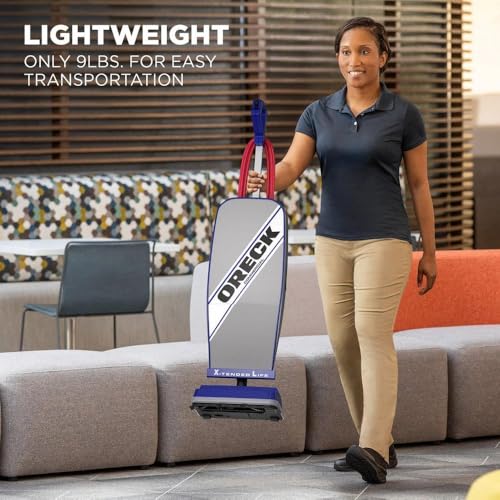
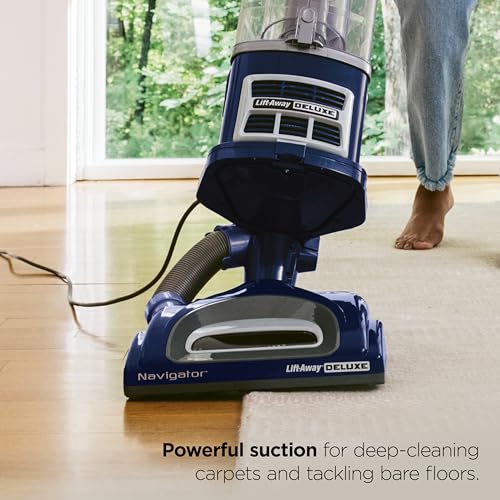
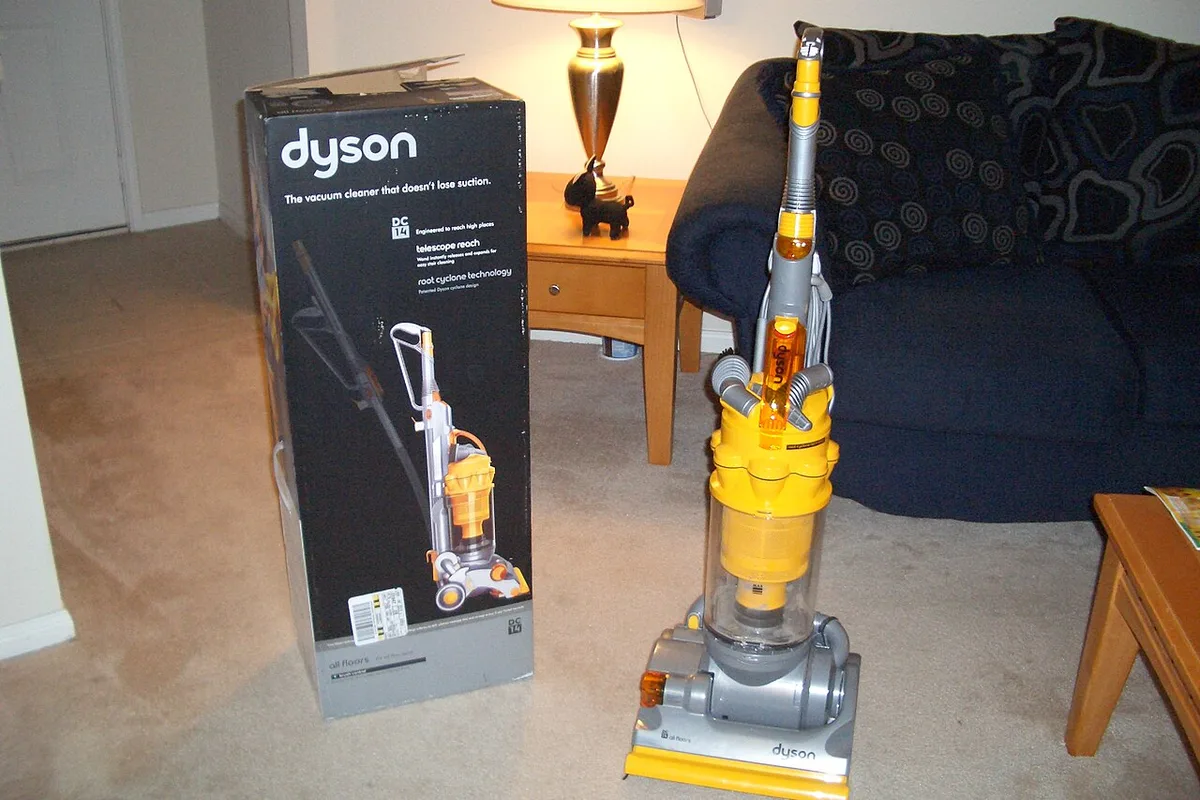
Upright vacuums are perhaps the most traditional style, especially in North America. They combine the motor, fan, and dust collection unit into a single, upright body that you push and pull across the floor. Their design typically features a rotating brush roll at the base, which agitates carpet fibers to loosen embedded dirt. This makes them exceptionally good at deep cleaning carpets.
Manufacturer specifications often highlight their strong brush agitation for carpet, and their single-unit design makes them convenient for covering large floor areas quickly. However, their weight and size can sometimes make stairs or tight spaces more challenging to navigate.
Canister Vacuums: Versatility in Motion
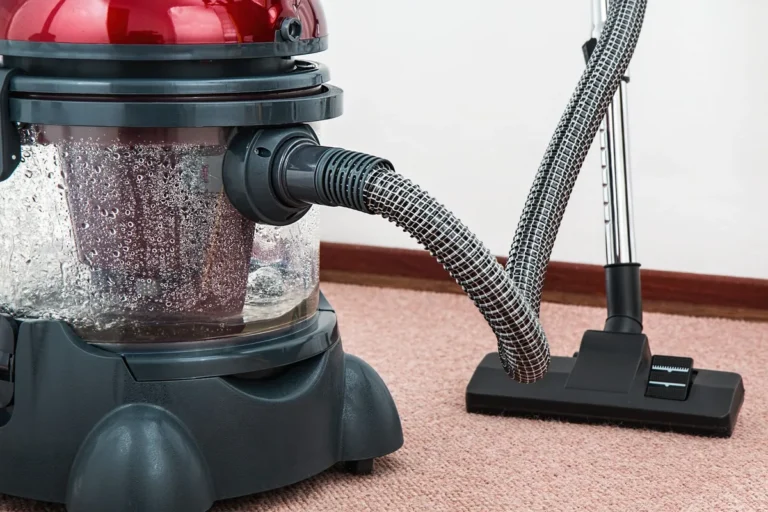
Canister vacuums offer a different approach, separating the main motor and dust collection unit (the canister) from the cleaning head via a flexible hose and wand. This design separation provides greater maneuverability. You can easily direct the lightweight wand and cleaning head to reach under furniture, into corners, or even to clean upholstery and curtains with the appropriate attachments.
Many canister models are renowned for their powerful suction and excellent filtration, making them a solid choice for homes with a mix of flooring types, including hardwood, tile, and area rugs. Their design often allows for quieter operation compared to many upright models and can be easier on the back.
Stick Vacuums: Lightweight and Nimble
Stick vacuums have surged in popularity due to their lightweight design and cordless operation. They are essentially a slimmed-down version of an upright vacuum, often battery-powered, making them incredibly easy to handle and store. These are perfect for quick cleanups, small apartments, or as a secondary vacuum for spot cleaning.
Their primary advantage is convenience and agility. If you've ever just needed to suck up a few spilled crumbs without dragging out a big machine, a stick vacuum shines. However, their dustbins are typically smaller, and battery life can be a limiting factor for larger homes or extensive cleaning sessions.
Handheld Vacuums: For Quick Spruce-Ups
Handheld vacuums are the smallest and most portable option. They are designed for tackling small, localized messes quickly, think spilled cereal on the counter, dirt tracked onto a sofa, or dust in a car interior. They are almost always cordless and require minimal setup.
While they excel at convenience for minor cleanups, their limited dustbin capacity and battery life mean they are not suited for cleaning entire rooms or large floor areas. They serve a specific purpose: immediate, on-the-spot cleaning.
Robotic Vacuums: The Autonomous Cleaners
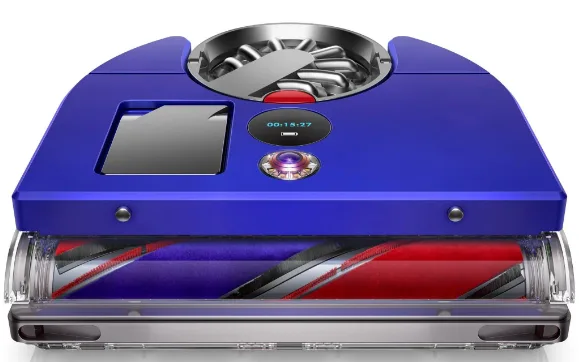
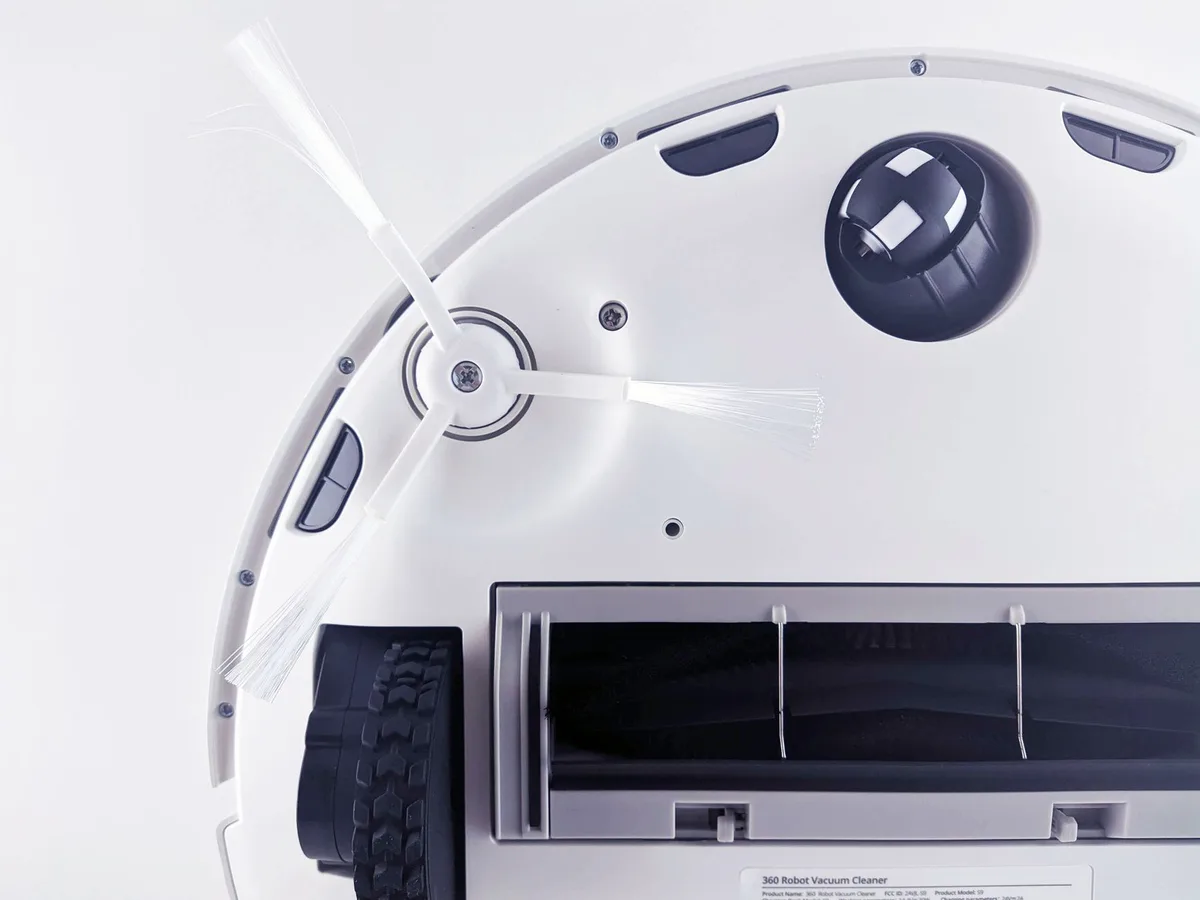
Robotic vacuums represent a significant shift towards automated home cleaning. These are small, disc-shaped devices that navigate your home independently, using sensors to avoid obstacles and map out cleaning paths. You can schedule them to clean on a regular basis, allowing you to maintain floor cleanliness without active participation.
When comparing options, manufacturer specifications might detail navigation technology (e.g., random bounce vs. smart mapping) and battery life. While they're great for maintaining a baseline level of cleanliness, they typically don't offer the deep-cleaning power or versatility for stairs or detailed edge cleaning that traditional vacuums do.
Key Features and What They Mean for Cleaning
Beyond the basic type, specific features significantly impact how a vacuum performs and how convenient it is to use. Understanding these can help you zero in on the best machine for your home. One of the most critical features is the filtration system, especially as of 2026, with growing awareness around indoor air quality.
Filtration: Breathing Easier with Better Traps
A vacuum cleaner's filtration system is its unsung hero. It's responsible for trapping dust, allergens, and fine particles, preventing them from being exhausted back into your living space. The most basic filters are often made of porous materials that catch larger debris.
For those concerned about allergies or asthma, a HEPA (High-Efficiency Particulate Air) filter is often recommended. According to the U.S. Department of Energy's standards, a true HEPA filter must trap at least 99.97% of airborne particles 0.3 micrometers (µm) in diameter. This level of filtration is excellent for capturing microscopic irritants like pollen, pet dander, and mold spores.
Dust Collection: Bagged vs. Bagless
When it comes to collecting the dirt, vacuums generally fall into two camps: bagged and bagless. Each has its own set of pros and cons that affect user experience and maintenance.
Bagged Vacuums
Bagged vacuums use a disposable bag to contain the dirt and dust. When the bag is full, you simply remove it and discard it. This method is generally considered more hygienic, as it seals away the dust and allergens, minimizing your exposure during disposal. Many users find this simpler to manage, especially if they have respiratory sensitivities.
However, the ongoing cost of purchasing replacement bags can add up over time. Additionally, as the bag fills, suction power can sometimes decrease because the airflow is more restricted.
Bagless Vacuums
Bagless vacuums use a canister or dustbin that can be emptied directly into the trash. This eliminates the need to buy replacement bags, which can be a cost-saving advantage.
The main advantage here is the convenience of seeing how much you've collected and being able to empty it easily. However, emptying the dustbin can sometimes be a messier affair, potentially releasing fine dust back into the air if not done carefully. Manufacturer specifications often state the dustbin capacity in liters or quarts.
Weighing the Good and the Not-So-Good: Pros and Cons
Choosing any appliance involves weighing its advantages against its disadvantages. For vacuum cleaners, these factors often center on performance, convenience, and cost of ownership. Understanding these trade-offs helps ensure you select a machine that aligns with your expectations and practical needs.
Benefits of Using a Vacuum Cleaner
The primary benefit is, of course, effective cleaning. Vacuums are designed to remove dirt, dust, and debris much more efficiently than manual sweeping, especially from carpeted surfaces. This leads to a cleaner living environment and can significantly improve indoor air quality by capturing allergens and fine particles.
They also save considerable time and physical effort compared to older cleaning methods. For many, the sheer convenience of a vacuum makes it an indispensable household tool for maintaining a tidy home.
Potential Drawbacks to Consider
Not all vacuums are created equal, and some can present challenges. Heavy models can be difficult to maneuver, especially on stairs or across multiple levels. Some can be quite loud, making cleaning at certain times of day problematic. Cord length can be a constraint, requiring frequent unplugging and replugging in larger spaces.
The cost of ownership can also be a factor, not just for the initial purchase price but also for ongoing expenses like replacement bags, filters, or battery replacements for cordless models. And, as discussed, some filtration systems may not be adequate for those with severe allergies.
When to Use Which Type: Finding Your Perfect Match
Knowing the different types of vacuums is one thing, but knowing which one suits your specific needs is the real trick. Your home's layout, flooring, and any particular cleaning challenges you face will heavily influence the best choice. It’s about matching the tool to the job.
Best Vacuums for Carpets
For homes with a lot of carpet, an upright vacuum is often the go-to. Their powerful brush rolls are designed to dig into carpet fibers and lift embedded dirt and debris. Models with adjustable height settings are particularly good, allowing you to optimize brush height for different carpet pile depths.
Canister vacuums can also be effective on carpet, especially those with a powered brush head attachment, but the maneuverability of an upright often makes them quicker for large carpeted areas.
Ideal Vacuums for Hard Floors
Hard floors like hardwood, tile, and laminate require a gentler yet effective approach. While brush rolls on uprights can be excellent for carpets, they can sometimes scatter debris on hard surfaces or even scratch delicate finishes. Canister vacuums often excel here, as their cleaning heads are typically designed to work well on smooth surfaces.
Alternatively, stick vacuums with specialized hard floor heads or vacuums that offer a "no brush roll" option are excellent choices. These usually rely more on strong suction to lift debris without damaging the floor.
Handling Pet Hair Like a Pro
Pet owners know that fur can embed itself into carpets and upholstery like nothing else. For this, look for vacuums that boast strong suction power and effective brush agitation. Many models specifically market their pet-hair-removal capabilities, often featuring specialized brush designs or stronger motors.
Washable filters and easy-to-empty dustbins are also a bonus, as pet hair can quickly fill up a vacuum. Consider vacuums with sealed systems and good filtration to prevent allergens from being released back into the air.
Vacuums for Allergy Sufferers
If you or someone in your household suffers from allergies or asthma, filtration is paramount. As mentioned, a HEPA filter is highly recommended, as it captures the microscopic particles that commonly trigger allergic reactions. Look for vacuums that explicitly state they have a sealed system, meaning the air is forced through the filter and not around it.
Bagged vacuums can also offer an advantage here, as they contain the allergens during disposal. While bagless models with good HEPA filtration can still be effective, a bagged, sealed HEPA vacuum offers the highest level of allergen containment according to typical user feedback.