What Not to Eat After Teeth Cleaning 2026: Explained Simply
So, you just had your teeth cleaned! Feeling that super smooth, fresh-from-the-dentist glow? That's awesome.
Your dental hygienist probably gave you a rundown of what to do, but sometimes life gets busy, and the specifics can blur. Don't worry, I've got your back.
It’s a bit like an oil change for your car, you want to let everything settle properly afterwards. For your teeth, this usually means being a little mindful of what you’re putting into your mouth for a few hours. It’s not about drastic changes, just making sure that sparkling clean feeling lasts and you don't accidentally undo some of their hard work.
Quick Answer: Foods to Avoid for 24 Hours
After a dental cleaning, avoid hot liquids, acidic foods, sticky sweets, and hard crunchy items for about 24 hours. These can irritate sensitive gums and teeth. Waiting allows enamel to recover.
Stick to soft, lukewarm, and non-staining foods instead.
Why What You Eat After Teeth Cleaning Matters
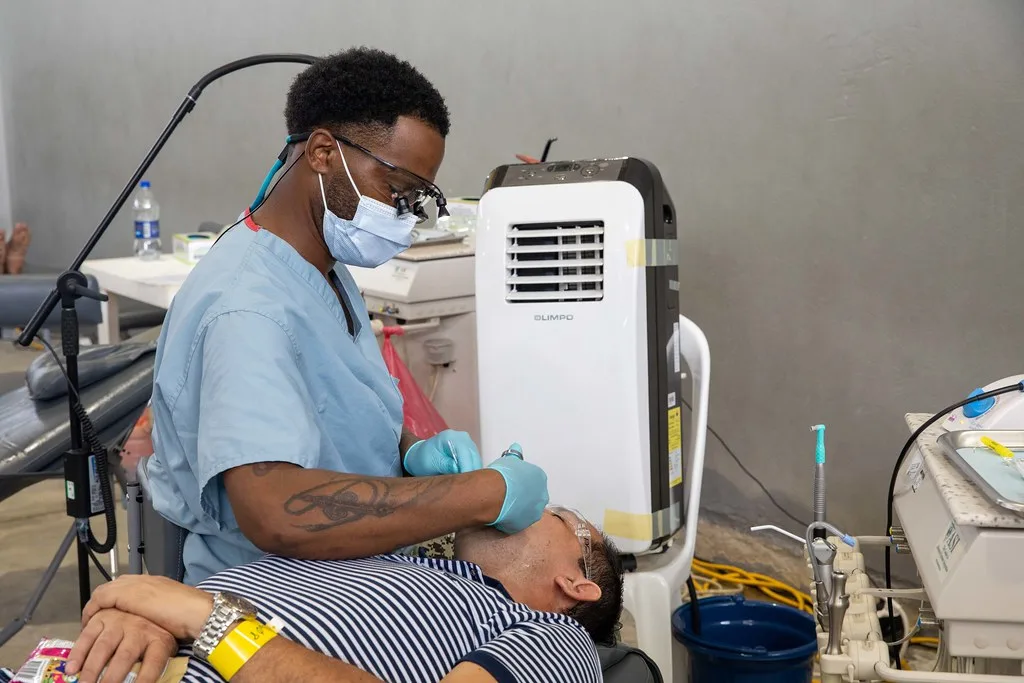
Your dental hygienist just performed a thorough cleaning, which involves removing plaque and tartar buildup, polishing away surface stains, and often applying a fluoride treatment. This process, while beneficial for your oral health, can leave your teeth and gums feeling slightly more sensitive than usual. Think of it like a fresh polish on a car, you wouldn't want to immediately drive it through a muddy track.
During this sensitive period, certain foods and drinks can interfere with the healing and protective effects of the cleaning. For instance, according to general dental professional guidance, enamel can take up to 24 hours to fully remineralize after a cleaning, especially if a fluoride treatment was applied.
Foods and Drinks to Skip For Now
There's a reason your dentist advises caution after a cleaning. Introducing the wrong foods too soon could lead to discomfort and potentially undo some of the good work. For the most part, you'll want to steer clear of the following categories for roughly 24 hours, or until any gum tenderness or tooth sensitivity subsides.
This timeframe aligns with what numerous dental practices recommend after routine prophylactic cleanings.
Hot or Cold Extremes
Extreme temperatures, whether hot or cold, can trigger sensitivity in teeth that have just undergone cleaning. This is particularly true if the enamel has been polished or if there was any mild gum irritation.
- Coffee and Tea: These are common culprits for both heat and staining. Opt for cooler or room-temperature versions if you need your caffeine fix.
- Ice Cream and Frozen Desserts: The intense cold can cause a sharp, sudden discomfort.
- Very Hot Soups and Broths: Letting them cool down significantly is key.
Waiting for your beverages and foods to reach a comfortable, lukewarm or room temperature is the simplest way to avoid any temperature-related pain.
Sticky and Chewy Treats
Foods with a sticky or chewy texture can cling to your teeth and gums, potentially irritating sensitive areas. They also require more effort to break down, which might be uncomfortable if your gums are a little tender.
- Caramels, Taffy, and Gummy Candies: These are classic examples of foods that can stick.
- Chewing Gum: Even after the cleaning, it’s best to avoid gum for a day.
- Certain Breads and Doughnuts: Some particularly soft and sticky baked goods can also pose a minor issue.
Instead, choose foods that are easy to bite into and swallow without extensive chewing.
Acidic Foods and Beverages
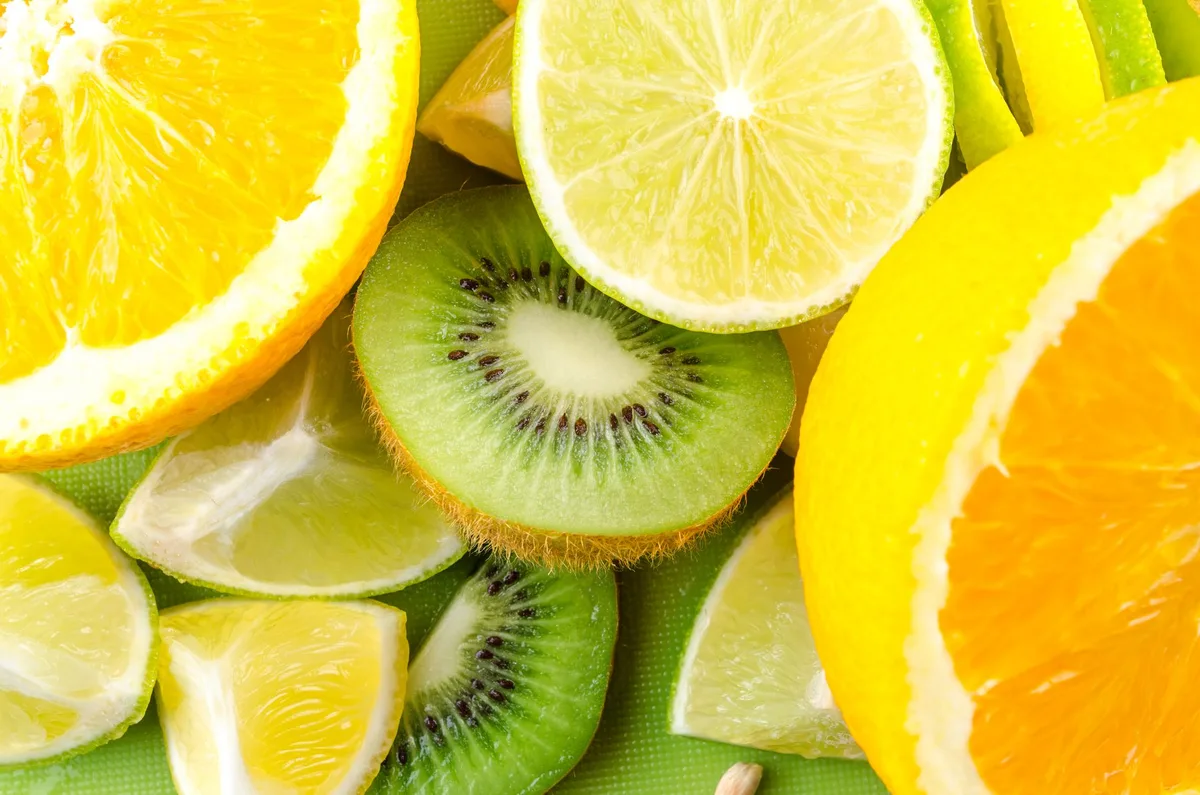
Acidic items can slightly soften tooth enamel, and after a cleaning, your enamel might be more susceptible to this effect, especially if a fluoride treatment was applied. It's wise to let your teeth re-harden and regain their natural strength before exposing them to high acidity. Many common drinks and fruits fall into this category.
- Citrus Fruits and Juices: This includes oranges, lemons, grapefruits, and their juices.
- Tomatoes and Tomato-Based Products: Sauces and fresh tomatoes can be acidic.
- Sodas and Carbonated Drinks: The fizziness often comes with added acids.
- Vinegar-Based Dressings: Many salad dressings fall into this group.
If you're craving fruit, opt for lower-acid options like bananas or melons. Water is always your safest bet for hydration immediately after your appointment. Avoiding these aligns with broader recommendations for maintaining acid balance in the mouth to protect tooth structure.
Hard, Crunchy Items
While less common than sensitivity to temperature or acidity, some individuals may find hard foods uncomfortable if their gums are slightly inflamed or tender after the cleaning process. These foods require significant force to break down.
- Potato Chips and Hard Pretzels: The sharp edges and density can be jarring.
- Raw Carrots and Celery: These require a good amount of crunching.
- Nuts and Seeds: Their hard exterior can be problematic.
If you're unsure, it's always best to stick to softer options for the first day. This minimizes any potential strain on your teeth and gums.
Pigmented Foods and Sauces
This category is more about preserving the polish and shine achieved during your cleaning. Certain highly pigmented foods and drinks can leave temporary stains, especially if your enamel temporarily feels more porous after the scaling and polishing.
- Berries: Blueberries, raspberries, and blackberries.
- Red Wine: A well-known culprit for staining.
- Soy Sauce and Dark Sauces: Think balsamic glazes or curries.
- Beets: Their rich color can transfer.
While these stains are usually superficial and temporary, avoiding them for the first day helps maintain that fresh-from-the-dentist sparkle. For a deeper look into foods that affect teeth, consider exploring What Can I Eat After Deep Cleaning which offers guidance on eating habits post-dental procedures.