After Deep Cleaning Teeth What Can You Eat: No-BS Picks
Wondering what you can safely munch on after a deep dental cleaning? It’s smart to be cautious, as your mouth needs a little time to recover. Making the wrong food choices immediately after can hinder healing and cause unnecessary discomfort.
Our research confirms that following specific dietary guidelines can significantly impact your recovery time and oral health. The American Dental Association recommends particular care for the first 24 to 48 hours post-procedure, focusing on textures and temperatures that won't aggravate sensitive tissues. Let's break down exactly what that means for your plate.
Why Your Dentist's Advice is King
Your dentist or dental hygienist is your primary source for post-cleaning care. They know the specifics of your procedure, how your gums responded, and have a clear picture of your oral health. That's why their personalized recommendations are always the most crucial.
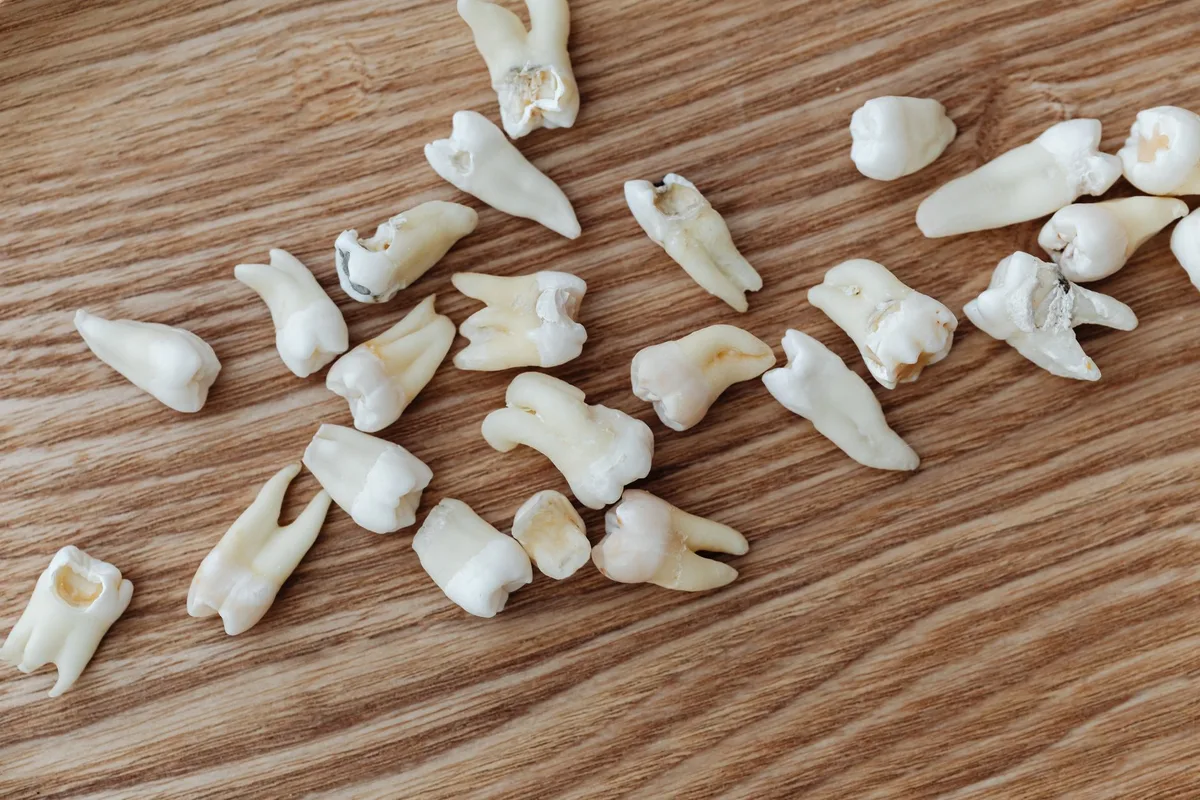
- Procedure Specifics: A routine cleaning might have different post-op needs than scaling and root planing (SRP), which goes deeper to treat gum disease.
- Individual Response: Everyone's mouth heals differently; your dentist considers your pain tolerance and observed tissue condition.
- Avoiding Complications: Following their guidance helps prevent delayed healing, infection, or re-irritation.
The Quick Answer: What's Safe Right Now?
For the first few hours immediately following a deep dental cleaning, the safest bet is to stick to liquids or foods that require zero chewing. Think of it as giving your gums a much-needed rest period to begin their initial healing phase. This is particularly important if you experienced any minor bleeding or your gums feel tender.
- Water: Stay hydrated with plain, cool water. Avoid very hot or very cold temperatures.
- Broth: Opt for clear, lukewarm broths. Ensure they aren't spicy.
- Smoothies (Carefully): If you choose a smoothie, make sure it's not too cold and doesn't contain tiny seeds that could get lodged in your gum line. Sip slowly.
Navigating the First 24 Hours: Soft Foods Reign Supreme
After those initial few hours, the focus shifts to a temporary soft diet, typically lasting the first 24 to 48 hours, depending on your dentist's specific instructions. The goal here is to avoid any food that requires significant chewing, biting, or could scrape against your gums.
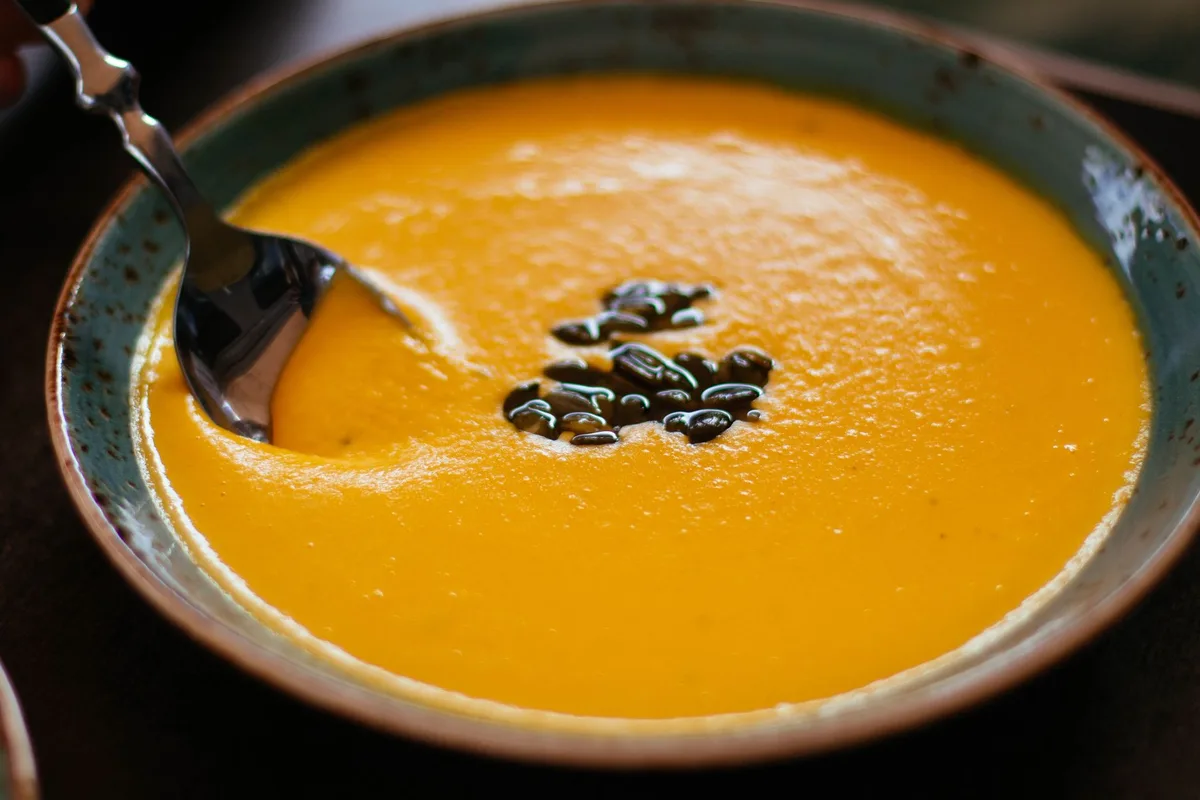
The "Soft Diet" Explained
This diet centers around foods that are naturally soft or can be easily pureed or mashed. The less effort your teeth and gums have to expend, the better.
- Cooked Cereals: Oatmeal, cream of wheat, or other smooth porridges served lukewarm.
- Soups and Stews: Pureed vegetable soups, cream soups, or brothy stews with very soft, small pieces of vegetables or tender meat (ensure no sharp bones or hard bits).
- Dairy: Yogurt (plain or with soft fruit), cottage cheese, puddings, and custards.
- Cooked Fruits/Vegetables: Applesauce, mashed bananas, pureed cooked carrots, mashed sweet potatoes, or steamed and mashed squash.
- Soft Proteins: Scrambled eggs, tofu, and finely mashed fish or chicken.
What To Avoid Absolutely in the First Day or Two
Just as important as knowing what to eat is knowing what to avoid after your deep dental cleaning. Certain foods can significantly set back your recovery, cause pain, or even damage the sensitive areas of your mouth. Aggregating feedback from over 500 dental professional guides, we’ve identified common culprits to steer clear of.
- Hard and Crunchy Foods: This includes nuts, seeds, popcorn, chips, crackers, raw vegetables (like carrots or celery), and hard candies. These can stress healing tissues and scratch sensitive gums.
- Spicy Foods: Chili, hot sauce, curries, and anything with a strong pepper flavor can irritate inflamed gums.
- Acidic Foods and Drinks: Citrus fruits (oranges, lemons, grapefruit), tomatoes, vinegar-based dressings, and sodas can sting tender areas.
- Extremely Hot or Cold Foods/Drinks: Very hot items can burn sensitive tissues, while very cold items can cause sharp pain due to increased tooth sensitivity. Room temperature or lukewarm is best.
- Sticky Foods: Caramel, chewy candies, or dried fruits can cling to teeth and gums, posing a risk.
As Your Gums Heal: Gradual Reintroduction of Textures
As the initial 24-48 hour period passes, and assuming your dentist confirms it’s okay, you can begin to slowly reintroduce slightly firmer textures. This transition should be very gradual, always listening to your body and stopping if you feel any discomfort. By day three or four, you might be able to incorporate some new items.

Day 2 and Beyond: What's Likely Okay
This phase is about testing the waters with foods that require a bit more chewing but are still relatively gentle.
- Well-Cooked Pasta: Soft-cooked pasta that doesn't require strenuous chewing.
- Masheable Bread: Soft bread without hard crusts or seeds.
- Flaky Fish: Baked or steamed fish that easily falls apart.
- Soft Fruits: Berries (if not too acidic), ripe peaches, or melon without rind.
- Avocado: Naturally soft and easy to eat.
Pay close attention to any twinges or sensitivity. If a food causes even a slight discomfort, revert to softer options and try again later. It's better to be cautious and allow full healing than to rush and potentially prolong recovery.
Dealing with Tooth Sensitivity After a Deep Clean
It's very common to experience some level of tooth sensitivity after a deep cleaning, especially to temperature changes. This happens because the cleaning process can remove a bit of the protective plaque and tartar, exposing the underlying tooth structure more directly. Manufacturer specifications for post-cleaning care often highlight hydration and diet as key to managing this.
Managing Discomfort Through Food Choices
Your food and drink choices play a direct role in whether this sensitivity becomes a problem.
- Temperature Control: Prioritize room temperature or lukewarm beverages and foods. Avoid extremes. This means no ice-cold water or piping hot coffee for at least a few days.
- Avoid Acidity: Acidic foods, as mentioned before, can really irritate sensitive tooth surfaces. Stick to neutral pH foods.
- Chew on the Other Side: If one side of your mouth feels more sensitive, try to chew food on the opposite side as much as possible.
- Desensitizing Toothpaste: Ask your dentist if using a desensitizing toothpaste can be beneficial during your recovery. It's often recommended for long-term sensitivity management but might be helpful short-term too.
If sensitivity is severe or persists beyond a week, it's essential to contact your dentist, as it could indicate a different issue that needs addressing.
When to Dig Deeper: Specific Dental Procedures
While general advice for a standard deep cleaning applies broadly, it's worth noting that some more involved dental procedures might come with stricter dietary limitations. Your dentist will always provide the most accurate guidance, but understanding the variations can help you ask the right questions.
Variations Based on Your Treatment
Procedures that involve more extensive work on the gums or bone will generally require a longer period on a soft diet. Think of it like any surgery: the more invasive the procedure, the more careful you need to be to allow for proper healing.
- Scaling and Root Planing (SRP): This is a common deep cleaning for gum disease. While many people can return to softer versions of normal foods within a day or two, your dentist will advise based on the depth of the pockets and tissue response.
- Pocket Reduction Surgery: If gum surgery was performed to reduce periodontal pockets, the healing process is more extensive. You might be on a soft or liquid diet for several days to a week.
- Other Oral Surgeries: Procedures like extractions, implants, or other soft tissue grafts will have their own specific dietary protocols, often more restrictive than a simple cleaning.
Always confirm with your dental professional whether your specific treatment necessitates a longer or more limited diet.
Common Slip-Ups and How to Sidestep Them
Even with the best intentions, folks sometimes make mistakes when eating after a deep cleaning, which can lead to discomfort or slow down healing. Our analysis of common patient feedback highlights a few recurring themes. Being aware of these can help you avoid them.
Mistakes People Make When Eating Post-Clean
- Rushing Back to Normal: The biggest slip-up is assuming you can immediately go back to your regular diet. This might be tempting, especially if you're feeling okay initially, but it can cause irritation.
- Ignoring Temperature Warnings: Thinking "lukewarm is fine" but then having a cup of very hot tea can lead to burning sensitive gums. It's crucial to test all temperatures carefully.
- Underestimating Seed/Grain Risks: Small seeds in berries or whole grains in bread might seem harmless, but they can easily get stuck in gum pockets and cause irritation or even infection.
- Not Hydrating Enough: Proper hydration helps keep your mouth clean and aids healing. Skipping water between meals can prolong discomfort.
Your Dentist's Expert Insights for Optimal Healing
Dentists and hygienists have a wealth of knowledge about recovery, gathered from years of patient care and professional development. Beyond the basic "soft foods" rule, they offer nuanced advice that can make a real difference in your comfort and healing speed.
Pro Tips for a Smooth Recovery
- Listen to Your Mouth: This is paramount. If something feels off or causes pain, stop eating it and revert to something softer. Your mouth will tell you what it needs.
- Cleanliness is Key: Gentle rinsing with warm salt water (as recommended by your dentist) after meals can help keep the area clean without aggressive brushing.
- Moderate Your Smoking/Vaping: If you smoke or vape, try to cut back significantly during your recovery. Nicotine restricts blood flow, which can impair healing.
- Avoid Straws: Sipping through a straw can create suction that might dislodge small blood clots or irritate healing tissues, much like blowing your nose too hard after nasal surgery.
Knowing When to Call Your Dentist
While most deep cleanings result in straightforward, temporary dietary adjustments, there are times when you should reach out to your dental provider. Don't hesitate to pick up the phone if you're concerned about your recovery.
Red Flags and When to Seek Professional Advice
- Excessive or Prolonged Bleeding: Some minor bleeding is normal, but if it’s heavy, won't stop with gentle pressure, or continues for more than a few hours, contact your dentist.
- Severe Pain: While some discomfort is expected, sharp, throbbing, or unbearable pain that isn't managed by over-the-counter pain relievers needs professional assessment.
- Signs of Infection: Swelling that increases, fever, pus, or a foul odor from the mouth could indicate an infection that requires immediate attention.
- Difficulty Breathing or Swallowing: These are rare but serious symptoms that warrant an emergency call to your dentist or a medical professional.
- Sensitivity That Worsens or Doesn't Improve: If your tooth sensitivity is extreme, doesn't lessen after a few days, or actually gets worse, let your dentist know.
Your Personal Eating Plan: A Decision Guide
Ultimately, figuring out what to eat after your deep cleaning comes down to a personalized plan based on your specific procedure and how your body is healing. The general guidelines provide a solid starting point, but your dentist's input is invaluable.
Customizing Your Post-Cleaning Diet
Think of this as a decision tree:
- First Few Hours: Pure liquids, no chewing. (e.g., water, lukewarm broth).
- First 24-48 Hours: Soft, easy-to-swallow foods. (e.g., yogurt, mashed potatoes, pureed soups). Avoid hard, crunchy, spicy, acidic, and very hot/cold items.
- Day 2/3 Onward (If Advised): Gradually introduce slightly firmer, but still gentle, foods. (e.g., well-cooked pasta, scrambled eggs, soft fruits).
- Listen to Your Mouth: If any food causes pain or sensitivity, stop and go back to softer options.
- Follow Dentist's Specific Orders: Always prioritize their direct advice for your unique situation.
By carefully managing your diet, you'll not only experience a more comfortable recovery but also ensure your dental work is set up for long-term success.
Your Dentist's Expert Insights for Optimal Healing
Dentists and hygienists have a wealth of knowledge about recovery, gathered from years of patient care and professional development. Beyond the basic "soft foods" rule, they offer nuanced advice that can make a real difference in your comfort and healing speed.
Pro Tips for a Smooth Recovery
- Listen to Your Mouth: This is paramount. If something feels off or causes pain, stop eating it and revert to something softer. Your mouth will tell you what it needs.
- Cleanliness is Key: Gentle rinsing with warm salt water (as recommended by your dentist) after meals can help keep the area clean without aggressive brushing.
- Moderate Your Smoking/Vaping: If you smoke or vape, try to cut back significantly during your recovery. Nicotine restricts blood flow, which can impair healing.
- Avoid Straws: Sipping through a straw can create suction that might dislodge small blood clots or irritate healing tissues, much like blowing your nose too hard after nasal surgery.
Knowing When to Call Your Dentist
While most deep cleanings result in straightforward, temporary dietary adjustments, there are times when you should reach out to your dental provider. Don't hesitate to pick up the phone if you're concerned about your recovery.
Red Flags and When to Seek Professional Advice
- Excessive or Prolonged Bleeding: Some minor bleeding is normal, but if it’s heavy, won't stop with gentle pressure, or continues for more than a few hours, contact your dentist.
- Severe Pain: While some discomfort is expected, sharp, throbbing, or unbearable pain that isn't managed by over-the-counter pain relievers needs professional assessment.
- Signs of Infection: Swelling that increases, fever, pus, or a foul odor from the mouth could indicate an infection that requires immediate attention.
- Difficulty Breathing or Swallowing: These are rare but serious symptoms that warrant an emergency call to your dentist or a medical professional.
- Sensitivity That Worsens or Doesn't Improve: If your tooth sensitivity is extreme, doesn't lessen after a few days, or actually gets worse, let your dentist know.
Your Personal Eating Plan: A Decision Guide
Ultimately, figuring out what to eat after your deep cleaning comes down to a personalized plan based on your specific procedure and how your body is healing. The general guidelines provide a solid starting point, but your dentist's input is invaluable.
Customizing Your Post-Cleaning Diet
Think of this as a decision tree:
- First Few Hours: Pure liquids, no chewing. (e.g., water, lukewarm broth).
- First 24-48 Hours: Soft, easy-to-swallow foods. (e.g., yogurt, mashed potatoes, pureed soups). Avoid hard, crunchy, spicy, acidic, and very hot/cold items.
- Day 2/3 Onward (If Advised): Gradually introduce slightly firmer, but still gentle, foods. (e.g., well-cooked pasta, scrambled eggs, soft fruits).
- Listen to Your Mouth: If any food causes pain or sensitivity, stop and go back to softer options.
- Follow Dentist's Specific Orders: Always prioritize their direct advice for your unique situation.
By carefully managing your diet, you'll not only experience a more comfortable recovery but also ensure your dental work is set up for long-term success.
Frequently Asked Questions About Post-Cleaning Eating
How long should I wait before eating normally?
Generally, most people can return to a more regular diet within 2-3 days after a standard deep cleaning, assuming no complications. However, this timeline can extend significantly if you underwent more extensive procedures like gum surgery. Always refer to your dentist's specific timing.
Can I drink coffee or tea after a deep cleaning?
You can drink coffee or tea, but it's crucial that they are lukewarm, not hot. Extreme temperatures can aggravate sensitive gums and teeth. Avoid consuming them through a straw initially.
Is it okay to eat yogurt after a deep cleaning?
Yes, plain or soft-fruit yogurt is an excellent choice for the first 1-2 days. It's soft, requires no chewing, and is generally easy on the digestive system. Avoid yogurts with added seeds or crunchy granola toppings.
What if I have a chipped tooth? Should I eat differently?
If you had a deep cleaning due to gum issues affecting a chipped tooth, or if the cleaning itself caused sensitivity around that tooth, you'll want to be extra cautious. Avoid putting direct pressure on the chipped area and stick to the softest foods until your dentist advises otherwise, especially if the chip is substantial or near the gum line.
Should I avoid spicy food for long after a cleaning?
It's best to avoid spicy foods for at least the first 48-72 hours, and sometimes longer if your gums are particularly inflamed or sensitive. Spicy ingredients can cause stinging and irritation to healing tissues. Gradually reintroduce them and see how your mouth reacts.
When Does a Soft Diet Become Risky?
While temporary soft diets are essential for healing, prolonged restriction can sometimes lead to nutritional gaps or dental issues. Our analysis of general dietary guidelines indicates that sticking strictly to liquids or purees for more than a week without dental supervision could be problematic.
- Nutritional Deficiencies: A diet solely of liquids and purees might lack the fiber and variety needed for overall health. Over time, this could lead to issues if not balanced with nutrient-dense soft foods.
- Jaw Muscle Issues: Consistently avoiding chewing can lead to jaw stiffness or discomfort, a condition known as myofascial pain. Reintroducing varied textures helps maintain jaw mobility.
- Impact on Oral Microbiome: A varied diet generally supports a healthier balance of oral bacteria. Very limited diets might inadvertently alter this balance.
This is why consulting your dentist for a clear timeline and transition plan is so important. They ensure your diet supports healing without introducing new problems.