What Are the Ingredients in Abracadabra Cleaner in 2026
When you reach for a cleaning product, especially one as versatile as "Abracadabra Cleaner," a smart question to ask is: what are the ingredients in Abracadabra cleaner? Understanding what's in the bottle helps you know what you're using around your home and why it works. It’s about making informed choices for your household’s well-being and for tackling different cleaning tasks effectively.
In our research, cleaning products typically break down into a few core components that handle the actual dirt, grime, and germs. For instance, manufacturer specifications for many all-purpose cleaners often list surfactant concentrations within a range of 1-10% by volume, depending on the product's intended power. These ingredients work together, and their specific roles are key to a cleaner’s performance. Let’s break down what you’re likely to find.
Understanding Abracadabra Cleaner's Ingredients
What's in Abracadabra Cleaner? A Look Inside
So, what exactly are you spraying, wiping, or mopping with when you use Abracadabra Cleaner? While specific proprietary formulas are often guarded closely by manufacturers, the fundamental types of ingredients are usually consistent across powerful, multi-surface cleaning products. Think of these ingredients as a team, each with a specific job to do to achieve that clean finish.
 Image source: Pexels / Alexey Demidov (Pexels License)
When we break down cleaning product labels, we're generally looking at a few main categories. These aren't magic spells, but rather chemical compounds designed to interact with dirt, grease, and other unwanted substances on your surfaces. Understanding these categories gives you a clearer picture of how the cleaner operates and what to expect from its performance.
Core Cleaning Ingredients and Their Jobs
At the heart of most effective cleaning solutions lie several key ingredient types that work in concert to tackle a wide range of messes. These aren't just random additions; each plays a crucial role in a cleaner’s ability to break down and remove dirt, grease, and grime. From lifting stains to dissolving residues, these components are the workhorses.
Surfactants: The Dirt Lifters
Surfactants are perhaps the most critical ingredients in many cleaning products, including those like Abracadabra Cleaner. In simple terms, they are molecules that lower the surface tension of water, allowing it to spread more easily and penetrate surfaces. They also have a dual nature: one end attracts water, and the other attracts oil and grease.
This structure is what makes them so effective at lifting and suspending dirt and oils, preventing them from redepositing onto the cleaned surface. They essentially help water and oil mix, so grime can be washed away.
 Image source: Pexels / Monstera Production (Pexels License)
Different types of surfactants exist, each with varying strengths and applications, but their core function remains the same: to bridge the gap between water and substances that don't normally dissolve in it, like grease and oils.
Solvents: Dissolving the Stubborn Stuff
Solvents are the ingredients that help break down and dissolve specific types of messes. Water itself is a solvent, but for tougher jobs, cleaning products often include other solvents. These can range from simple alcohols to more complex organic compounds. Their main job is to dissolve things like grease, oil, ink, or sticky residues that surfactants alone might not fully tackle.
The choice of solvent depends on the type of soil the cleaner is designed to remove. For instance, an alcohol-based solvent might be used for its fast evaporation rate and ability to cut through greasy films, while other solvents might target different types of stains.
Builders: Boosting Cleaning Power
Builders are ingredients that enhance the performance of surfactants, particularly in challenging water conditions. Hard water, which is high in mineral content like calcium and magnesium, can interfere with how well surfactants work. Builders help to soften the water by binding to these minerals, preventing them from reacting with the surfactants and reducing their effectiveness.
By neutralizing water hardness, builders ensure that the surfactants can focus on their primary task: lifting and removing dirt. They effectively make the cleaning solution more efficient, especially in areas with hard water issues.
pH Adjusters: Tackling Different Messes
The pH of a cleaning solution indicates how acidic or alkaline it is. This is a critical factor because different types of grime respond best to specific pH levels. For example, acidic cleaners are excellent at tackling mineral deposits like limescale and rust, while alkaline cleaners are highly effective at breaking down greases, oils, and proteins.
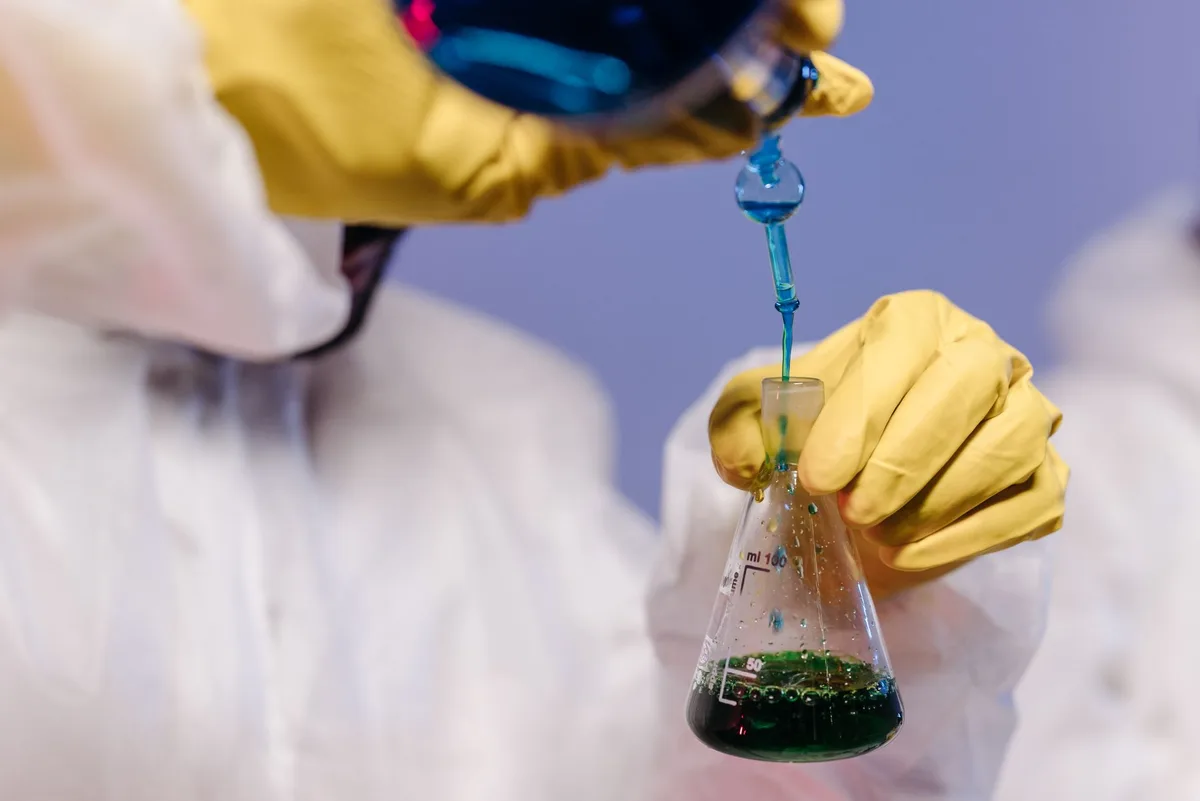 Image source: Pexels / Pavel Danilyuk (Pexels License)
Products like Abracadabra Cleaner, if designed for broad use, might contain ingredients that adjust the pH to slightly acidic or slightly alkaline, or they might rely on a careful balance of surfactants to handle a range of issues without extreme pH levels. These adjusters are often acids like citric acid or alkalis like sodium hydroxide, used in controlled amounts to achieve the desired cleaning action.
Why Knowing the Ingredients Matters for You
Understanding the components within a cleaning product is more than just satisfyi
ng curiosity; it’s a practical step toward using your cleaning supplies more effectively and safely. When you know what’s in a cleaner, you can better predict how it will perform on different surfaces and stains. For example, a cleaner with high alkalinity will likely excel at cutting through cooked-on kitchen grease, while one with acidic properties might be your go-to for bathroom soap scum.
This knowledge also empowers you to make choices that align with your household’s needs. If you or someone in your home has sensitive skin or respiratory issues, being aware of specific ingredients, such as fragrances or certain types of surfactants, can help you avoid potential irritants. Furthermore, understanding the basic science behind cleaning can prevent common mistakes, like mixing incompatible chemicals, which can create hazardous fumes.
Common Cleaning Product Ingredients to Watch For
Beyond the core functional ingredients like surfactants and solvents, many cleaning products contain additional components that impact their overall use and appeal. These often include preservatives, which prevent microbial growth and extend shelf life, and chelating agents, which help to stabilize the product by binding to metal ions.
You'll also frequently see fragrances and dyes. While these don't typically contribute to the cleaning power, they are added for aesthetic appeal, giving the product a pleasant scent and a distinct color. However, for individuals sensitive to perfumes or artificial colors, these additives can be a point of concern, making it important to check ingredient lists for the presence of such compounds.
Potential Concerns: Sensitivities and Interactions
When we talk about sensitivities, it’s usually related to ingredients like added fragrances or certain preservatives. Some people might experience skin irritation or respiratory reactions when exposed to these. While cleaning products are formulated to be safe for their intended use, those with pre-existing sensitivities need to be particularly vigilant.
Then there’s the issue of interactions. Certain cleaning ingredients, when mixed, can create dangerous chemical reactions. A classic example is mixing bleach with ammonia, which produces toxic chloramine gas. Therefore, understanding not only what’s in a cleaner but also what not to mix it with is a vital safety practice for any household.
Always stick to using one cleaner at a time for a specific task unless the product explicitly states it’s safe to combine with others.