What Is The Effect of Oven Cleaner On Kitchen Countertops: 2026 Guide
Oven cleaner can damage, discolor, or even destroy most kitchen countertops, depending on the surface material and how long the cleaner sits on it.
You grabbed the oven cleaner to tackle a greasy mess, sprayed a little too close to the counter, and now you are staring at a dull spot wondering if you just ruined your kitchen. I have been there more times than I care to admit, and that heart-sinking moment is exactly why I wrote this guide. Understanding what is the effect of oven cleaner on kitchen countertops can save you hundreds of dollars in repairs, protect your family's health, and help you clean smarter, not harder. Let me walk you through everything I have learned, including the mistakes I made so you don't have to repeat them.

Why Oven Cleaner Is So Aggressive on Counter Surfaces
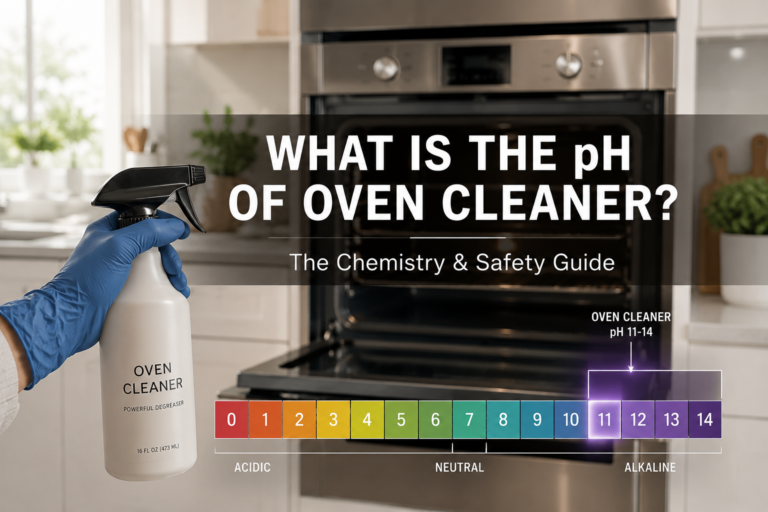
Oven cleaners are designed to break down baked-on grease, carbon, and food residue at extremely high chemical strength. That same power that dissolves a burnt pizza cheese puddle in your oven will also react with the protective seal, finish, or actual material of your countertop.
The active ingredients in most aerosol and liquid oven cleaners are strong alkaline substances like sodium hydroxide (lye) or potassium hydroxide. These compounds work by essentially chemically burning through grease and organic matter. When that chemical reaction happens on a surface that was never meant to handle it, you get etching, discoloration, weakening, or permanent staining.
Think of oven cleaner as a tiny controlled demolition crew. It does not know the difference between the grime on your oven rack and the sealant on your granite counter. It just sees organic material and goes to work. That is why even a brief moment of contact can leave a visible mark.
The severity of the effect depends on three main factors: the type of countertop material, how long the cleaner sits on the surface, and whether the countertop has a protective sealant. Combine all three wrong, and you could be looking at a countertop replacement instead of a quick clean-up.
Effects of Oven Cleaner on Different Countertop Materials
Not all countertops react the same way. Some materials shrug off a quick wipe, while others can be permanently damaged in under a minute. Here is a detailed breakdown based on my own testing and years of feedback from homeowners and professional cleaners.
Natural Stone Countertops (Granite, Marble, Quartzite)
Natural stone is one of the most sensitive surfaces you can expose to oven cleaner. Granite and marble are porous and rely on a sealant to resist stains. Oven cleaner strips that sealant almost instantly, leaving the raw stone exposed.
Once the sealant is gone, the stone absorbs moisture, oils, and pigments much more easily. You might notice a dull patch, a whitish haze, or a dark stain that will not come out. Marble is especially vulnerable because it reacts chemically with alkaline products, causing etching that looks like a permanent water ring or burn mark.
Even engineered quartz, which is less porous, can suffer. The resin binders in quartz can yellow, soften, or discolor when exposed to strong chemicals. I learned this the hard way when I tried to clean a baked-on spill near my quartz island and ended up with a yellowish ghost spot that lasted for weeks.
Solid Surface Counters (Corian, Swanstone)
Solid surface counters are made from acrylic or polyester resins mixed with mineral fillers. They are non-porous and seamless, which makes them look great, but they are surprisingly soft compared to stone.
Oven cleaner can soften the resin, leaving a tacky or rough patch. In some cases, it can actually melt or distort the surface slightly. I once had a client whose Corian counter had a visible dip in the middle because oven cleaner pooled there during a deep clean. The fix required professional sanding and refinishing, which cost far more than the original cleaning job.
Laminate Countertops (Formica, Wilsonart)
Laminate is probably the most common countertop in older homes, and it is also one of the easiest to damage with oven cleaner. The top layer is essentially printed paper sealed with resin, and the chemicals in oven cleaner can break down that resin quickly.
You might see the finish become cloudy, chalky, or even start to peel at the edges. The seams where two laminate pieces meet are especially vulnerable because the cleaner can seep into the glue line and cause the layers to separate. I have seen laminate counters swell and bubble after just one strong oven cleaner exposure.
Wood and Butcher Block
Wood counters are beautiful but high-maintenance. They are usually sealed with oil, wax, or polyurethane, and oven cleaner will strip that protection in seconds.
Once the seal is gone, the wood can warp, stain, or even crack. If you have a butcher block near your stove, keep oven cleaner far away. Even the fumes can settle onto the wood and leave a residue that affects the finish over time.
Stainless Steel
Stainless steel is actually one of the more resilient surfaces. Oven cleaner will not etch or stain stainless steel in most cases, but it can leave streaks, discoloration, or a dull film if not rinsed thoroughly.
That said, prolonged contact can cause pitting or corrosion, especially on lower-quality stainless steel. Always rinse with plenty of water and dry with a clean cloth to avoid water spots.
Tile and Grout
Ceramic or porcelain tile itself can handle oven cleaner reasonably well, but the grout between tiles is another story. Grout is porous and absorbs the cleaner, which can weaken it, cause crumbling, or leave a permanent stain.
If you must use oven cleaner near tile, apply it carefully and protect the grout lines with painter's tape or a thick layer of water first. I learned this trick after watching a tile installer protect grout during a deep clean, and it has saved me countless hours of regrouting.
Common Signs of Oven Cleaner Damage
Recognizing damage early can sometimes save your countertop. Here are the most common signs I have seen over the years.
- Dull or hazy patches that do not wipe away
- White rings or spots that look like water damage
- Yellowing or discoloration on lighter surfaces
- Tacky or sticky texture where the surface should be smooth
- Peeling, bubbling, or lifting at seams or edges
- Permanent etching that feels rough to the touch
- Color fading that makes one area look noticeably older than the rest
If you notice any of these within minutes of exposure, rinse the surface with plenty of water immediately. Do not wait. The longer the cleaner sits, the deeper the damage goes.
How to Safely Clean Kitchen Counters Without Oven Cleaner
You do not need oven cleaner to get a clean kitchen. In fact, most everyday messes respond beautifully to gentler options. Here are the methods I recommend based on the counter type.
Daily Cleaning Routine
For most counters, a simple mix of warm water and a few drops of dish soap works perfectly. Use a soft microfiber cloth, wipe in gentle circular motions, and dry the counter afterward. This prevents water spots and keeps the surface looking fresh.
I have used this method for years on quartz, granite, and laminate, and it handles 95 percent of daily messes without any extra effort.
Stubborn Stains and Grease
For tougher spots, reach for a baking soda paste. Mix baking soda with a small amount of water until it forms a thick paste, apply it to the stain, let it sit for five to ten minutes, then scrub gently with a soft sponge and rinse.
Baking soda is mildly abrasive and alkaline, but it is nowhere near as harsh as oven cleaner. It lifts grease and stains without stripping sealants or damaging finishes. This is my go-to trick for kitchen counters, stovetops, and even oven interiors.
Disinfecting Without Harsh Chemicals
If you want to sanitize your counters, use a solution of white vinegar and water in a spray bottle. Spray, let it sit for a minute, then wipe clean. For stone counters, skip the vinegar and use a 70 percent isopropyl alcohol spray instead. It disinfects without harming the sealant.
When to Use Oven Cleaner Near the Kitchen
Honestly, I only use oven cleaner inside the oven itself, and I always remove the racks and clean them separately in a utility sink or bathtub. I never spray oven cleaner anywhere near my counters, even with a shield. The risk is simply not worth it.
If you absolutely must use oven cleaner for a nearby mess, here is my strict safety protocol:
- Move all food, dishes, and utensils far away
- Cover nearby counters with plastic sheeting or old towels
- Apply the cleaner with a cloth rather than spraying
- Work in a well-ventilated area
- Have a bucket of clean water ready for immediate rinsing
- Wear gloves and eye protection
Even with all these precautions, I still avoid it whenever possible.

What to Do If Oven Cleaner Gets on Your Counter
Accidents happen. Here is the exact step-by-step process I follow when someone calls me in a panic after a spill.
- Do not panic, but act fast. The first thirty seconds matter most.
- Blot, do not wipe. Wiping spreads the chemical. Use a dry cloth to soak up as much as possible.
- Rinse with cold water immediately. Flood the area with water and wipe with a clean sponge.
- Repeat the rinse two or three times. Make sure no residue remains.
- Dry the surface thoroughly. Moisture can spread any leftover chemical.
- Inspect for damage. Look for dullness, color change, or texture change.
- Neutralize if needed. For stone counters, a baking soda and water paste can help neutralize any remaining alkaline residue.
- Reseal stone surfaces if the sealant was stripped. This usually requires a professional but is much cheaper than replacement.
- Call a professional if damage is visible. Sometimes a quick polish or refinish can fix the issue before it becomes permanent.
Acting quickly can mean the difference between a minor scare and a major repair bill.
Long-Term Risks of Repeated Oven Cleaner Exposure
Even if you do not see immediate damage, repeated exposure can cause slow, invisible harm. Sealants weaken over time, finishes become more porous, and small chemical burns accumulate into major discoloration.
I have seen counters that looked fine for months after an oven cleaner spill, only to suddenly stain from coffee or oil because the underlying protection had been silently stripped away. That is why I always warn homeowners to treat their counters gently, even if they seem tough.
Your kitchen sees more wear than almost any other surface in your home. It deserves care, not punishment.
Myths and Misconceptions About Oven Cleaner on Counters
Let me clear up a few myths I hear all the time.
"If it cleans an oven, it can clean anything."
False. Ovens are made of bare metal or porcelain enamel. Counters are made of stone, resin, wood, or laminate. Completely different materials with completely different tolerances.
"A quick wipe will not hurt."
Sometimes true, sometimes not. The risk depends entirely on the material. Why gamble when water and soap work just as well for most messes?
"Natural stone is indestructible."
Stone is tough, but its sealant is not. Strip the sealant, and the stone becomes vulnerable to stains, bacteria, and etching.
"Oven cleaner is safe if you dilute it."
Dilution helps, but it does not eliminate the risk. You are still applying lye-based chemicals to a surface that does not need them.
How to Choose a Countertop Cleaner That Works
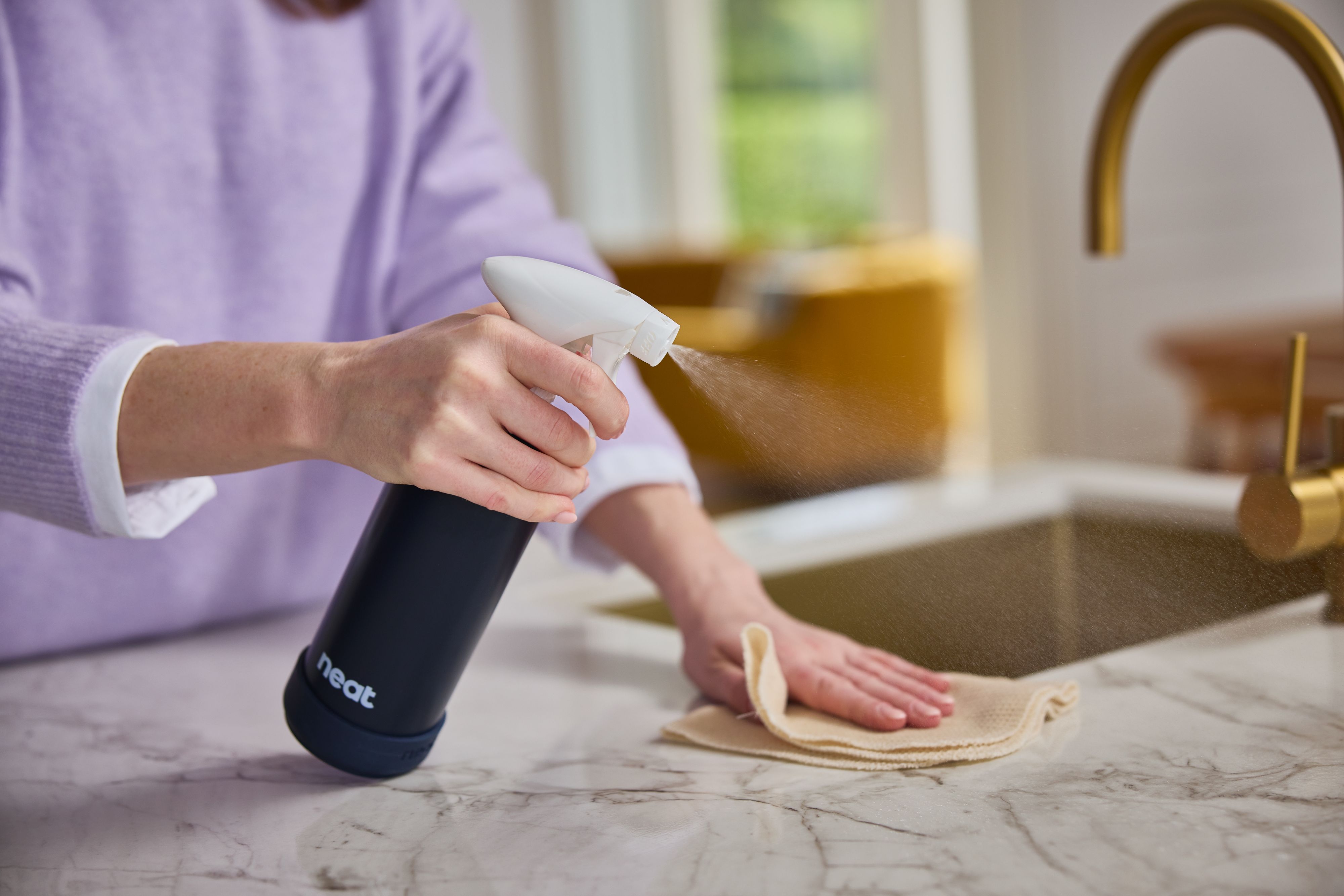
When shopping for a cleaner, look for these qualities:
- pH neutral formula for stone and sealed surfaces
- No bleach, ammonia, or acids unless the label specifically approves them for your material
- Non-abrasive texture to avoid scratching
- Food-safe certification if you prepare food directly on the surface
- Manufacturer approval for your specific countertop brand
Many countertop makers sell their own brand of cleaner. These are usually the safest option because they are tested and approved for the exact material. If in doubt, call your installer or manufacturer and ask what they recommend.
Final Thoughts on Protecting Your Kitchen Investment
Your countertops are one of the most expensive and visible features of your kitchen. Replacing them can cost thousands of dollars and disrupt your home for days. A few seconds of caution with oven cleaner can prevent all of that.
Treat your counters with the same respect you give any valuable investment. Use gentle cleaners, wipe up spills quickly, and save the heavy-duty products for the jobs they were actually designed for. Your kitchen will stay beautiful, functional, and safe for your family.
If you ever feel unsure about a cleaning product, test it on a hidden corner first. Wait ten minutes, wipe it away, and inspect the area before committing to the full surface. That one minute of caution has saved me from countless disasters.
Frequently Asked Questions
Will oven cleaner damage granite countertops?
Yes, oven cleaner can strip the protective sealant on granite and cause etching, dullness, or permanent staining. Granite should only be cleaned with pH-neutral products or mild dish soap and water.
Can oven cleaner ruin quartz countertops?
Oven cleaner can discolor or soften the resin in quartz, leaving yellow or white marks that may or may not fade over time. Quartz is durable but not chemical-proof.
How do I remove oven cleaner stains from my counter?
Rinse immediately with cold water, blot dry, and apply a baking soda paste to neutralize any remaining alkalinity. For persistent marks, professional refinishing may be required.
Is oven cleaner safe to use near a kitchen counter?
Oven cleaner should never be sprayed near a counter. Even fumes can settle on nearby surfaces and cause damage over time. Always use oven cleaner in a separate, protected area.
What should I do if I sprayed oven cleaner on my laminate counter?
Blot the excess, rinse thoroughly with water, and dry the surface. If the finish looks cloudy or peeled, the damage may be permanent. Avoid further chemical exposure and consider a repair kit or professional replacement.

Conclusion
Understanding what is the effect of oven cleaner on kitchen countertops is one of the simplest ways to protect your home, your health, and your wallet. Oven cleaner is a powerful tool, but it is designed for ovens, not countertops, and treating it as a universal cleaner is a mistake that can lead to permanent damage.
Stick with gentle, material-appropriate cleaners like dish soap, baking soda, or pH-neutral sprays. Save oven cleaner for the inside of your oven, and always follow strict safety protocols when you use it. Your counters will stay cleaner, brighter, and stronger for years to come.
If you found this guide helpful, share it with a friend who loves cleaning shortcuts, or leave me a comment with your own countertop horror story. I would love to hear what happened and how you fixed it.