What Are The Tools Helpful For Commercial Kitchen Equipment Cleaning: Best 2026 Guide
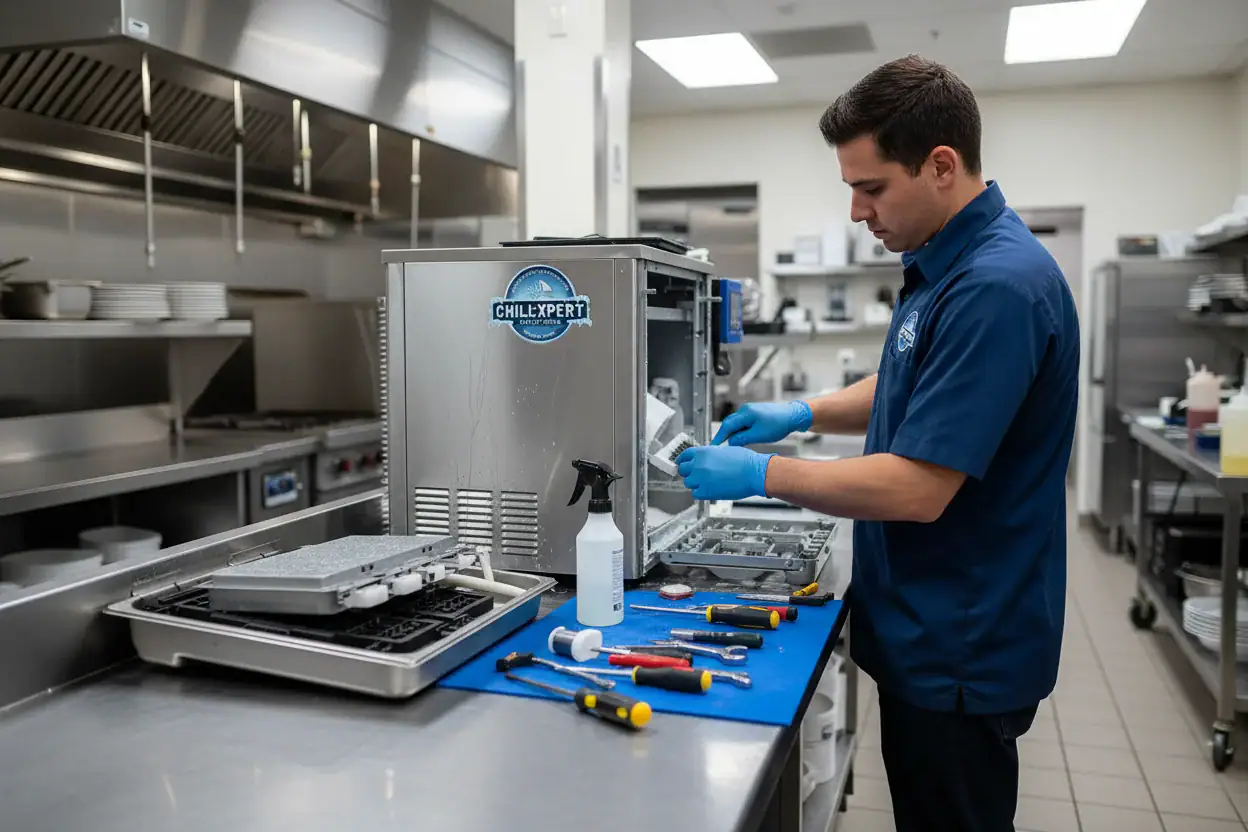
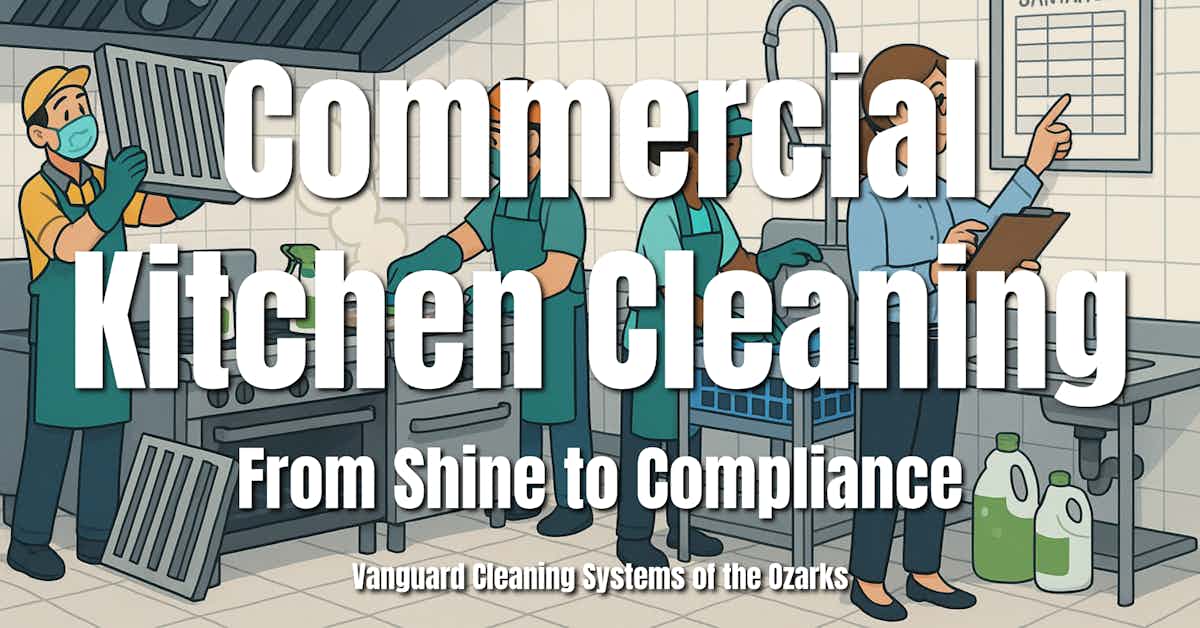
Commercial kitchen equipment cleaning relies on degreasers, steam cleaners, scrub brushes, microfiber cloths, pressure washers, and sanitizing solutions to keep tools safe and spotless. If you run a busy restaurant, catering kitchen, or food prep space, you already know that grease, grime, and food residue build up fast, and the right tools make all the difference between a clean workspace and a health hazard. I've spent years working alongside chefs and kitchen managers, and I can tell you firsthand that a solid cleaning routine protects your equipment, your staff, and your reputation. In this guide, I'll walk you through the essential tools that actually work, share practical tips from real kitchen experience, and help you build a cleaning system that saves time and keeps your operation running smoothly.

Essential Cleaning Tools for Commercial Kitchens
Every commercial kitchen needs a core set of tools to handle daily messes, deep cleans, and everything in between. Let me break down the must-haves.
Degreasers and Chemical Cleaners
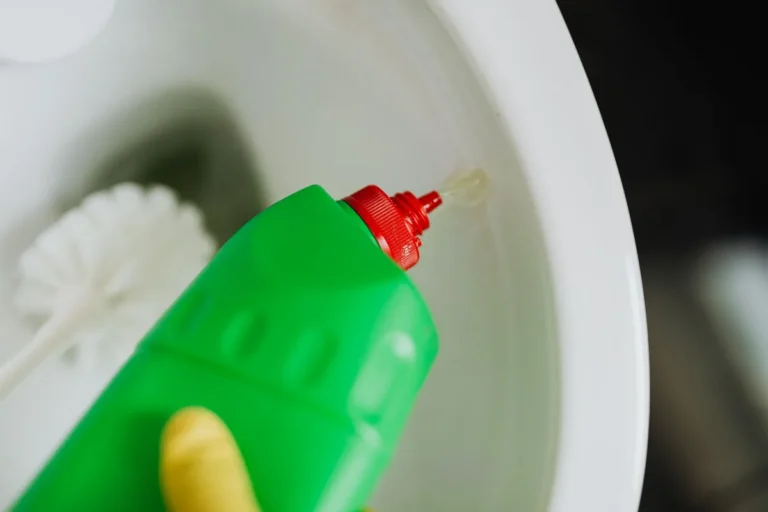
Degreasers are the backbone of any commercial kitchen cleaning routine. They break down tough grease on ovens, grills, hoods, and stovetops.
- Alkaline degreasers cut through heavy grease on cooking surfaces
- Acidic cleaners remove mineral buildup and rust on stainless steel
- Sanitizing solutions kill bacteria on prep tables and cutting boards
- Oven and grill cleaners tackle baked-on carbon and food residue
I learned the hard way that not all cleaners are safe for every surface. One time I used a harsh acid cleaner on aluminum trays, and it left permanent marks. Always check the label and test a small spot first.
Scrub Brushes and Scouring Pads
Brushes and pads do the physical work of loosening stuck-on food and grime. Different shapes serve different purposes.
- Nylon scrub brushes work well on pots, pans, and prep surfaces
- Stainless steel scouring pads handle heavy-duty grill and oven cleaning
- Detail brushes with stiff bristles get into corners, vents, and tight spaces
- Non-scratch scrub pads protect delicate surfaces like non-stick coatings
A good rule of thumb is to keep separate brushes for different zones. Color-coded brushes help prevent cross-contamination between raw meat areas and produce stations.
Microfiber Cloths and Towels
Microfiber picks up grease, dust, and bacteria far better than cotton rags. It's a game changer for finishing touches.
- Lint-free microfiber cloths polish stainless steel without streaks
- Heavy-duty microfiber towels absorb spills and dry equipment fast
- Color-coded cloths designate use for specific zones to avoid cross-contamination
In my experience, switching to microfiber cut our final wipe-down time in half. Plus, they're reusable and hold up to hundreds of washes.
Specialized Equipment for Deep Cleaning
Beyond the basics, some tools make deep cleaning faster, safer, and more thorough. These are worth the investment if you want professional results.
Steam Cleaners
Steam cleaners use high-heat vapor to sanitize and remove grease without harsh chemicals. They're perfect for health-focused kitchens.
- They dissolve grease on tiles, grout, and floors
- They sanitize food prep surfaces without leaving chemical residue
- They reach into small crevices that brushes can't access
A steam cleaner saved us during a surprise health inspection. The inspector was impressed by how clean our tile floors looked without any strong chemical smell.
Pressure Washers
Pressure washers blast away caked-on grease and food particles from floors, walls, and outdoor equipment.
- Electric pressure washers work well indoors with lower noise and no fumes
- Gas-powered models handle heavy outdoor cleaning like dumpster pads
- Hot water pressure washers melt grease faster than cold water
Just be careful with the pressure setting. Too high, and you can damage seals, gaskets, or even strip paint.
Commercial Vacuum Cleaners
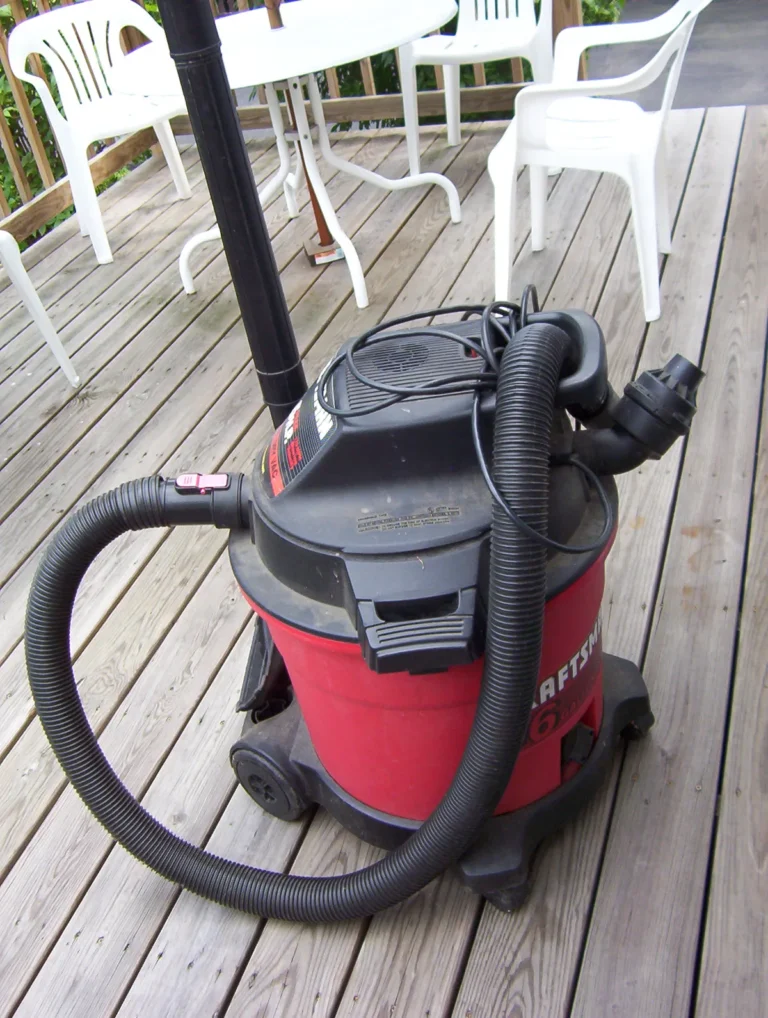
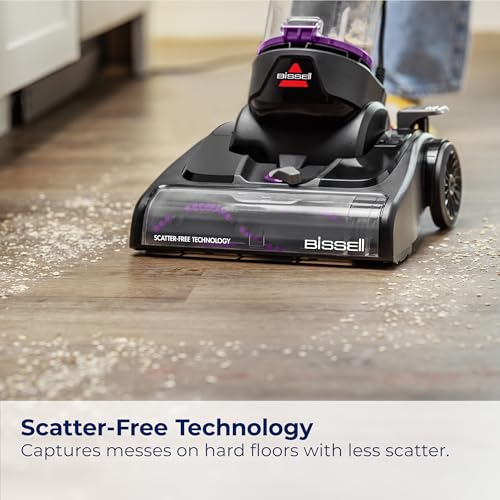
Wet/dry vacuums handle liquid spills, food debris, and dry crumbs in one go.
- They clean up grease spills safely without spreading contamination
- They pick up fine particles from floors and crevices
- They work well in walk-in coolers and freezers
We use ours daily to clean under prep tables and along floor drains. It's one of those tools you don't realize you need until you have one.
Tools for Stainless Steel and Delicate Equipment
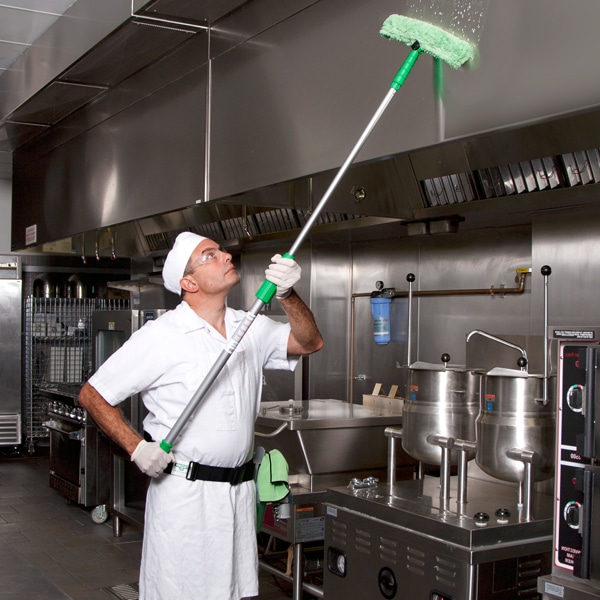
Stainless steel is everywhere in commercial kitchens, but it scratches easily and shows fingerprints. The right tools keep it looking sharp.
Stainless Steel Polish and Cleaning Solutions
Specialty polishes restore shine and protect surfaces.
- Oil-based polishes leave a protective layer that resists fingerprints
- Water-based cleaners cut through smudges without leaving residue
- Stainless steel wipes offer quick touch-ups between deep cleans
Always wipe in the direction of the grain. It makes a huge difference in how polished the surface looks.
Soft-Bristle Brushes and Polishing Pads
Gentle tools prevent scratches while still removing grime.
- Soft nylon brushes clean detailed stainless steel parts without damage
- Foam polishing pads apply polish evenly across large surfaces
- Microfiber applicators work well for final buffing
Rubber Squeegees
Squeegees push water and cleaning solution off flat surfaces without leaving streaks.
- Floor squeegees speed up drying time on tile and concrete
- Handheld squeegees clean windows, glass doors, and sneeze guards

Daily vs. Deep Cleaning Tools
Knowing which tools to use when keeps your kitchen safe and your equipment lasting longer. Here's how I separate my toolkit.
Daily Cleaning Essentials
These are the tools you reach for every single shift.
- Microfiber cloths and paper towels for quick wipe-downs
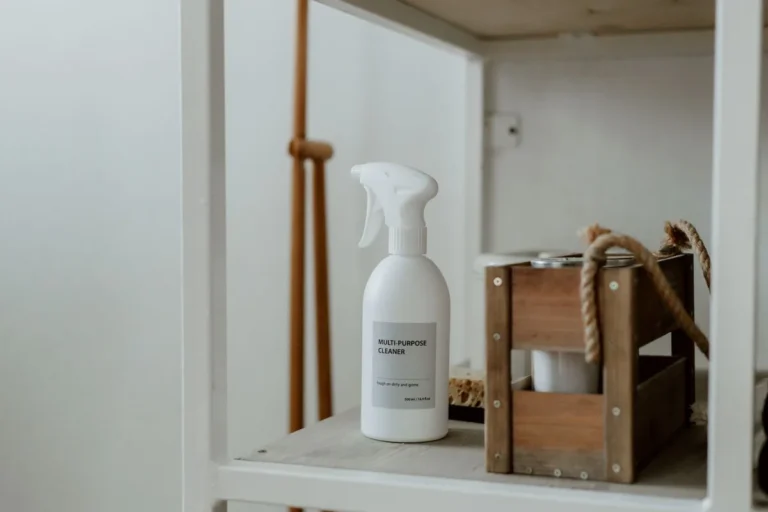
- Spray bottles with sanitizer for prep surfaces
- Scrub brushes for pots and pans during service
- Trash bins and liners to manage waste quickly
Weekly and Monthly Deep Cleaning Tools
These come out for scheduled deep cleans.
- Steam cleaners for tile, grout, and hard-to-reach areas
- Pressure washers for floors, walls, and exhaust hoods
- Heavy-duty degreasers for ovens, grills, and fryers
- Specialty brushes for drains, vents, and exhaust fans
I recommend building a cleaning checklist. It keeps your team accountable and ensures nothing gets missed.
Safety Gear and Best Practices
Cleaning tools aren't just about effectiveness. They're about safety. Commercial kitchen cleaning often involves heat, chemicals, and slippery surfaces.
Personal Protective Equipment
Protect yourself before you start scrubbing.
- Heat-resistant gloves protect against burns from ovens and grills
- Chemical-resistant gloves prevent skin irritation from cleaners
- Safety goggles shield your eyes from splashes and fumes
- Non-slip footwear reduces the risk of falls on wet floors
Proper Storage and Organization
A clean tool is a safe tool.
- Keep chemicals in clearly labeled containers away from food prep areas
- Store brushes and pads in dry, ventilated spaces to prevent bacteria growth
- Replace worn-out tools regularly. Frayed brushes and torn microfiber don't clean well
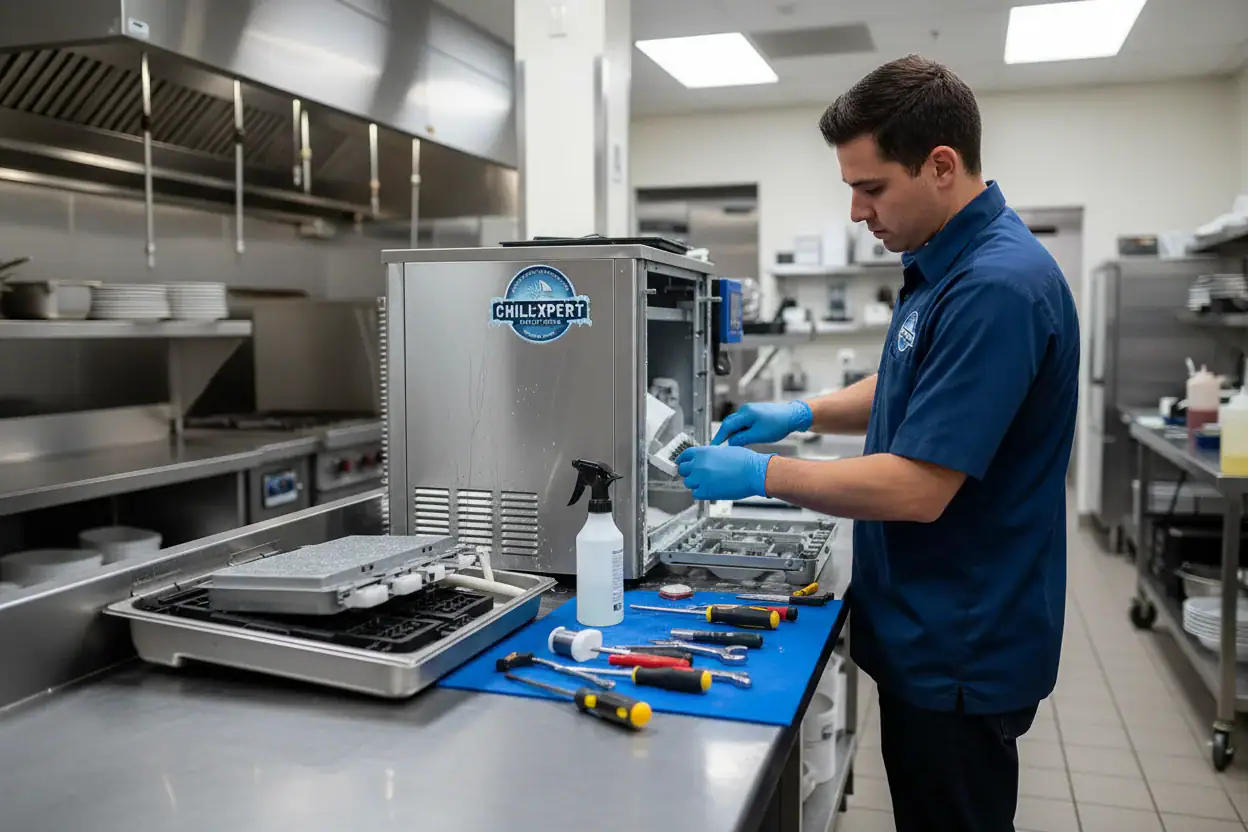
One of the best habits you can build is cleaning your cleaning tools. I sanitize our microfiber cloths daily and replace scrub pads weekly. It makes a real difference.
Building a Complete Cleaning System
The right tools are only half the battle. You also need a system that works. Here's how I recommend setting it up.
Create Zone-Specific Kits
Different areas need different tools.
- Prep station kit: microfiber, sanitizer spray, color-coded cloths
- Cooking line kit: heavy degreaser, grill brick, scraper, heat-resistant gloves
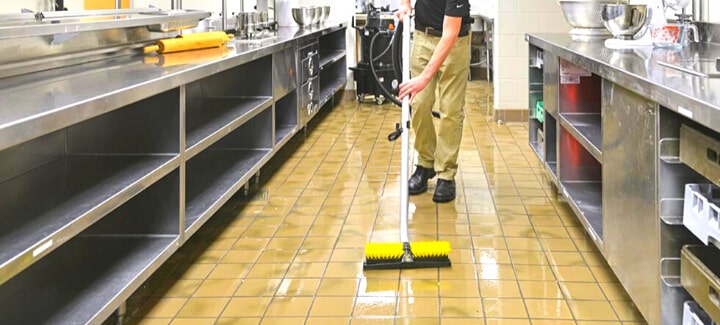
- Floor cleaning kit: mop, bucket, wet vacuum, squeegee
Train Your Team
Even the best tools fail without proper training.
- Show staff how to use each tool safely
- Explain why certain cleaners can't be mixed
- Make cleaning expectations part of every shift
Schedule Regular Deep Cleans
Set a recurring calendar reminder.
- Daily wipe-downs during and after each shift
- Weekly deep cleans of ovens, grills, and hoods
- Monthly full kitchen reset including floors, walls, and storage
When I managed a high-volume kitchen, we did a full deep clean every Sunday. It kept us inspection-ready and extended the life of our equipment.
Frequently Asked Questions
What is the most important tool for commercial kitchen cleaning?
A high-quality degreaser paired with microfiber cloths is the most important combination. It handles the majority of daily messes and keeps stainless steel looking professional without scratching or streaking.
How often should commercial kitchen equipment be deep cleaned?
Deep cleaning should happen at least once a week for cooking equipment like ovens, grills, and fryers. Exhaust hoods, floors, and walls should be deep cleaned monthly to prevent grease buildup and fire hazards.
Can I use household cleaning products in a commercial kitchen?
Household products are not recommended. Commercial kitchen cleaners are formulated to handle heavier grease loads, meet health code standards, and work faster on industrial-grade equipment.
What tools help prevent cross-contamination during cleaning?
Color-coded cloths, brushes, and mops are the best tools for preventing cross-contamination. Assign specific colors to raw meat, produce, dairy, and general areas so cleaning tools never get mixed between food types.
Are steam cleaners safe for all commercial kitchen surfaces?
Steam cleaners are safe for most hard surfaces like tile, stainless steel, and concrete. However, they should not be used on electrical components, sealed wood, or any surface that can be damaged by high heat and moisture.
Final Thoughts
A clean commercial kitchen isn't just about looks. It's about food safety, equipment longevity, and team morale. The right tools make cleaning faster, easier, and more effective, and they pay for themselves many times over by preventing breakdowns and health code violations. Start with the essentials, invest in quality where it counts, and build a routine your team can stick with. If you're setting up a new kitchen or upgrading your current system, focus on durable, commercial-grade tools that match your volume and menu. Your future self will thank you during that next health inspection. Got questions about your specific setup? Drop a comment below. I'm always happy to share what works in real, high-pressure kitchens.