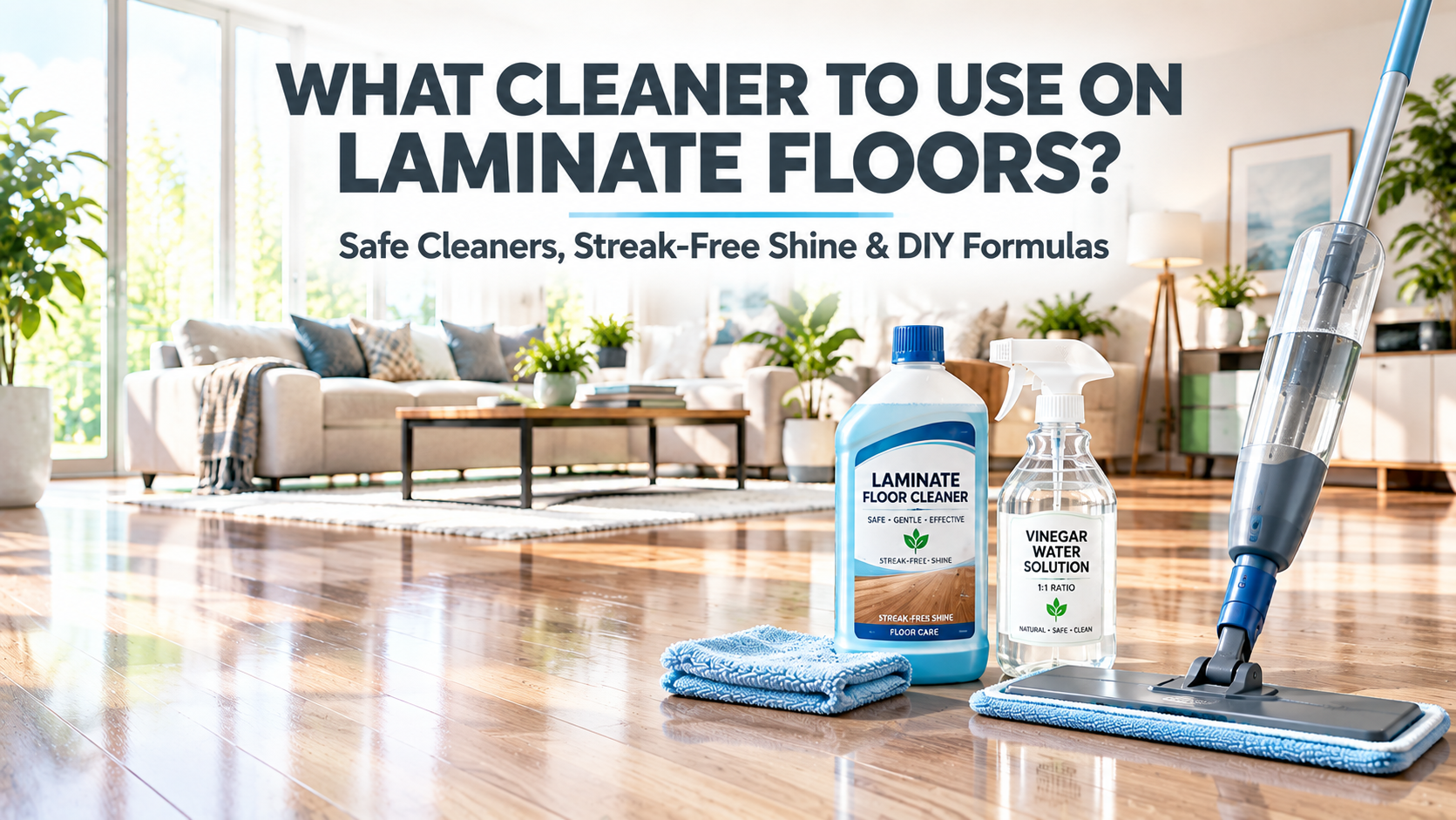
What Cleaner To Use On Laminate Floors: Best Guide
Use a pH-neutral, water-based cleaner or a homemade mix of water and white vinegar to safely clean laminate floors without damaging the protective top layer.
If you want your laminate floors to look fresh, shiny, and new for years, choosing the right cleaner is everything. I've spent years working with homeowners, cleaning crews, and flooring pros, and I can tell you one thing for sure: the wrong product can ruin laminate in weeks, while the right one keeps it gorgeous for decades. Let me walk you through exactly what to use, what to avoid, and how to clean like a pro without ever worrying about streaks, warping, or dull spots.
Understanding Laminate Flooring and Why Cleaner Choice Matters
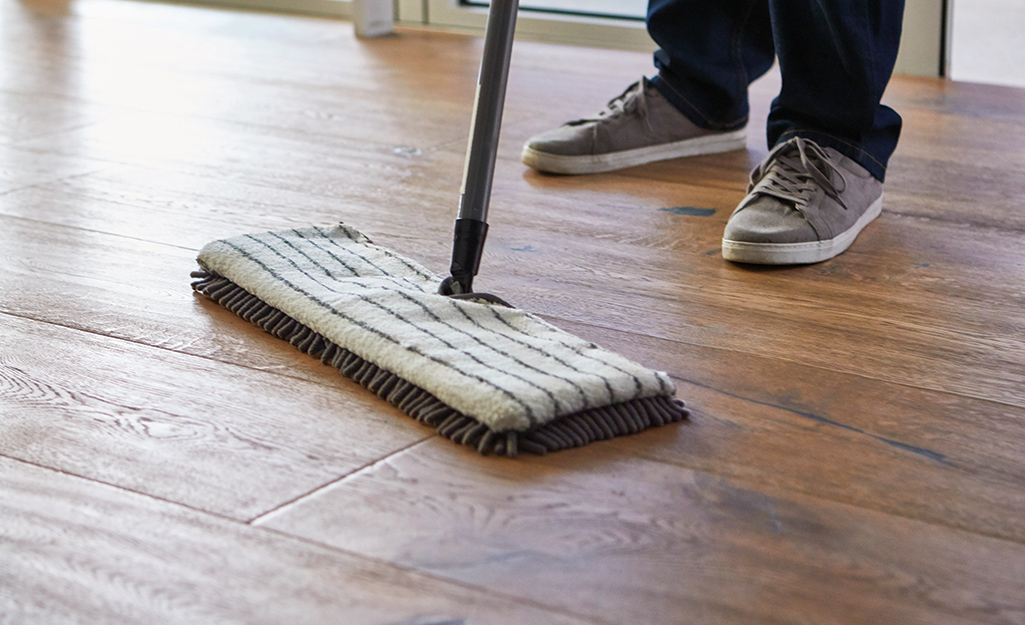
Laminate floors are built like a layered sandwich. The top layer is a tough, clear wear layer that protects a photographic image layer underneath, which sits on a high-density fiberboard core. That top layer is your floor's bodyguard. It's strong, but it's not invincible. Harsh chemicals, abrasives, and excessive water can break it down, cloud it, or even cause the planks to swell and separate at the seams.
When people ask me what cleaner to use on laminate floors, I always explain that it's not just about cleaning dirt. It's about preserving that protective shield. The wrong cleaner can leave a dull film, strip the finish, or cause long-term damage that no amount of scrubbing can fix. The right cleaner lifts grime gently, dries fast, and leaves nothing behind but a clean surface.
Think of it like washing a car. You wouldn't use dish soap on a fresh paint job, right? Same idea. Laminate needs gentle, balanced products that clean without attacking the finish. Understanding this basic structure helps you see why pH-neutral, water-based cleaners are the gold standard for this surface.
The Best Types of Cleaners for Laminate Floors
Not all cleaners are created equal, and especially when it comes to laminate. After testing dozens of products over the years and talking to flooring installers, I've narrowed it down to a few reliable categories that consistently deliver great results without risk.
pH-Neutral, Water-Based Commercial Cleaners
These are specifically designed for laminate, luxury vinyl, and engineered hardwood. They're gentle, effective, and leave no residue. Brands like Bona, Swiffer WetJet, and Bruce are popular because they strike the right balance. They're strong on dirt but soft on the wear layer. Just spray and wipe with a microfiber mop, and you're done.
Homemade White Vinegar Solution
This is my go-to budget-friendly option. Mix about one cup of white vinegar with one gallon of warm water. It's mildly acidic, which helps cut through grease and grime without leaving streaks. It also evaporates quickly, which is perfect for laminate since standing water is the enemy. I used this on my own laminate floors for years with zero issues.
Mild Dish Soap Diluted in Water
If you're in a pinch, a few drops of clear, unscented dish soap in a bucket of warm water works well. Just be sure to wring your mop thoroughly so it's damp, not soaking. Any leftover soap film can attract dirt over time, so less is more here.
Isopropyl Alcohol and Water Spot Treatment
For sticky spots like gum, wax, or dried spills, a little rubbing alcohol on a soft cloth works wonders. It dissolves the mess without harming the finish. Just don't soak the floor, and wipe with a damp cloth afterward to remove any residue.
Cleaners and Products You Should Never Use on Laminate
Knowing what to avoid is just as important as knowing what to use. I've seen well-meaning homeowners destroy their floors with products they thought were safe. Here's what to keep far away from your laminate.
Harsh Chemical Cleaners
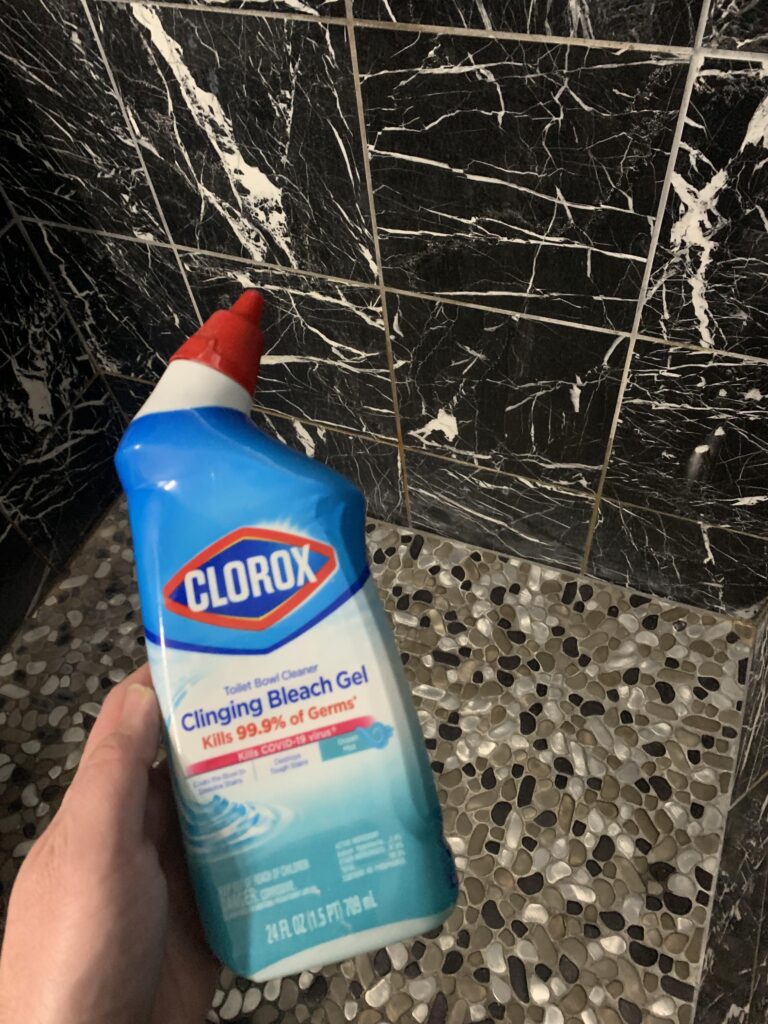
Bleach, ammonia, and strong acids can etch, discolor, or break down the protective top layer. Even diluted, they can cause micro-damage that builds over time. Save these for tile or grout, not laminate.
Oil-Based or Wax-Based Cleaners
These leave a heavy film that traps dirt and dulls the surface. They might make the floor look shiny for a day, but soon it'll look cloudy and grimy. Murphy's Oil Soap is a classic example. It's great for real wood but a nightmare for laminate.
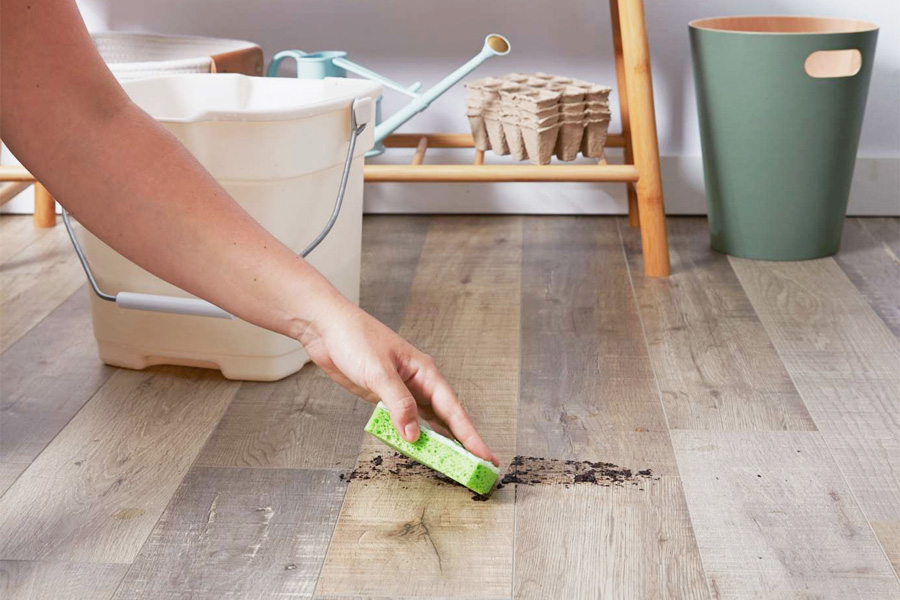
Abrasive Powders or Scrubbing Pads
Anything that scours, like Comet or rough scrub pads, will scratch the wear layer. Once scratched, the floor can't be restored. Stick to soft microfiber cloths and gentle mops.
Steam Mops
Heat and moisture penetrate the joints and can cause swelling, bubbling, or delamination. I know they're marketed for laminate, but most flooring manufacturers explicitly warn against them. Use a damp mop instead for the safest clean.
Excessive Water
This is the number one mistake people make. Soaking the floor, leaving puddles, or using a dripping mop allows water to seep into the seams. Over time, this leads to swelling, warping, and mold growth underneath the planks. Always wring your mop well and dry the floor if needed.
Step-by-Step Guide to Cleaning Laminate Floors the Right Way
Cleaning laminate isn't complicated, but doing it correctly makes all the difference. Follow these steps for a streak-free, damage-free clean every time.
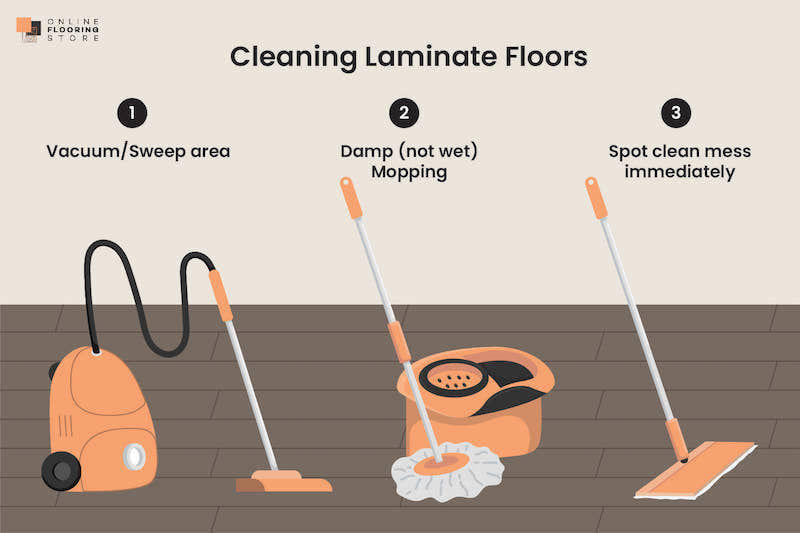
- Sweep or vacuum first using a soft-bristle attachment to remove loose dirt, dust, and pet hair. This prevents scratching during wet cleaning.
- Prepare your cleaner by mixing your chosen solution in a spray bottle or bucket. For commercial sprays, use as directed.
- Lightly mist a section of the floor or spray directly onto a microfiber mop. Avoid saturating the surface.
- Wipe in the direction of the planks using gentle, even strokes. Don't scrub hard. Let the cleaner do the work.
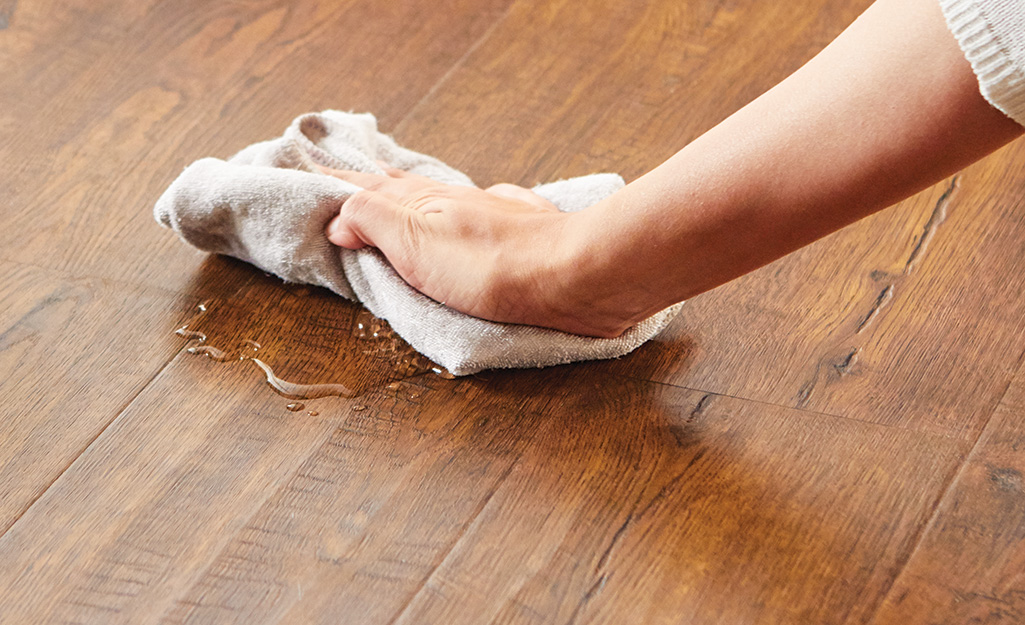
- Dry the surface with a clean, dry microfiber cloth or let it air dry. Never leave standing water.
- Spot clean sticky messes with a damp rag and a tiny bit of vinegar or alcohol. Wipe dry immediately.
I usually do a quick dry mop afterward just to catch any missed moisture. It only takes a minute and gives that perfect, streak-free shine.

How Often Should You Clean Laminate Floors?
How often you clean depends on your household. If you have kids, pets, or heavy foot traffic, a quick dry sweep every other day and a wet clean once a week works well. For quieter homes, a weekly sweep and a biweekly wet clean is usually enough. The key is consistency. Letting dirt build up makes cleaning harder and increases the chance of micro-scratches from grit under shoes or paws.
I keep a microfiber mop by the front door and do a fast sweep every evening. It takes two minutes and keeps the floors looking great between deeper cleans. Small habits like this save you from heavy scrubbing later.
Tips from Real Experience to Keep Laminate Floors Flawless
Over the years, I've picked up a few tricks that make laminate care easier and more effective.
- Use furniture pads under chair and table legs to prevent scratches when things get moved.
- Place mats at entryways to catch dirt before it reaches the floor.
- Trim pet nails regularly to reduce scratch marks.
- Clean spills immediately. The wear layer resists stains, but the seams don't.
- Avoid wax or polish. Laminate doesn't need it, and it only causes buildup.
- Use a microfiber mop, not a sponge mop. Sponges push water into the seams.
- If your floors look dull, it's usually residue. Clean with a vinegar-water mix to remove it.
One homeowner I worked with thought she had to replace her dull floors until we cleaned them with a vinegar solution. The residue came right away, revealing the original finish underneath. It looked brand new again.
Common Mistakes That Damage Laminate Floors
Even with the best intentions, it's easy to make mistakes that shorten the life of your floors. Here are the most common ones I see.
- Using too much water or a soaking wet mop
- Choosing the wrong cleaner, like oil soap or bleach
- Skipping the dust mop before wet cleaning
- Using a steam mop regularly
- Letting spills sit too long
- Dragging heavy furniture without protection
- Assuming laminate is indestructible
A little awareness goes a long way. Avoiding these mistakes alone can add years to the life of your floors.
Eco-Friendly and Budget-Friendly Cleaning Options
If you prefer green cleaning or want to save money, laminate is very forgiving. A simple mix of water and white vinegar handles about 90% of cleaning situations. It's non-toxic, safe for pets and kids, and costs almost nothing. Microfiber cloths are reusable and washable, so you cut down on waste too.
If you want a store-bought eco option, look for plant-based, biodegradable formulas that are pH-neutral and free of harsh solvents. These are widely available now and work just as well as traditional cleaners.
Frequently Asked Questions
Can I use Swiffer WetJet on laminate floors?
Yes, Swiffer WetJet is safe for laminate when used with the laminate-specific pads and solution. It's gentle, dries fast, and won't leave streaks. Just avoid using too much solution and replace pads regularly to prevent dirt redistribution.
Is vinegar safe for laminate floors?
Yes, white vinegar diluted in water is one of the safest and most effective cleaners for laminate. Use about one cup per gallon of water. It cuts grease, removes residue, and evaporates quickly without leaving a film.
How do I remove sticky residue from laminate floors?
Use a soft cloth lightly dampened with rubbing alcohol or a vinegar-water mix. Gently rub the spot until it lifts, then wipe with a dry cloth. Avoid using anything abrasive or oily.
Can I use a steam mop on laminate floors?
No, steam mops are not recommended for laminate. The heat and moisture can damage the wear layer, swell the core, and break down adhesive seams. Stick to a damp microfiber mop instead.
What is the best homemade laminate floor cleaner?
The best homemade cleaner is one cup of white vinegar mixed with one gallon of warm water. It's effective, affordable, and safe for routine cleaning. For extra shine, dry the floor with a microfiber cloth afterward.
Conclusion
Choosing the right cleaner for laminate floors doesn't have to be complicated. Stick to pH-neutral, water-based options or a simple vinegar-water mix, avoid harsh chemicals and excessive water, and always use a microfiber mop for the best results. With the right routine and a little care, your laminate floors will stay beautiful, scratch-free, and shiny for years to come. Try one of these methods today and see the difference a gentle, smart clean can make. Your floors will thank you, and you'll enjoy a cleaner, healthier home every day.