What Should You Not Clean Hardwood Floors With: 2026 Tips
Avoid vinegar, steam mops, bleach, ammonia, oil soaps, and abrasive pads.
If you have hardwood floors, you must know what should you not clean hardwood floors with. I have helped many homeowners fix cloudy film, cupping, and stains caused by the wrong products. In this guide, I will show you what damages wood, what to skip, and what works instead. Stick with me, and you will keep your floors safe, clean, and bright.
Why Certain Cleaners Ruin Hardwood Floors
Hardwood floors do not just need cleaning. They need care that protects the finish. Most damage happens to the finish, not the wood itself.
Here is the key idea. Wood hates excess water, harsh pH, heat, and grit. Finishes hate residue and strong solvents. Before we list what should you not clean hardwood floors with, know that finish type matters too. If asked what should you not clean hardwood floors with, the safest rule is to avoid acids, alkalis, steam, and abrasives.
:max_bytes(150000):strip_icc()/mopping-wood-floors-getty-0123-2000-5479e90420a8494bb3317e611892bbf0.jpg)
What Should You Not Clean Hardwood Floors With: The Definitive List
If you wonder what should you not clean hardwood floors with, start here. These are the usual suspects and why they cause harm.
Vinegar and acidic DIY mixes
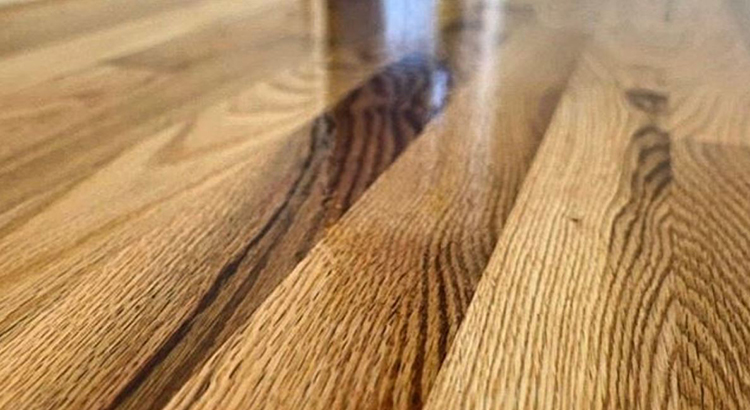
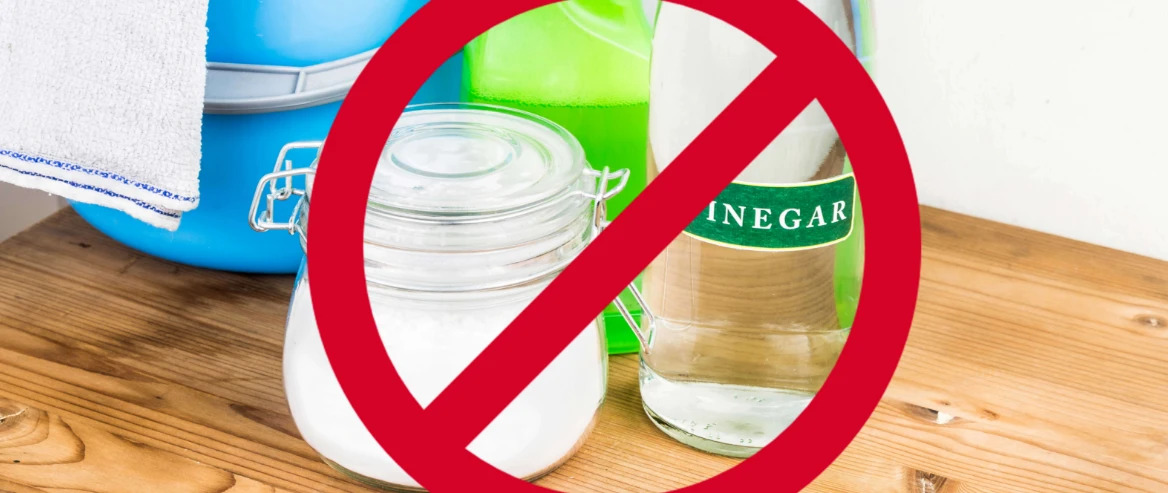
Vinegar is acidic. It dulls polyurethane and leaves a white cast over time. It can also etch some finishes and break down sealers.
Bleach or chlorine solutions
Bleach can discolor wood and weaken finish bonds. It may leave blotchy spots and strong fumes.
Ammonia or high-alkaline strippers
Strong alkalis can cloud and strip finishes. They can cause sticky areas that attract dirt.
Oil soaps and wax-based cleaners
These leave a film that builds up. That film causes streaks, smear marks, and bonding issues for any future recoats.
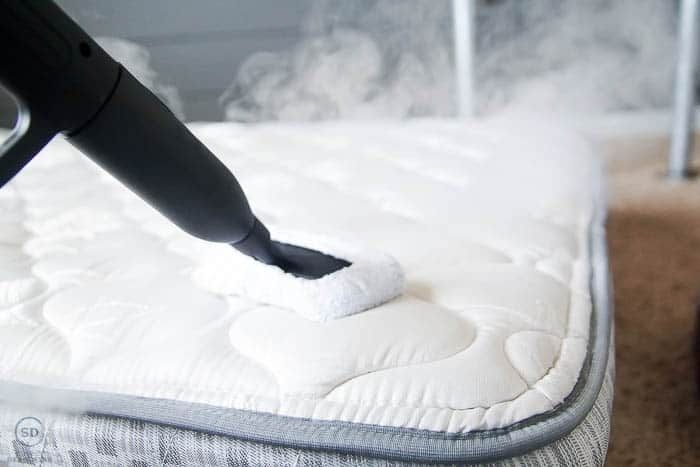
Steam mops or hot steam cleaners
Steam drives heat and water into seams. This can cause cupping, warping, and finish peeling.
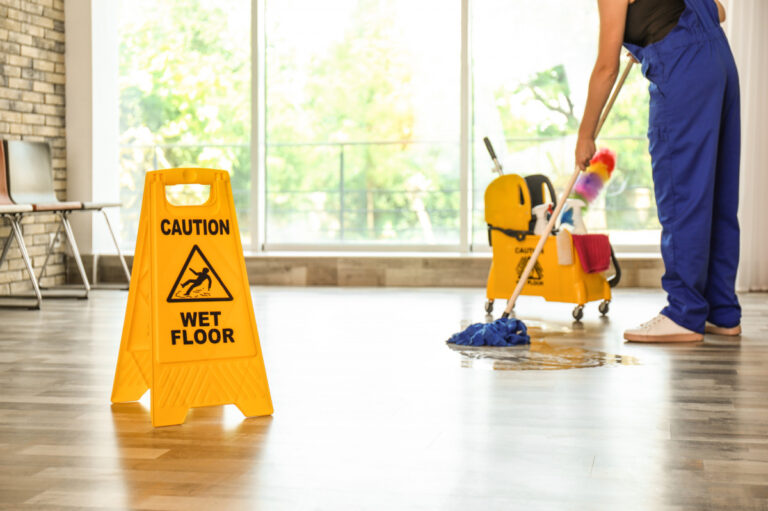
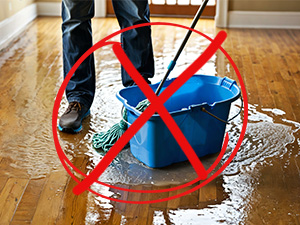
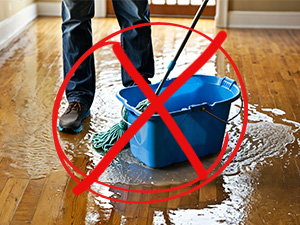
Buckets of water and wet mopping
Too much water seeps into joints and edges. Expect swelling, raised grain, and long dry times.
Abrasive pads, scouring powders, and magic erasers
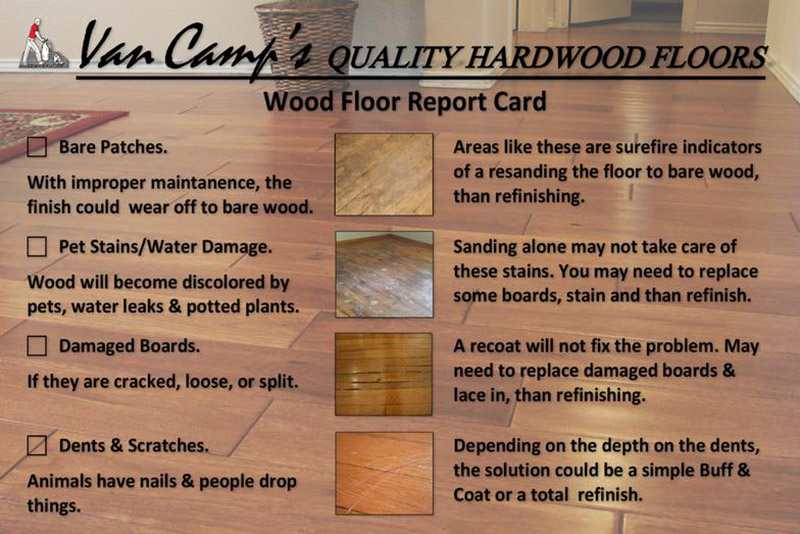
These act like fine sandpaper on a clear coat. Micro-scratches catch dirt and make the floor look dull.
Furniture polish, silicone sprays, and all-in-one shine products
Silicone and polish cause a slick, uneven layer. They make the floor hard to clean and hard to refinish.
High-strength hydrogen peroxide
Strong peroxide can bleach wood and remove color. Spot use may be fine at low strength, but test and be careful.
Disinfectant wipes and high-alcohol sprays
Some wipes have quats and solvents that dry or haze finishes. Alcohol-heavy sprays can dull sheen if used often.
What should you not clean hardwood floors with is a long list, but these are the main items to avoid. Use products made for sealed wood, not tile, not stone, and not laminate.
Common Myths About Cleaning Hardwood Floors
A top myth about what should you not clean hardwood floors with is that vinegar is safe because it is natural. Natural does not mean safe for finishes. Another myth says steam is fine if fast. Steam still drives heat and moisture into seams.
One more myth says more water means a deeper clean. More water means more risk. A last myth says shiny polishes fix dull floors. They hide issues and make pro recoats much harder.
Safer Alternatives and a Simple Weekly Routine
Once you know what should you not clean hardwood floors with, you need a plan. Here is a safe, simple routine I use for clients.
- Dry clean first. Vacuum with a soft brush or use a dust mop. This lifts grit that can scratch.
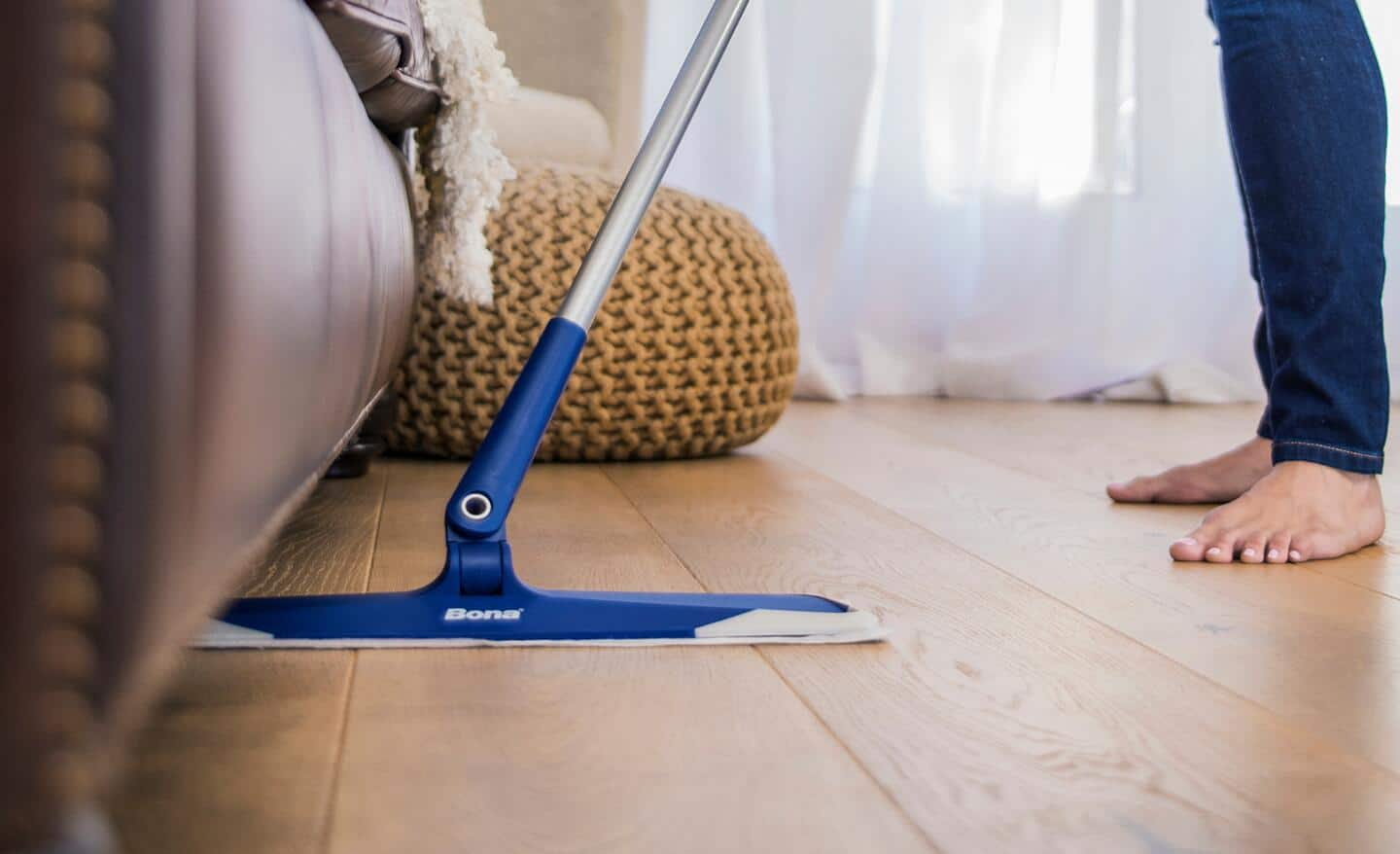
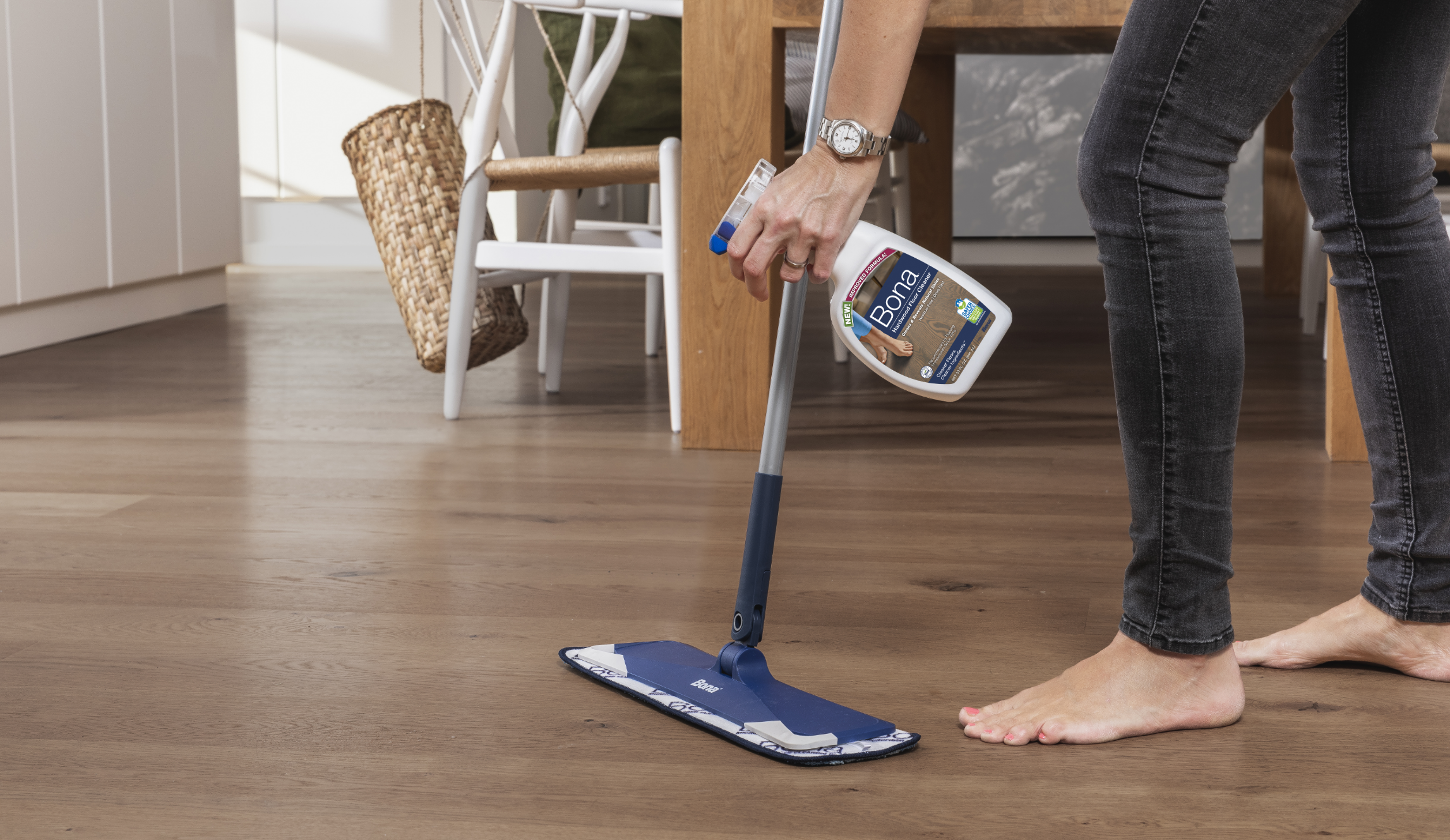
- Damp mop next. Use a pH-neutral hardwood floor cleaner made for your finish.
- Use a flat microfiber pad. Lightly mist the pad or the floor. Do not soak the floor.
- Wipe spills at once. Water and pet messes cannot sit.
- Deep clean with care. If you must remove build-up, use a cleaner made for your exact finish.
- Protect high-traffic zones. Add mats by doors and felt pads under furniture.
Now that you know what should you not clean hardwood floors with, this routine will help you keep the look you paid for.
Finish-Specific Advice: Polyurethane, Waxed, Oiled, and Engineered
What should you not clean hardwood floors with can change by finish. Match the method to the surface.
Polyurethane or factory-sealed floors
Use a neutral hardwood cleaner and a damp pad. Avoid vinegar, steam, oil soaps, and polish products. Do not wet mop.
Waxed floors
Do not use water-based cleaners or all-purpose sprays. Use a paste wax care system as directed. Buff, do not soak.
Oil-finished or hardwax-oiled floors
Use the maker’s soap or maintenance oil. Avoid strong detergents. Spot-repair with matching oil when needed.
Engineered wood
Treat like sealed hardwood. Avoid steam and standing water. Watch edges and joints, which can swell.
Not hardwood: laminate and luxury vinyl
These are not wood, but many homes have both. Use the product made for each surface to avoid damage.

Real-World Lessons From the Field
A client once used a steam mop and weekly vinegar sprays. The floor looked cloudy and felt sticky. Edges started to cup.
We fixed it with a residue remover made for polyurethane. Then we set a new routine with a neutral cleaner and dry mops. The haze went away. Since then, I show every new client what should you not clean hardwood floors with and why it matters.
Maintenance Mistakes to Avoid and a Prevention Checklist
These small steps prevent most damage and save money.
- Keep grit out. Use walk-off mats at doors and a rug in high-traffic paths.
- Pad all furniture feet. Use felt pads and check them often.
- Control humidity. Stay near 35 to 55 percent to reduce gaps and cupping.
- Trim pet nails and sweep often. Fine scratches add up fast.
- Clean spills fast. Water is the enemy of wood.
Share this list of what should you not clean hardwood floors with with your family or guests. A little care goes a long way.
Frequently Asked Questions of what should you not clean hardwood floors with
Can I use vinegar on wood floors if I dilute it?
No. Even diluted vinegar is acidic and can dull the finish. Over time, it leaves a haze that is hard to remove.
Are steam mops safe on sealed hardwood?
No. Steam forces heat and moisture into seams. This can cause cupping and ruin the finish.
Is bleach okay for tough stains on hardwood?
Avoid bleach. It can discolor wood and harm the finish. Use a cleaner made for hardwood and test first.
What about oil soap for extra shine?
Skip oil soaps. They leave residue that streaks and can block future recoats. Use a neutral, no-residue cleaner.
Do disinfectant wipes damage hardwood floors?
Many do. Some contain quats or alcohol that dull or dry finishes. Use a wood-safe disinfectant and wipe dry.
Can I use a Magic Eraser on scuffs?
Be careful. It is abrasive and can dull the sheen. Try a soft cloth and a bit of hardwood cleaner first.
Will plain water and a mop work?
No. Too much water seeps into joints. Use a damp microfiber pad and a hardwood-safe cleaner.
Conclusion
You now know what should you not clean hardwood floors with and why. Skip acids, alkalis, steam, heavy water, abrasives, and shiny polishes. Choose a neutral cleaner, a microfiber pad, and a steady routine.
Protect your floors today. Set mats, add felt pads, and keep humidity in range. If you found this helpful, share it with a friend, subscribe for more home care tips, or leave a question and I will help you solve it.