What Is In An Enzyme Cleaner: Ingredients And Benefits
Enzyme cleaners contain specific enzymes, beneficial bacteria, mild surfactants, stabilizers, water, and fragrance.
If you have ever wondered what is in an enzyme cleaner, you are not alone. I have tested dozens on pet stains, drains, and laundry. In this guide, I break down every part of the formula. You will learn what each ingredient does, why it matters, and how to pick the best bottle for your home.
What is in an enzyme cleaner: core components
At its heart, an enzyme cleaner is a simple team that works in sync. If you ask what is in an enzyme cleaner, here are the building blocks you will find in most bottles.
- Enzymes. Protease for proteins, amylase for starches, lipase for fats, cellulase for plant fibers, and urease for urine byproducts.
- Beneficial microbes. Safe Bacillus strains that make more enzymes and keep working after you wipe.
- Surfactants. Gentle cleaners that lift soil so it can rinse away.
- Solvents and carriers. Water, and sometimes small amounts of propylene glycol, help dissolve and carry ingredients.
- pH buffers and salts. Citric acid or sodium citrate keep pH steady so enzymes stay active.
- Chelators. Agents like sodium gluconate bind hard water minerals that can block enzymes.
- Preservatives. Small amounts prevent spoilage and keep the formula safe.
- Fragrance and dye. Optional. They add scent and color but do not clean.
- Stabilizers and thickeners. Keep the mix even, so each spray is the same.
That is the short answer to what is in an enzyme cleaner. The long answer is how each part boosts the others for faster, deeper cleaning.
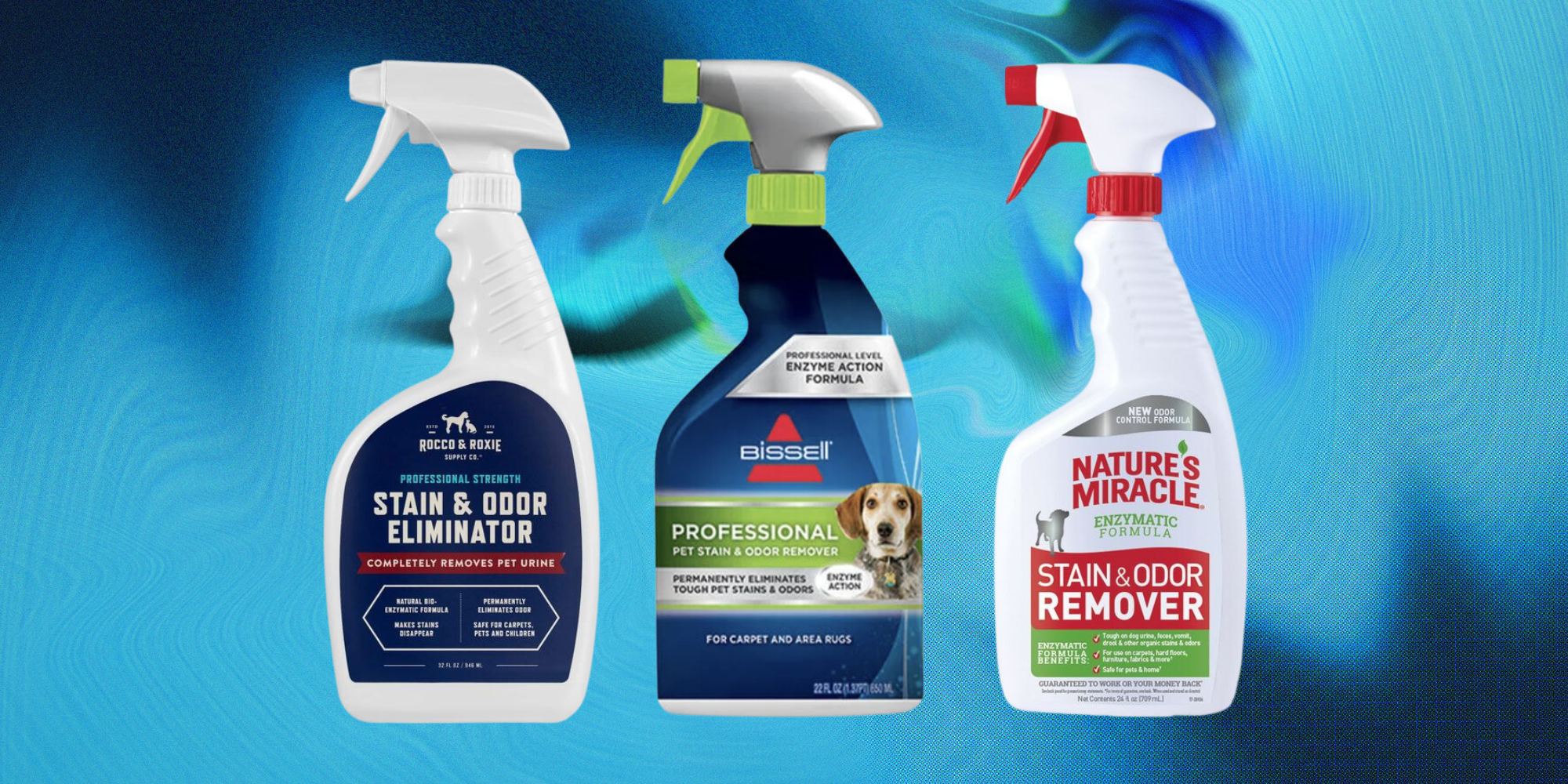
How enzyme cleaners work on stains and odors
Think of enzymes as tiny locks and keys. Each enzyme matches a type of soil. Protease breaks down dried milk or blood. Lipase cuts grease. Amylase nibbles starch. The surfactants lift the bits so water can take them away.
Many formulas include helpful bacteria. They are not there to disinfect. They make new enzymes while the area stays damp. This keeps odor from coming back. In my pet foster days, the trick was time. I soaked a cat urine spot, then covered it with plastic wrap for a few hours. The odor faded for good because the enzymes had time to work.
If you still ask what is in an enzyme cleaner that makes it so effective, the answer is the match between the soil and the enzyme. When you pair them well, the results feel like magic, but it is just good chemistry.
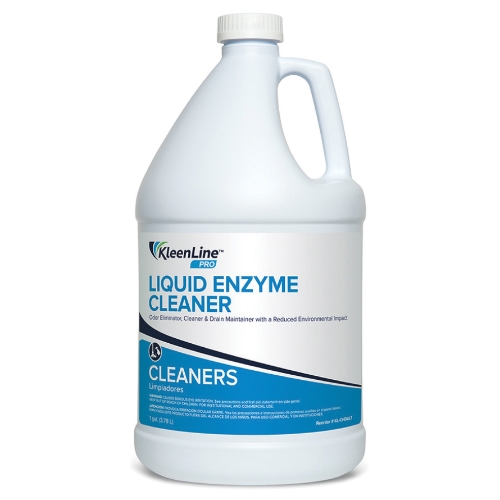
Types of enzymes you will find
Protease
Best for protein stains like blood, egg, sweat, and dairy. It cuts long protein chains into small pieces that wash away.
Amylase
Targets starch from sauces, pasta, and baby food. It helps remove sticky film on counters and fabrics.
Lipase
Breaks down fats and oils. Great on cooking grease, salad dressing, and body oils on collars.
Cellulase
Works on plant fibers. It can help with grass stains and may brighten cotton by loosening fuzz.
Urease and related enzymes
Focus on urine byproducts. Many pet formulas use bacteria that make enzymes which break down urea and related odor compounds.
Other helpers you may see
Pectinase for fruit spills, mannanase for gum thickeners, and xylanase for plant-based soils. You will not see all of these in every product, but this is often what is in an enzyme cleaner when it is built for tough, mixed stains.
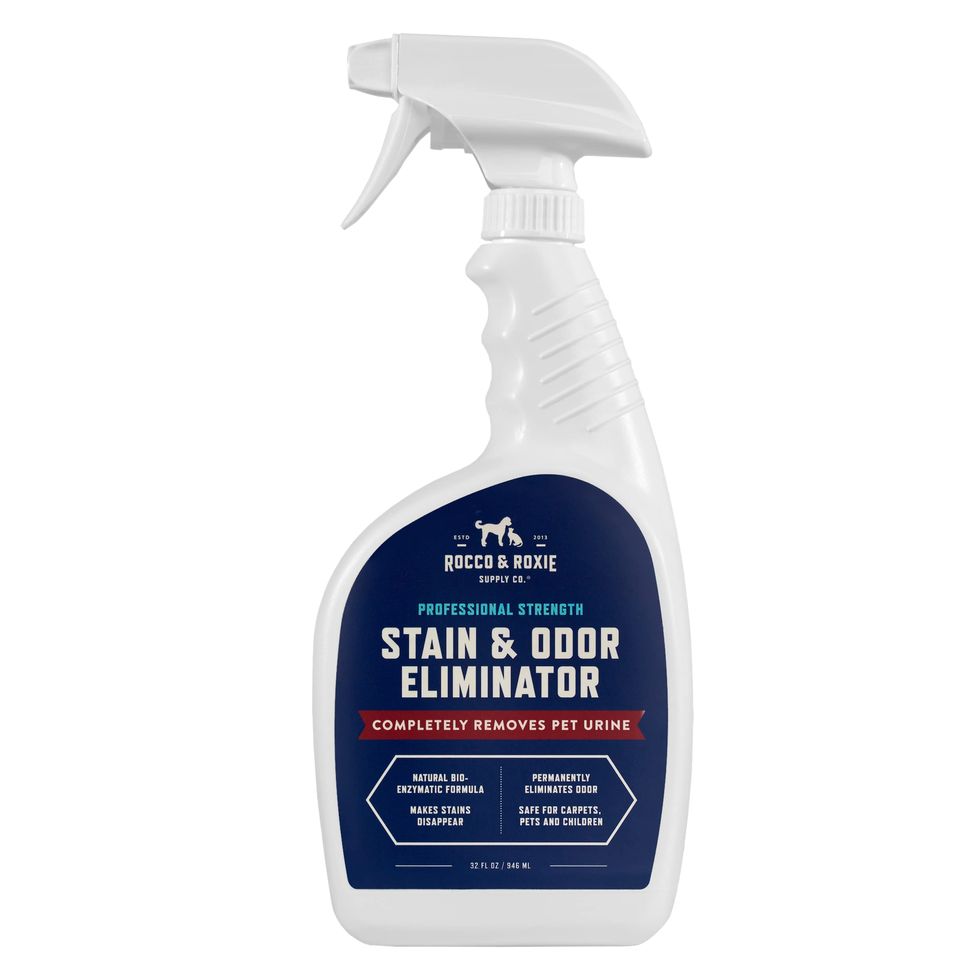
Supporting ingredients that make formulas stable
A great enzyme mix needs a safe home. The support crew keeps enzymes active and easy to use.
Surfactants and mild solvents
Nonionic surfactants soften and lift soil without harsh foam. A bit of solvent can help wet greasy spots.
pH buffers
Enzymes prefer mild pH. Buffers hold that sweet spot, even in tap water with minerals.
Preservatives
Tiny amounts stop the liquid from spoiling. They keep microbes in balance so only the helpful ones thrive.
Fragrance and dyes
Optional. Choose fragrance-free if you have allergies or want no added scent.
Water quality
Filtered water protects enzymes from metals and chlorine. This helps the formula last on the shelf.
Put simply, this is what is in an enzyme cleaner beyond the enzymes. These extras guard performance from the factory to your floor.

Safety, environmental impact, and regulations
Enzyme cleaners are known for low fumes and strong performance at room temp. Many ingredients are biodegradable, and the formulas avoid chlorine bleach. Still, they are not risk free. Liquids with enzymes can irritate eyes or skin. Test on a small spot, and wash hands after use.
Do not mix enzyme cleaners with bleach or strong disinfectants. Those can shut down the enzymes. Many labels carry clear use claims. If a product is not sold as a disinfectant, it will not kill germs. That is normal and by design. For safety info, look at the product safety sheet and any third-party labels, like safer chemistry seals.
If you wonder what is in an enzyme cleaner from a safety view, the focus is on mild surfactants, low VOCs, and controlled levels of preservatives. That balance keeps power high and risk low.

How to read a label and choose the right product
If your goal is to learn what is in an enzyme cleaner before you buy, read labels with care. Look for clear enzyme names and the soils they target.
- Match the stain. Pet urine needs urine-targeting enzymes and microbes. Grease needs lipase.
- Check surfaces. Make sure your floor, fabric, or stone is listed as safe.
- Scan the pH. Neutral formulas are safest for most home jobs.
- Note fragrance. Pick unscented for sensitive noses or clinics.
- Seek proof. Look for safety sheets, test data claims, and third-party marks.
- Avoid conflicts. If you plan to disinfect later, rinse well so enzymes are not wasted.
A good label tells you not only what is in an enzyme cleaner, but also how to use it. Clear use steps often signal a brand that tests well.
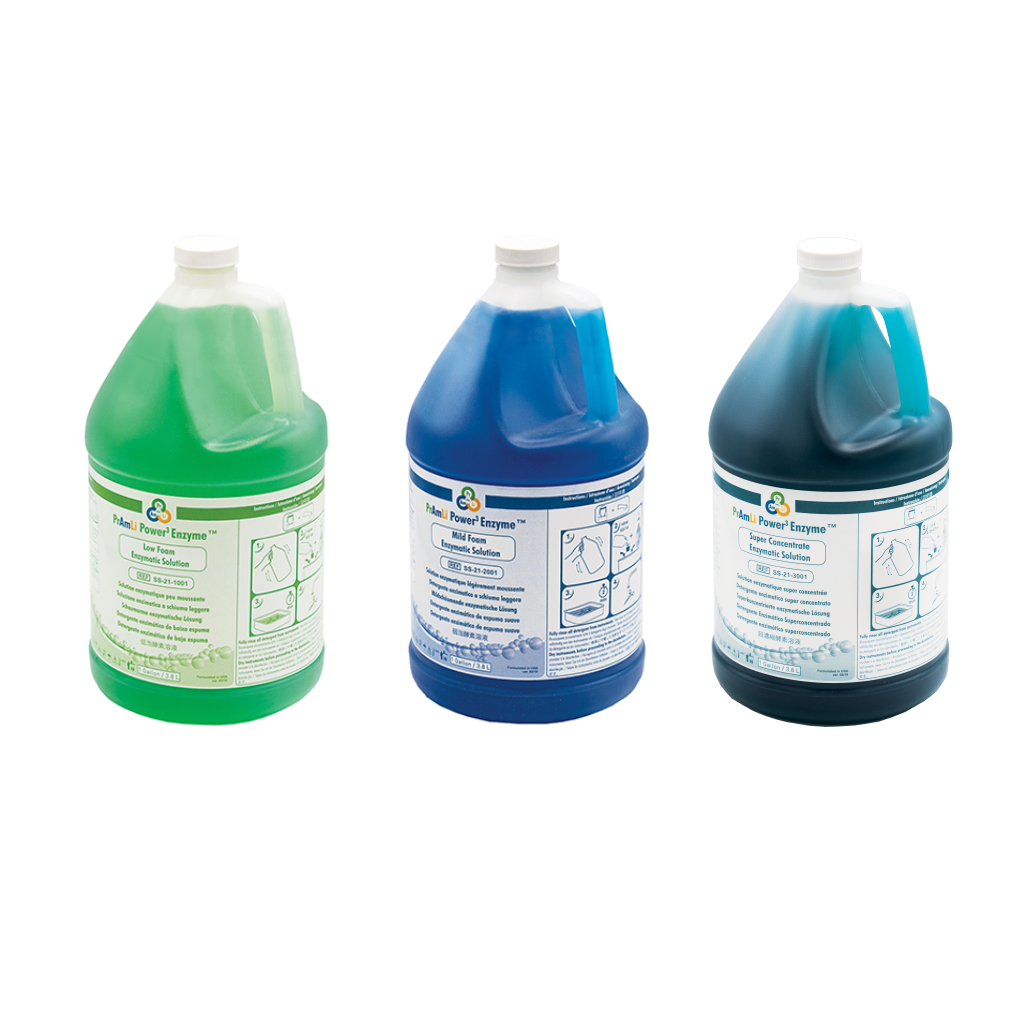
Real-world uses and pro tips
Here is how I use enzyme cleaners at home and on jobs.
- Pet accidents on carpet. Blot first. Soak the spot past the edges. Cover with plastic wrap. Wait 1 to 8 hours. Blot, then air dry.
- Laundry pre-soak. Mix with cool water. Soak 30 minutes for sweat, food, or baby stains. Wash as normal.
- Kitchen grease. Spray, wait 5 to 10 minutes, then wipe. Repeat for baked-on oil.
- Drains with biofilm. Pour, let sit overnight, then flush with warm water. Do not combine with caustic drain openers.
Tips I learned the hard way:
- Keep it wet. Enzymes need moisture and time.
- Use cool to warm water. Hot water can weaken enzymes.
- Do not rush. If odor returns, you likely did not give enough dwell time.
- On dense foam cushions, treat, then compress gently to push the cleaner deep.
If a friend asks what is in an enzyme cleaner that helps with pet odors, I tell them it is the combo of urine-targeting enzymes, helpful bacteria, and gentle surfactants. Then I hand them plastic wrap and a timer.

Common mistakes and limitations
Enzyme cleaners are powerful, but not magic. These are the most common pitfalls.
- Mixing with bleach or quats. This stops enzymes cold.
- Rinsing too soon. Odors return because the job was half done.
- Letting the area dry. Cover treated spots to hold moisture in.
- Expecting instant results on old stains. Deep crystals need repeat soaks.
- Using on the wrong soil. Pick a product with the right enzyme mix.
Limits to note:
- Old cat urine in sealed floors may need deep treatment or refinishing.
- Mold on walls needs moisture control and, at times, antimicrobial steps.
- Heavy mineral stains are better matched with an acid cleaner.
When people ask what is in an enzyme cleaner and why it sometimes fails, the answer is fit and time. If the enzymes do not match the soil, or if you rush, the result will lag.

Frequently Asked Questions of what is in an enzyme cleaner
What is in an enzyme cleaner, in simple terms?
It is a blend of enzymes, helpful bacteria, mild surfactants, water, and small stabilizers. Each part has a job, and they work together on stains and odors.
Are enzyme cleaners safe for pets and kids?
Used as directed, they are generally safe and have low fumes. Keep bottles out of reach, avoid eye contact, and choose fragrance-free if you have allergies.
Will enzyme cleaners disinfect surfaces?
No. They clean and remove odor, but they do not kill germs unless the label says so. If you need disinfection, clean first, rinse, then use a registered disinfectant.
Can I make my own enzyme cleaner at home?
DIY mixes can ferment and grow unknown microbes. Store-bought products use tested strains and stable formulas, which are safer and more reliable.
Do enzyme cleaners remove cat urine crystals?
They help break down urine components and feed bacteria that keep working. On old, set-in spots, you may need long dwell times or repeat treatments.
What surfaces should I avoid?
Do not use on unsealed wood, silk, or some natural stone without testing. Always spot test in a hidden area.
Why do some products list “bio-enzymatic”?
It means the cleaner contains enzymes plus live bacteria that make more enzymes. This can improve odor control over time.
Conclusion
Now you know what is in an enzyme cleaner and how each piece pulls its weight. Enzymes target the stain, microbes keep working, and gentle cleaners lift the mess so you can wipe it away. With the right match, time, and a simple method, tough odors and stains become easy wins.
Try one small project today. Pick a spot, choose the right enzyme mix, and give it a proper dwell. If this helped, subscribe for more simple cleaning science, or drop a comment with your toughest stain story.