What Is Commercial Cleaning: A Simple 2026 Guide
Commercial cleaning is professional-grade cleaning for businesses, facilities, and public spaces.
If you want a clear, friendly guide that explains what is commercial cleaning without the fluff, you’re in the right place. I’ve led cleaning rollouts in offices, schools, clinics, and warehouses. Here, I break down the full picture so you can make smart, safe, and cost-effective choices.
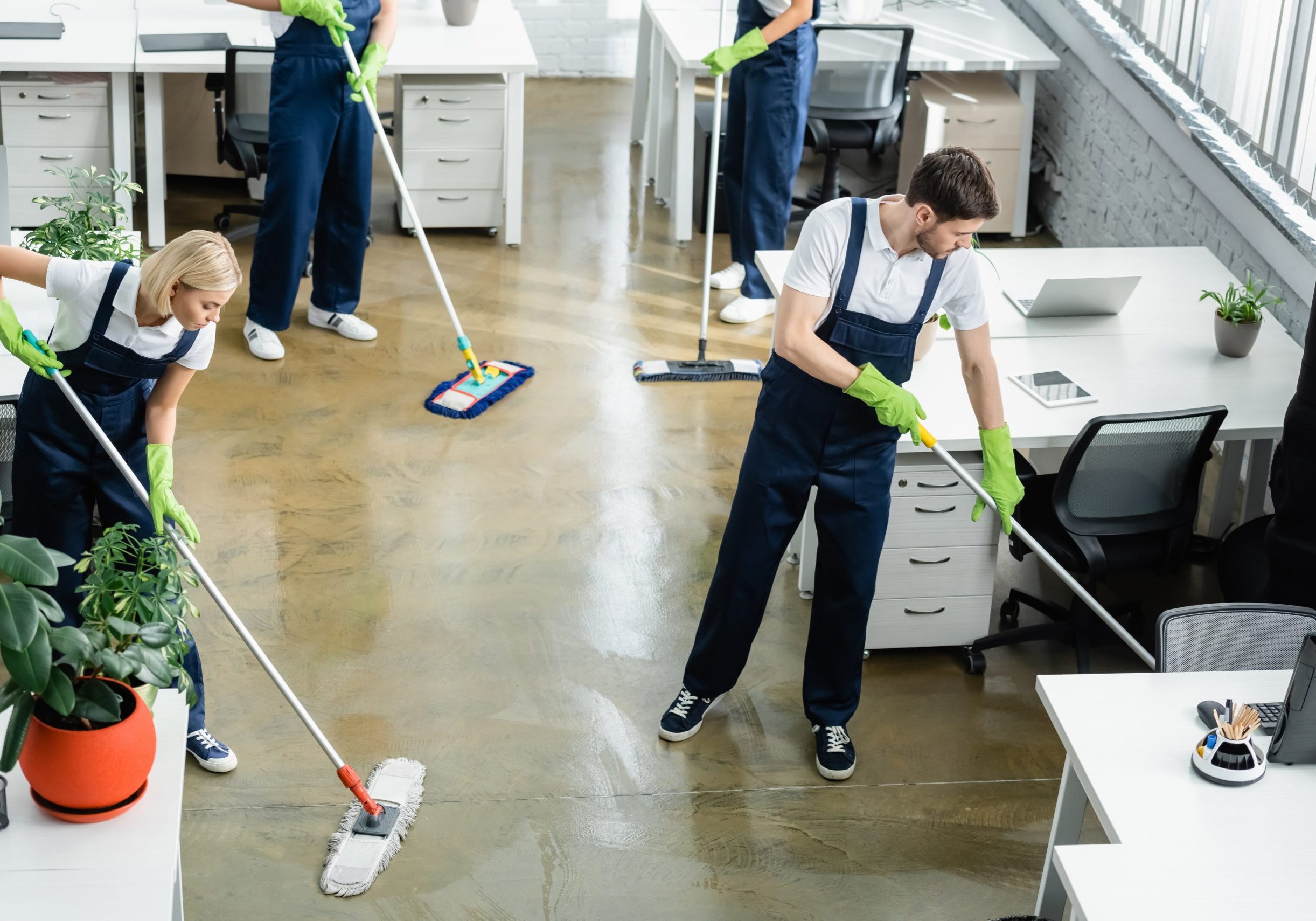
What Is Commercial Cleaning? Definition and Scope
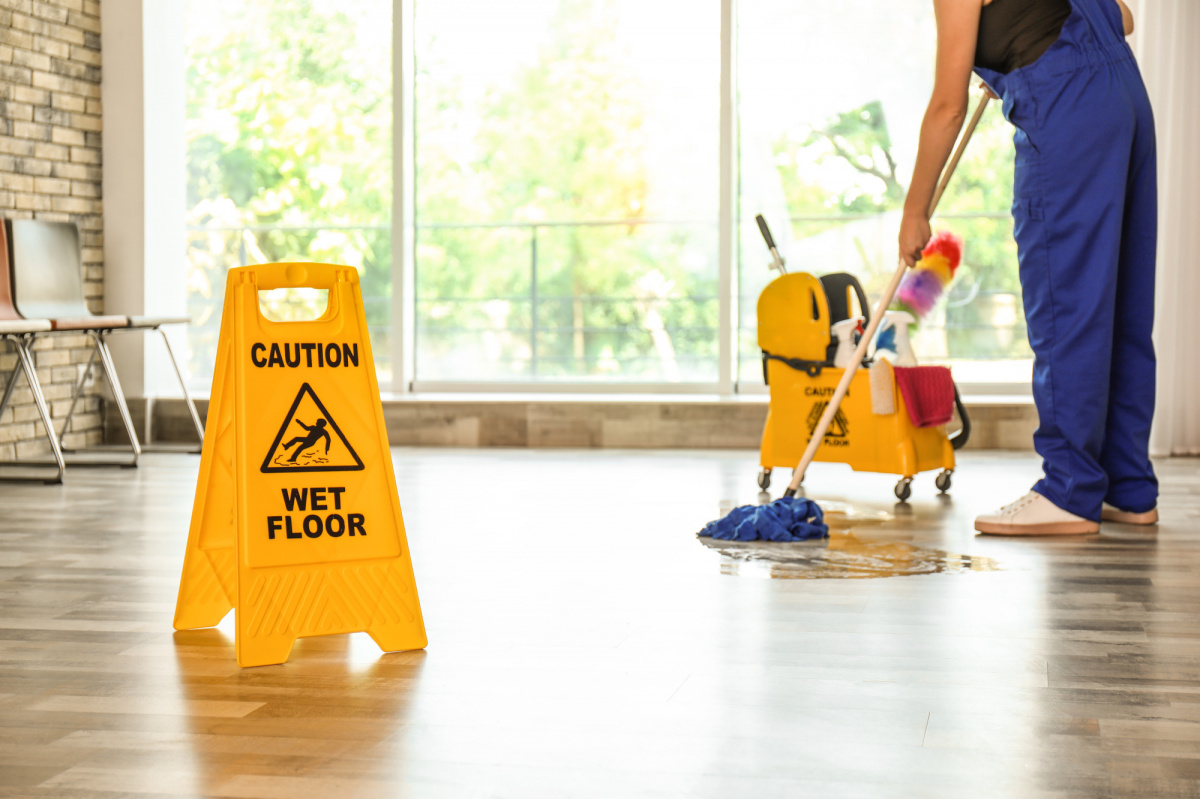
Commercial cleaning is the planned, professional cleaning of workplaces and public buildings. It uses trained crews, proven methods, and compliant products. It covers daily care, deep cleaning, disinfection, and specialty services for complex sites.
The short answer to what is commercial cleaning is this: it is cleaning built for business risk. It protects health, brand image, legal compliance, and asset life. It follows standards from bodies like OSHA, EPA, and public health agencies.
When people ask what is commercial cleaning, they often mean more than mops and bins. It includes risk checks, safety data sheets, color-coded tools, and quality audits. It adapts to your space, foot traffic, and industry needs.
Is commercial cleaning the same as janitorial?
Not always. Janitorial often means daily tasks like trash, dust, and restrooms. Commercial cleaning also covers deep work, floor care, high dusting, disinfection, and regulated tasks.
Do small businesses need commercial cleaning?
Yes, if you serve staff or customers. Even a small office needs safe restrooms and clean air. A lean plan can fit tight budgets.
How often should an office be cleaned?
Most offices need daily touch-ups and weekly detail work. High-traffic sites need more. Let foot traffic and risk drive the schedule.

Why Commercial Cleaning Matters: Health, Image, Compliance
Clean spaces reduce germs, allergens, and odors. That cuts sick days and boosts focus. During peak cold and flu months, better disinfection helps protect teams and guests.
Clean rooms also shape trust. Floors, glass, and restrooms tell your story in seconds. A tidy site wins clients and helps staff feel proud.
There is also law and safety. Agencies set rules on chemicals, bloodborne risks, and hazard labels. Meeting them lowers risk. When leaders ask what is commercial cleaning doing for the bottom line, the answer is simple: fewer safety issues, longer asset life, and better morale.
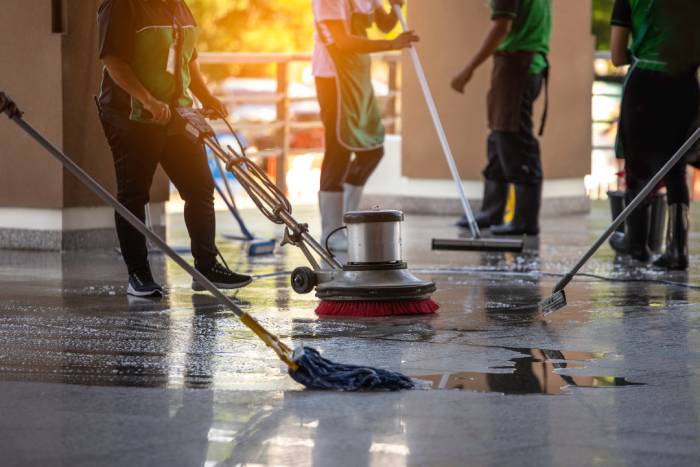
Core Services Offered
Commercial cleaning spans a wide range. Here are common services you can mix and match.
- Routine janitorial: Trash, dusting, vacuuming, restrooms, and break rooms.
- Disinfection: High-touch wipe-downs, label-set dwell times, and log tracking.
- Floor care: Scrub, strip and refinish, burnish, tile and grout.
- Carpet care: Vacuum, spot treat, hot water extract, low-moisture methods.
- Glass and windows: Interior glass and periodic exterior panes.
- Kitchens and food areas: Degrease, sanitize, and NSF-safe practices.
- Restrooms: Scale removal, odor control, and supply restock.
- High dusting: Vents, rafters, lights, and ceiling fans.
- Post-construction: Dust control, fine detail, and adhesive removal.
- Waste and recycling: Stream setup and proper handling.
- Specialty: Healthcare terminal cleans, cleanrooms, labs, and industrial degreasing.
To answer what is commercial cleaning in practice, it is this blend of routine care and specialized work. Your plan should match your site risk and traffic.
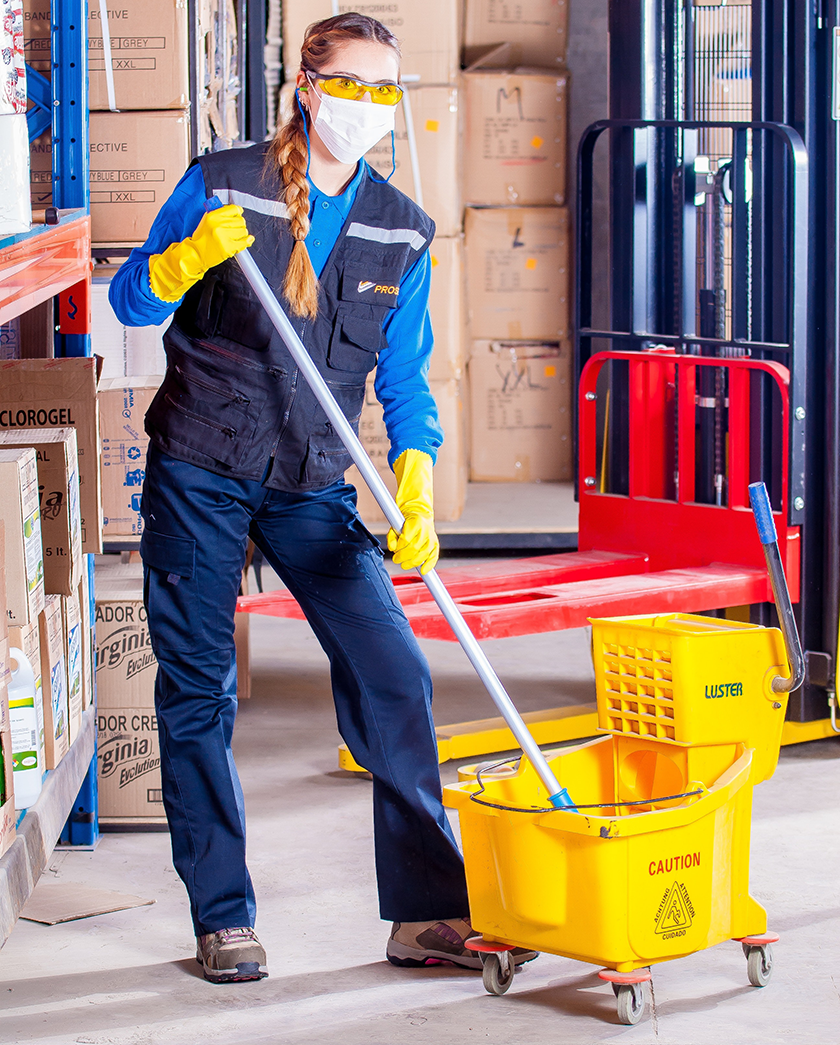
Where It’s Used: Facilities and Industries
Commercial cleaning supports many places, each with unique needs.
- Offices and coworking spaces: Quiet cleans, day porter service, night resets.
- Healthcare and dental: Protocols for infection control and sharps safety.
- Schools and childcare: Non-toxic products, allergen control, and toys.
- Retail and banks: Smear-free glass, floors, and restroom uptime.
- Restaurants and food plants: Grease control and food-safe sanitation.
- Warehouses and logistics: Dust control, safety lines, and spill kits.
- Gyms and studios: Sweat-prone touchpoints and odor control.
- Hospitality and venues: Fast turnarounds and spotless restrooms.
If your site serves people, what is commercial cleaning becomes a daily tool for health and trust.
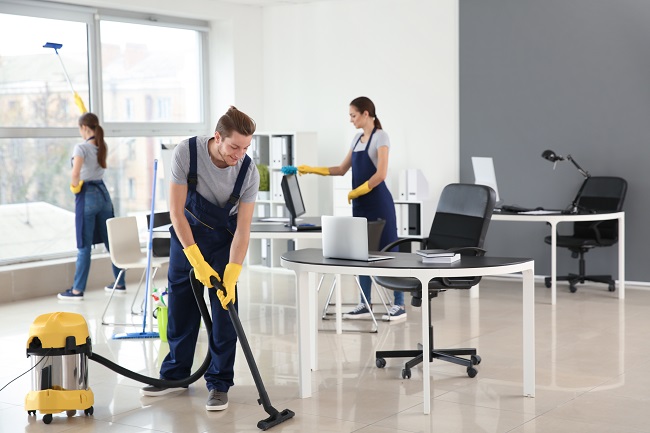
Standards, Regulations, and Safety
Great cleaning is safe cleaning. That means training and the right tools.
- Chemicals and SDS: Staff must know Safety Data Sheets and label rules.
- Dwell times: Disinfectants need the contact time on the label to work.
- PPE: Gloves, masks, and eye protection as tasks demand.
- Color coding: Keep restroom cloths separate from desks and kitchens.
- OSHA, EPA, and CDC: Follow standards for worker safety and public health.
- Bloodborne pathogens: Train for spills; use approved cleanup kits.
Part of what is commercial cleaning is risk control. It blends human care with policy, logs, and audits.
The Commercial Cleaning Process: From Walkthrough to QA
A clear process defines what is commercial cleaning beyond tools and soap. Here is a simple flow you can expect.
- Site walkthrough: Measure square feet, traffic, and risk zones.
- Scope of work: Tasks, frequencies, and service windows.
- Staffing plan: Team size, supervision, and backup coverage.
- Supplies: Green options, microfiber, HEPA vacuums, and approved chems.
- Training: Product use, safety, and site rules.
- Startup: Pilot week, feedback, and quick fixes.
- Quality control: Checklists, inspections, photos, and scores.
- Continuous improvement: Seasonal changes, tech upgrades, and refreshers.
Pro tip from the field: Start with a 30-day stabilization plan. Review issues weekly. Small tweaks early prevent big pain later.
Pricing, Contracts, and KPIs
Costs vary by site size, task mix, risk, and schedule. Night work, medical sites, and deep cleans cost more. Price can be per square foot, per hour, or fixed monthly.
Good contracts are clear and lean. They list scope, supplies, response times, and safety rules. Add add-on rates for extra work.
Track what you pay for. Useful KPIs include:
- Quality score by zone
- Response time to issues
- Complaints per 10,000 square feet
- Missed task rate
- ATP or visual hygiene checks
When you price what is commercial cleaning, link cost to outcomes you can measure.

How to Choose a Commercial Cleaning Company
Pick skill, not hype. Use this quick checklist.
- Proof of insurance and background checks
- Training paths and safety records
- Supervisor-to-worker ratio
- References from similar sites
- Clear scope and change-order process
- Green options and EPA-registered products
- Digital logs, photos, and inspections
- Fair pay practices that reduce turnover
Ask vendors to define what is commercial cleaning in their scope. If they cannot explain it in plain words, keep looking.
Green Cleaning and Technology Trends
Green cleaning cuts harm and keeps people safe. It uses low-VOC products, microfiber, and HEPA vacuums. It also means right dosing to avoid waste.
New tools raise results.
- Electrostatic sprayers for even coverage
- Robotics for large, open floors
- IoT soap and towel dispensers to prevent runouts
- ATP meters for hygiene checks
- QR code feedback for fast fixes
Modern tech reshapes what is commercial cleaning by making it data-driven and lean. Start small, test, then scale.
Common Mistakes and Pro Tips from the Field
I have seen teams fail by chasing only price. Low bids often mean thin staffing and weak training. That hurts quality and safety.
Another trap is “clean smell equals clean.” Scent is not proof. Use checklists, logs, and, when needed, ATP tests. One mistake is assuming what is commercial cleaning equals perfume and shine. Real clean is safe surfaces and healthy air.
My field tips:
- Build a color-coded system and train it hard.
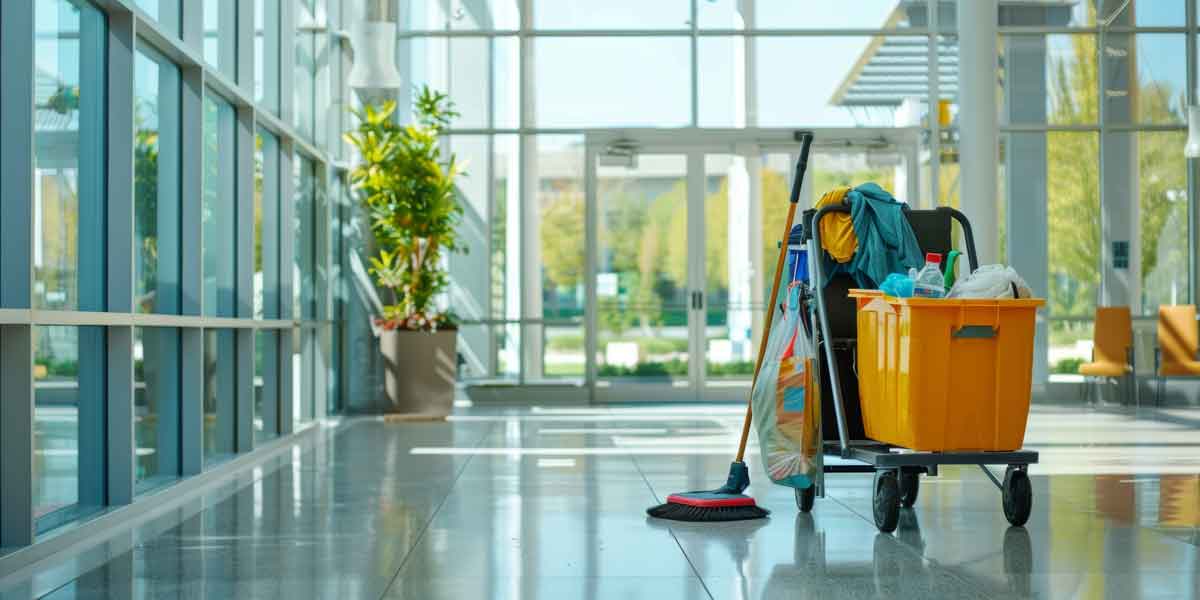
- Stock the right tools on a mobile cart for speed.
- Set dwell times with timers, not guesses.
- Use entry mats to trap dirt and save floors.
- Hold monthly reviews with photos and trends.
Frequently Asked Questions of what is commercial cleaning
What is commercial cleaning in simple words?
It is professional cleaning for workplaces and public buildings. It uses trained staff, set methods, and safe products.
What is commercial cleaning vs residential cleaning?
Commercial cleaning serves businesses with larger spaces and higher risk. Residential focuses on homes and uses different tools and schedules.
What is commercial cleaning supposed to include?
It should include daily care, restrooms, floors, and touchpoints. Deep cleaning, carpet care, glass, and special tasks come as needed.
How do I know what is commercial cleaning quality?
Look for checklists, inspection scores, and quick fixes to issues. Ask for photos, logs, and clear KPIs.
What is commercial cleaning cost based on?
Cost depends on size, traffic, risk, tasks, and timing. Medical, food, and night work usually cost more.
What is commercial cleaning frequency I should choose?
Base it on foot traffic and risk. Start with daily basics plus weekly detail, then adjust by data.
What is commercial cleaning staff trained on?
They learn product use, safety, PPE, dwell times, and site rules. They also learn customer service and data logs.
Conclusion
Commercial cleaning protects health, brand, and budgets when it is done with skill and care. You now know what is commercial cleaning, why it matters, and how to buy it with confidence. Start with a clear scope, fair contract, and solid KPIs. Run a pilot, measure results, and refine.
Ready to level up your space? Use this guide to draft your scope today, compare vendors, and build a plan that fits your site. Want more tips like this? Subscribe, share your questions, or leave a comment with your biggest cleaning challenge.