What Is Considered Light House Cleaning (2026) — Quick Guide
Ever feel like "light cleaning" is this mythical unicorn that everyone talks about but no one can quite pin down? You're not alone. It's one of those phrases that sounds super simple, but when you stop to think about it, it gets a little fuzzy.
Light house cleaning is all about maintaining a general sense of order and freshness without a massive overhaul. Think of it as the maintenance work that keeps your home from feeling like it's staging a rebellion for deeper cleaning.
As of 2026, research indicates that regular light cleaning tasks, when performed consistently, can significantly reduce the perceived time needed for more intensive deep cleaning sessions. This approach focuses on the visual and immediate-use areas of your home, preventing smaller messes from compounding. Let's break down precisely what these tasks typically involve.
Quick Answer
Light house cleaning involves quick, surface-level tasks to maintain order and freshness. These are typically done daily or weekly and focus on visual tidiness. Tasks include decluttering surfaces, spot cleaning spills, and tidying common areas.
It prevents bigger messes from accumulating without requiring deep scrubbing or intensive effort.
Is it Even Truly "Light"? Your Quick Checklist
To figure out if a cleaning session qualifies as "light," it helps to ask yourself a few targeted questions. Your answers will tell you which category of light cleaning you'll be tackling. This isn't about absolute definitions, but about practical application to your current situation.
How Much Time Have You Actually Got?
Be honest here. Are you just stealing 10 minutes before guests arrive, or do you have a solid hour on a Saturday morning? Understanding your time constraint is the first hurdle.
What's the Main Goal?
What's driving the need to clean? Is it just about making surfaces look clear, or do you feel a general sense of grime that needs a quick wipe-down? Your primary objective helps define the scope.
What's Your Energy Level Right Now?
Sometimes, light cleaning just means not adding to the mess, and that's perfectly fine. Your current physical and mental energy dictates how much you can realistically accomplish, even in a "light" session.
Your "Light Cleaning" Decision Map
Based on those quick thoughts, here’s a general guide to what "light cleaning" usually involves. We can think of it as a few different levels, each with specific goals and time commitments. This map helps you decide which approach best fits your immediate needs.
Level 1: The "Quick Tidy-Up" (Under 20 Minutes)
This is your go-to for a rapid reset, ideal for those moments when company is minutes away or you just need to clear the visual clutter. It's all about making things look presentable and creating a sense of order quickly. You're not aiming for pristine, just for "put together."
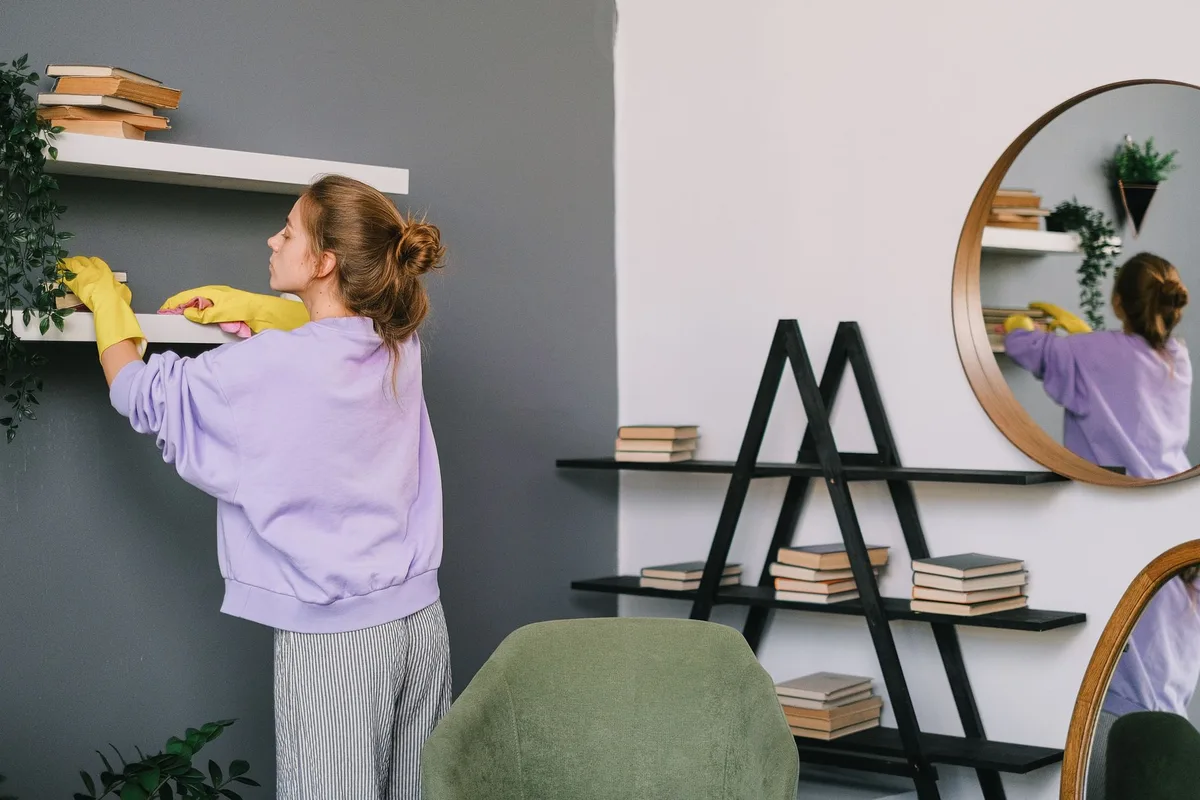
- De-clutter surfaces: Clear off coffee tables, kitchen counters, and bedside tables. Put mail in a designated spot, put away remotes, stack books neatly. This is about making space look intentional.
- Quick straighten: Fluff couch cushions, fold throws. These small efforts make a visible impact on common areas.
- Spot clean: Wipe down obvious spills or smudges on counters or tables. Address immediate marks before they set.
- Tidy up the entryway: Shove shoes into a bin, hang up coats. This controls the first impression of your home.
Level 2: The "Surface Refresh" (20-45 Minutes)
This level adds a bit more detail, tackling surfaces and high-traffic areas a bit more thoroughly than a quick tidy. You’ll feel a tangible difference as you move through your home. It’s more than just decluttering; it's about a light visual clean.
- All of Level 1, PLUS:
- Wipe down kitchen counters and sink: A more thorough clean-up after meal prep or use. This addresses food residue and water spots.
- Quick sweep or vacuum of main living areas: Just the high-traffic zones, like the living room floor or kitchen. This removes loose crumbs and surface dust.
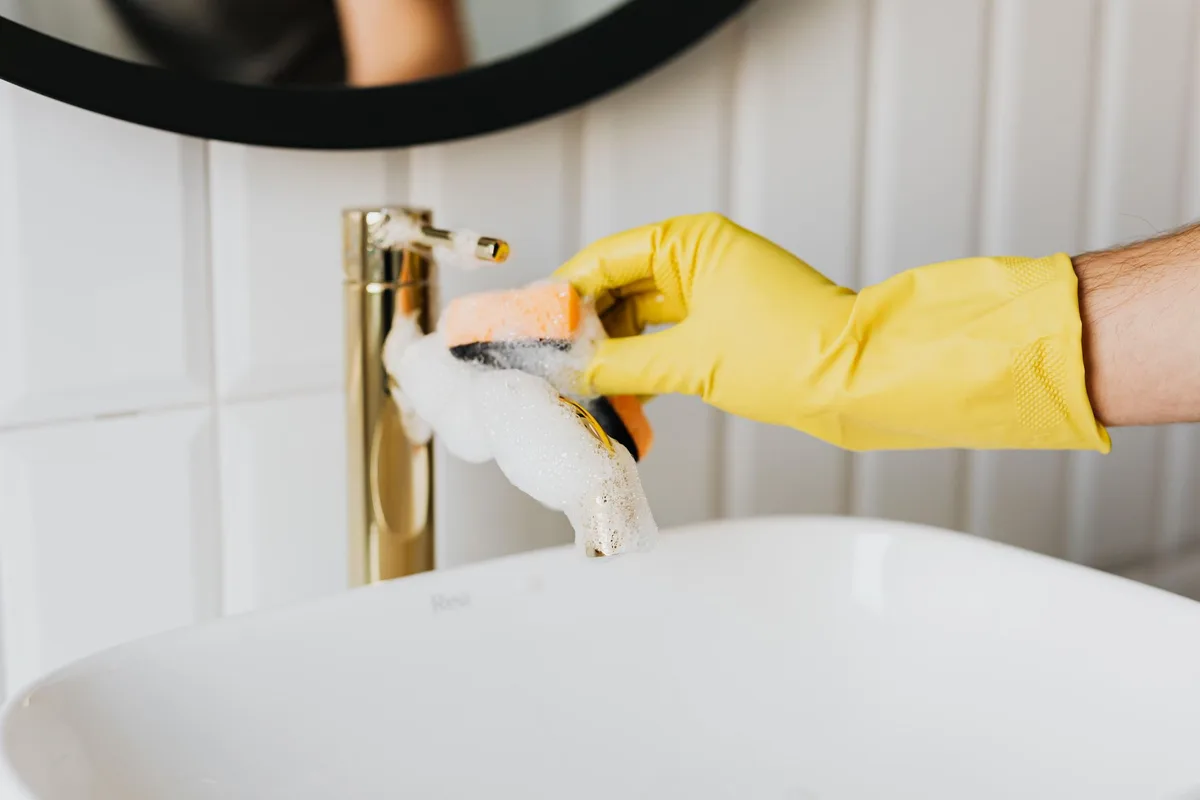
- Wipe down bathroom sink and faucet: Get rid of toothpaste splatters and water spots. These areas show wear quickly.
- Straighten up the bathroom vanity: Put toiletries back in drawers or shelves. This reduces visual clutter.
- Empty trash cans: A simple but effective refresh for multiple rooms.
Level 3: The "Focused Freshen-Up" (45-75 Minutes)
This is for when you have a bit more time and want to tackle a few key areas more comprehensively. You're aiming for a noticeable improvement in cleanliness and appearance, but still want to avoid deep-cleaning tasks. This level sets a good baseline for weekly maintenance.
- All of Level 2, PLUS:
- Wipe down appliance fronts: Fridge, microwave, dishwasher. These often show fingerprints and smudges.
- Clean the stovetop: A quick wipe after cooking. This keeps your kitchen looking its best.
- Wipe down bathroom mirrors: Get rid of streaks and water spots that cloud the reflection.
- Quick mop of kitchen or high-traffic floor areas: This addresses surface dirt on hard floors.
- Dust accessible surfaces in main rooms: Like coffee tables, side tables, and TV stands. Removing dust prevents buildup.
- Pick up and sort laundry: Get it ready for a wash, even if you don't do the wash itself.
What's Not Usually Considered "Light Cleaning"?
To truly understand "light house cleaning," it's essential to know what falls outside its scope. These are tasks that require more time, effort, or specialized tools, and are typically part of a deeper, less frequent cleaning regimen. They aren't part of the regular "maintenance" cycle.
- Deep scrubbing: Think grout, oven interiors, or shower walls. These require significant elbow grease and time.
- Washing windows or blinds: This is a separate, often seasonal, task.
- Cleaning out the refrigerator or pantry: This involves emptying, wiping down shelves, and reorganizing.
- Vacuuming upholstery or curtains: These items require specific attachments or more extensive dusting.
- Organizing closets or drawers from scratch: This is more about decluttering and organization than cleaning.
- Washing baseboards: These are often overlooked in light cleaning.
- Shining all the silver or polishing furniture: These are specific finishing tasks.
The Real-World Takeaway
Ultimately, "light house cleaning" is how we stay afloat between the big deep cleans. It’s about preventing chaos and making your home a more pleasant place to be, day in and day out. Don't feel pressured to do more than you have time or energy for.
Even that 10-minute tidy-up makes a difference, contributing to a baseline level of order.
The key to light cleaning is consistency. A little bit often is way more effective and less stressful than letting things get overwhelming and then facing a huge cleaning project. So, pick a level that fits your day, get it done, and enjoy the feeling of a refreshed space!