What Is Alkaline Cleaner (2026) — Beginner-Friendly Guide
Tired of battling stubborn grease and grime that just won't budge? Alkaline cleaners are powerful tools designed to cut through tough messes that other cleaners can't handle. When you understand what makes them tick, you can tackle your toughest cleaning jobs with confidence.
Our research confirms that alkaline cleaners are formulated to have a pH level above 7 on the standard pH scale. Most commercial alkaline cleaners range from a pH of 8 to 13, with higher numbers indicating greater strength. As of 2026, these cleaners remain a go-to for breaking down specific types of soil.
Quick Answer
What is alkaline cleaner? It's a cleaning solution with a pH greater than 7, making it chemically basic. These cleaners excel at breaking down fatty, oily, and protein-based soils.
They work by saponifying grease into a water-soluble soap. Always use with caution due to their strength.
Why Alkaline Cleaners Work Their Magic on Grease and Grime
Alkaline cleaners are formulated to be on the basic side of the pH scale, meaning they have a pH value greater than 7. This chemical property is what gives them their remarkable ability to tackle specific types of dirt and stains that are often resistant to acidic or neutral cleaners. They don't just lift grime; they actively break it down at a molecular level, making it much easier to wipe away.
Breaking Down Fats: The Science of Saponification
The primary superpower of alkaline cleaners lies in their ability to saponify fats and oils. This is a chemical reaction where alkaline substances interact with triglycerides (fats) and break them down into glycerol and salts, which are essentially soap. This process transforms stubborn, sticky grease into a water-soluble and easily rinsable substance.
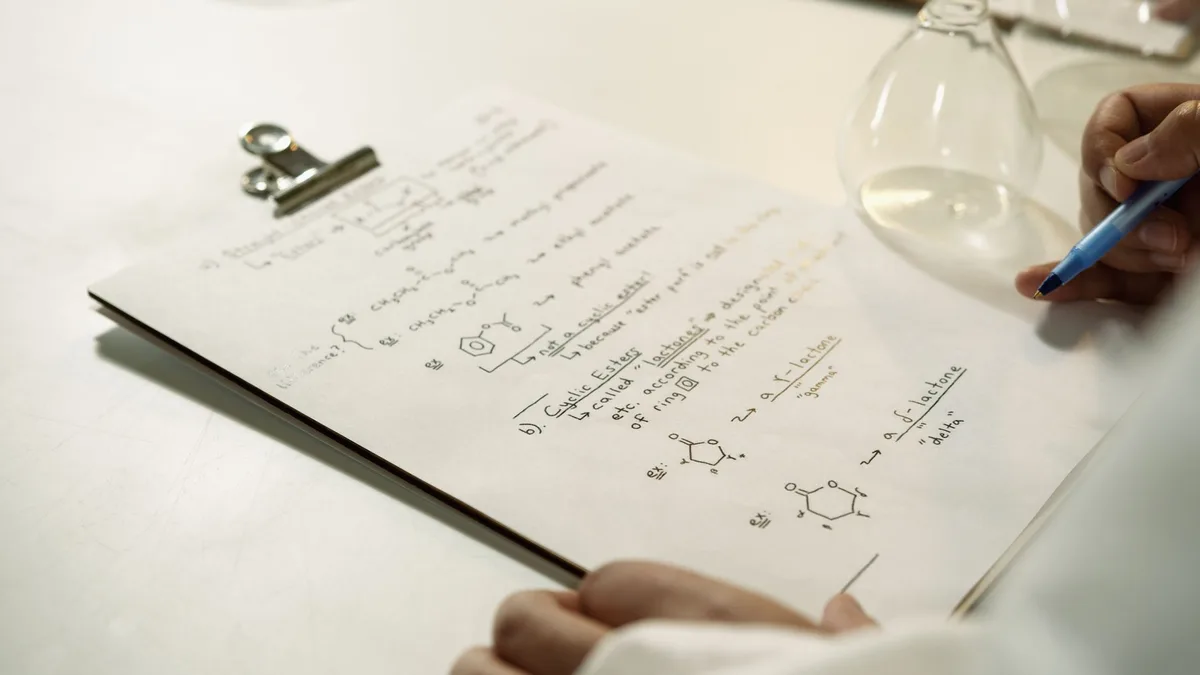
This reaction is crucial for cleaning greasy kitchen surfaces, oily machinery, or any area where fat and oil build-up is a problem. Without saponification, grease just smears around or requires intense scrubbing.
Tackling Proteins and Organic Messes
Beyond just grease, alkaline cleaners are also effective against protein-based soils. This includes things like dried food splatters, blood, or other organic matter. The high pH can denature proteins, causing them to unfold and break apart, making them easier to remove.
This makes alkaline cleaners useful in a variety of settings, from cleaning up after meal preparation in a kitchen to more heavy-duty applications in food processing environments. They also help break down general organic dirt and grime, contributing to a more thorough clean.
Where Do You Typically Find Alkaline Cleaners?
Because of their potent cleaning action on specific types of soil, alkaline cleaners have become staples in many households and industries. You'll find them formulated for different purposes, often labeled as degreasers or heavy-duty cleaners.
Kitchen Superheroes
In the kitchen, alkaline cleaners are invaluable for tackling the relentless build-up of cooking grease, oil splatter, and food residue. Many oven cleaners, for instance, rely on strong alkaline ingredients to help break down baked-on grime. Stovetop degreasers and general-purpose kitchen cleaners also often incorporate alkaline agents to keep surfaces spotless.
Workshop Warriors
For mechanics, DIY enthusiasts, and industrial settings, alkaline cleaners are essential for dealing with oily machinery, parts washers, and greasy concrete floors. They can cut through heavy automotive grease, industrial lubricants, and workshop spills that would prove very difficult for milder cleaners.
Everyday Household Helpers
Beyond specific tough jobs, many multi-surface cleaners and bathroom cleaners utilize alkaline properties to help lift soap scum, mildew, and everyday dirt. Their versatility makes them a common choice for everyday cleaning tasks where a bit more cleaning power is needed.
The Surfaces Where Alkaline Cleaners Shine (and Where to Avoid)
Alkaline cleaners are highly effective, but their strength means they aren't suitable for every surface. Knowing where they work best and where to use caution is key to preventing damage.
Great for: Tough Surfaces
These cleaners are generally safe and highly effective on:
- Stainless Steel: Excellent for cutting grease on appliances and countertops.
- Ceramic Tiles: Good for removing soap scum and grime in bathrooms and kitchens.
- Concrete: Effective for cleaning oily garage floors or workshop areas.
- Enamel: Often suitable for bathtubs and sinks, as per manufacturer instructions.
Caution Needed: Delicate Materials
You'll want to approach alkaline cleaners with extra care, or avoid them entirely, on materials that can be sensitive to high pH levels:
- Aluminum: Strong alkaline cleaners can cause pitting and discoloration on aluminum surfaces.
- Painted Surfaces: Some paints, especially older or less durable finishes, can be dulled, discolored, or stripped by alkaline cleaners. Always test in an inconspicuous area first.
- Wood: Unsealed or waxed wood can absorb moisture and be damaged by alkaline cleaners.
- Natural Stone (e.g., Marble, Granite): Some stones can be etched or lose their polish when exposed to high-pH cleaners. Always verify the cleaner's compatibility with your specific stone.
Staying Safe: Essential Precautions for Using Alkaline Cleaners
Because alkaline cleaners are powerful, it's crucial to prioritize safety when using them. Ignoring these precautions can lead to skin irritation, eye damage, or compromise your respiratory health.
Your Personal Protection: Gloves and Glasses
Always wear chemical-resistant gloves when handling alkaline cleaners. Their high pH can strip natural oils from your skin, leading to dryness, irritation, or even chemical burns with prolonged exposure.

Similarly, eye protection is non-negotiable. Splashes can cause severe eye irritation or damage. Safety glasses or goggles create a barrier against accidental sprays or drips.
Room to Breathe: The Importance of Ventilation
Working with alkaline cleaners, especially in enclosed spaces, can release fumes. It's vital to ensure good ventilation. Open windows and doors, or use an exhaust fan to circulate fresh air and minimize inhalation of strong chemical vapors.
Spot Test First: Preventing Unwanted Reactions
Before applying an alkaline cleaner to an entire surface, always test it on a small, hidden area. This allows you to observe how the cleaner interacts with the material. Some surfaces, particularly painted finishes and certain natural stones, may react negatively, showing discoloration or etching.
Mistakes to Avoid: Common Errors with Alkaline Cleaners
Users often make a few recurring mistakes that can lead to suboptimal results or even damage when using alkaline cleaners. A common error is misjudging the concentration. Many users dilute cleaners too much, reducing their effectiveness on tough grease, or conversely, use them undiluted when a milder solution would suffice and be safer for the surface.
Another mistake is incorrect dwell time; leaving the cleaner on too long can etch or damage sensitive materials, while not leaving it long enough fails to break down heavy grime. A critical error observed in aggregate user feedback is using alkaline cleaners on incompatible surfaces without testing first, leading to discoloration or pitting on materials like aluminum or certain natural stones.
How to Avoid Surface Damage?
To prevent surface damage, always consult the product's label for recommended dilution ratios and maximum contact times. Before applying to a large area, test the cleaner on an inconspicuous spot. For sensitive materials like painted surfaces, unsealed wood, or porous stones, a pH-neutral or specialized cleaner is often a safer choice.
If unsure, it's always better to start with a weaker solution and increase strength or dwell time only if necessary and confirmed safe for the material.
Alkaline vs. Acidic vs. Neutral Cleaners: Knowing the Difference
Choosing the right cleaner type depends entirely on the soil you're targeting. Alkaline cleaners, with a pH above 7, are your best bet for breaking down greasy, oily, and protein-based soils through saponification. Acidic cleaners, with a pH below 7, excel at dissolving mineral deposits, rust, and hard water stains.
Neutral cleaners hover around a pH of 7 and offer a gentler approach, suitable for everyday cleaning of most surfaces without the risk of damaging sensitive materials. Using the correct pH level for the job saves time, reduces effort, and minimizes the risk of unintended surface alteration.
When to Reach for an Alkaline Cleaner: Practical Use Cases
Alkaline cleaners are incredibly effective for specific, stubborn cleaning tasks. They are the go-to choice for degreasing kitchen appliances, cutting through baked-on food residue in ovens, or tackling oily stains on workshop floors. Their ability to saponify fats makes them ideal for cleaning anything that has come into contact with cooking oils or animal fats.
You'll also find them useful for removing soap scum and mildew in bathrooms.
Kitchen Scenarios
- Oven Cleaning: Excellent for dissolving baked-on grease and food remnants.
- Stovetop Degreasing: Cuts through splattered cooking oil and residue.
- Range Hoods: Removes greasy film that accumulates over time.
Workshop and Garage Scenarios
- Engine Degreasing: Helps break down heavy automotive grease and oil.
- Concrete Floor Cleaning: Effective for removing oil spots and general grime.
- Tool Cleaning: Can be used to remove hardened grease from tools and machinery.
Expert Tips for Using Alkaline Cleaners Effectively
To get the most out of your alkaline cleaners while ensuring safety, remember a few key pointers. Always follow the manufacturer's instructions for dilution and application; these are often found on the product label or the manufacturer's official website. For tough stains, pre-treating the area or allowing the cleaner a longer dwell time can significantly improve results, but always within the product's recommended maximum contact period.
Agitation, such as gentle scrubbing with a brush or sponge, can also help lift loosened grime more effectively.
Optimizing Dwell Time and Dilution
- Dwell Time: For lighter soil, a few minutes might be sufficient. Heavily soiled areas may require 10-30 minutes, but always refer to product guidelines. Never let the cleaner dry on the surface.
- Dilution: Start with the recommended dilution. If results are insufficient, slowly increase concentration, monitoring the surface for any adverse reactions. A typical starting point might be 1:10 or 1:20 cleaner to water ratio, depending on the product strength.
Frequently Asked Questions
What pH level defines an alkaline cleaner?
An alkaline cleaner is defined by its pH level being greater than 7 on the standard pH scale, indicating it is basic.
Can alkaline cleaners damage certain surfaces?
Yes, strong alkaline cleaners can damage or discolor sensitive materials like aluminum, some painted surfaces, unsealed wood, and certain natural stones. Always test first.
How do alkaline cleaners differentiate from acidic cleaners?
Alkaline cleaners break down grease, oils, and proteins, while acidic cleaners are designed to dissolve mineral deposits, rust, and hard water stains.
Is ventilation important when using alkaline cleaners?
Yes, good ventilation is crucial because alkaline cleaners can release fumes that may be irritating or harmful if inhaled.
What kind of personal protective equipment (PPE) is needed?
When using alkaline cleaners, it's essential to wear chemical-resistant gloves and eye protection, such as safety glasses or goggles.