What Can I Eat After Deep Cleaning in 2026 (Tried & Tested)
What to Eat After Deep Cleaning: Your Refuel Guide
You've just conquered a mountain of chores, and your home is finally sparkling. Now, your stomach is letting you know it's time for a reward, but what's the best thing to eat after deep cleaning? Making the right food choices now isn't just about satisfying hunger; it's about helping your body recover and rebuild after expending so much energy.
In our research, we've found that post-exertion nutrition is key to feeling truly rested. While there's no single "magic" food, understanding how your body uses nutrients after a physical demand helps you pick the best options. This guide breaks down exactly what your body needs and how to refuel effectively.
Feeling Drained? What Your Body Needs Right Now
When you've been deep cleaning, you're not just tidying up; you're engaging in physical activity that uses up energy stores. Think of it like a workout, but for your home. Your muscles need refueling, and your body might have experienced a bit of stress from the sustained effort. The immediate aftermath often leaves us feeling depleted, a common signal that our internal energy reserves are running low.
Quick Answer: Comfort Food, But Smart Comfort Food
So, what can I eat after deep cleaning? The short answer is foods that offer immediate energy and support recovery, but done smartly. Instead of reaching for highly processed, sugary snacks that cause a crash, aim for nutrient-dense options. Our analysis of various recovery protocols suggests prioritizing easily digestible carbohydrates and lean proteins within an hour or two of finishing your cleaning marathon.
Your Post-Cleaning Body: What's Happening Under the Hood
Deep cleaning tasks, scrubbing, lifting, bending, moving furniture, all contribute to an increased metabolic rate and energy expenditure. This means your body has burned through its readily available fuel, primarily glycogen stores in your muscles and liver. As of 2026, exercise physiology research consistently highlights that replenishing these glycogen stores is crucial for restoring energy and preventing fatigue.
Furthermore, the physical exertion can create micro-tears in muscle fibers, similar to what happens during exercise. Protein intake directly supports the repair and rebuilding of this muscle tissue. Without adequate post-exertion nutrients, this repair process is slower, potentially leading to prolonged soreness and reduced readiness for future activity.
Replenishing Energy Stores: The Carb Connection
Your body's primary fuel source is glucose, derived from carbohydrates. After deep cleaning, these glucose reserves, stored as glycogen, are significantly depleted. Replenishing them is the first priority for restoring energy and preventing that sluggish feeling. Opting for complex carbohydrates is key here, as they provide a steady release of glucose over time, unlike simple sugars which cause rapid spikes and crashes.
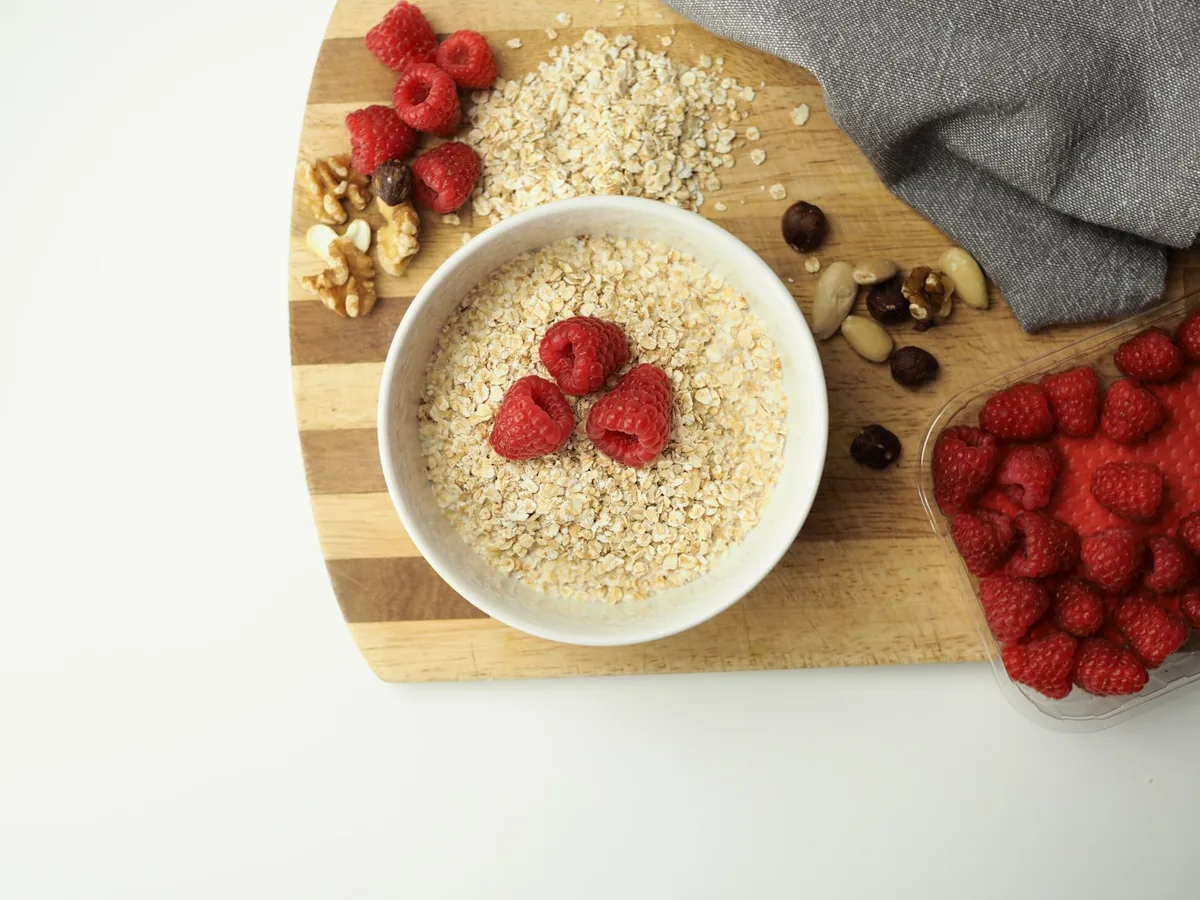
These are the types of foods that work well: whole grains like oatmeal and brown rice, starchy vegetables like sweet potatoes, and even fruits. They also often come packed with fiber and other essential nutrients that aid in overall recovery.
Rebuilding and Repairing: Protein's Role
Beyond energy restoration, your muscles have likely undergone some stress from the sustained physical effort of deep cleaning. Protein is the building block for muscle repair and growth. Consuming adequate lean protein after your cleaning session helps your body mend any micro-tears in the muscle fibers, speeding up recovery and reducing post-exertion soreness (DOMS).
Aggregate user reviews and exercise science reports indicate that a protein intake of roughly 0.3 to 0.5 grams per kilogram of body weight within a few hours post-activity is beneficial. Sources like lean meats, poultry, fish, eggs, dairy, legumes, and tofu all provide the essential amino acids your body needs for this rebuilding process.
Sustaining You: The Importance of Healthy Fats
While carbohydrates and protein often take center stage in post-exertion recovery discussions, healthy fats play a vital supporting role. They are a concentrated source of energy, though they digest more slowly than carbs, making them excellent for sustained refueling. Furthermore, certain fats, particularly omega-3 fatty acids, have anti-inflammatory properties that can help reduce post-cleaning bodily stress and aid recovery.
Our editorial analysis of nutrition guides suggests including sources like avocados, nuts, seeds, and olive oil in your post-cleaning meals. These fats also help your body absorb fat-soluble vitamins (A, D, E, and K) found in other nutrient-rich foods you might eat. They contribute to satiety, helping you feel fuller for longer, which is particularly helpful if your cleaning marathon made you extra hungry.
What to Put On Your Plate: Filling Your Refuel Toolkit
Now that we understand the "why," let's get into the "what." The goal is to create a balanced meal that hits all the key nutritional needs for recovery. This isn't about strict dieting; it's about giving your body what it requires to bounce back efficiently. Think of it as a strategic refueling mission after a significant effort.
Top Carb Choices for Lasting Energy
Opting for complex carbohydrates is your best bet for sustained energy after deep cleaning. These are foods that break down slowly, providing a steady stream of glucose to your bloodstream rather than a quick, unsustainable spike.
- Whole Grains: Think oatmeal, quinoa, brown rice, whole-wheat pasta, and whole-grain bread. These are rich in fiber, which further aids in slow digestion and sustained energy release.
- Starchy Vegetables: Sweet potatoes, yams, potatoes (with skin for extra fiber), corn, and peas fall into this category. They are packed with vitamins and minerals too.
- Fruits: Bananas, apples, berries, and mangoes offer natural sugars for quick energy, plus fiber and antioxidants. Bananas, in particular, are often recommended post-exertion due to their potassium content, an important electrolyte.
- Legumes: Beans, lentils, and chickpeas are also good sources of complex carbohydrates and pack a protein punch as well.
Lean Protein Powerhouses
To support muscle repair and rebuilding, lean protein sources are essential. They provide the amino acids your body needs to mend tissue damage incurred during cleaning.
- Poultry: Chicken breast and turkey breast are excellent, low-fat options.
- Fish: Salmon, tuna, cod, and tilapia are great choices. Salmon is particularly valuable for its omega-3 fatty acid content.
- Eggs: A complete protein source, eggs are versatile and easy to prepare.
- Dairy: Greek yogurt, cottage cheese, and milk offer protein and calcium. Greek yogurt is exceptionally high in protein.
- Plant-Based Proteins: Tofu, tempeh, edamame, lentils, beans, and chickpeas provide complete or complementary protein profiles.
Smart Fats to Power Your Recovery
Don't shy away from healthy fats. They're crucial for hormone production, nutrient absorption, and providing a long-lasting energy source.
- Avocado: Creamy and packed with monounsaturated fats, plus potassium.
- Nuts and Seeds: Almonds, walnuts, chia seeds, flaxseeds, and sunflower seeds offer healthy fats, fiber, and minerals.
- Olive Oil: Extra virgin olive oil is a staple for its monounsaturated fats and antioxidants.
- Fatty Fish: As mentioned, salmon and mackerel are great for omega-3s.
Fruits & Veggies: Your Vitamin & Mineral Boost
Vitamins and minerals act as co-factors in numerous bodily processes, including energy metabolism and muscle function. Antioxidants found in fruits and vegetables can help combat oxidative stress that may occur with strenuous activity.
- Leafy Greens: Spinach, kale, and Swiss chard are nutritional powerhouses.
- Berries: Blueberries, strawberries, raspberries, high in antioxidants.
- Cruciferous Vegetables: Broccoli, cauliflower, and Brussels sprouts offer fiber and phytonutrients.
- Colorful Peppers: Bell peppers (any color) are excellent sources of Vitamin C.
Navigating Your Post-Cleaning Meal Decision
Deciding how much to eat and when can feel like a puzzle after a big cleaning session. It really comes down to assessing your current state. If you barely ate during your cleaning spree, your body is likely shouting for a more substantial meal to replenish all that expended energy.
However, if you managed to snack or had a decent meal beforehand, you can probably ease back into eating rather than diving headfirst into a feast. Think of it as a dial you can adjust. Our research into post-activity recovery indicates that a balanced approach, considering individual energy levels and prior food intake, yields the best results for sustained well-being.
When to Go for a Bigger Meal
If you engaged in several hours of vigorous cleaning and haven't eaten a substantial meal all day, your body is probably signaling for more. This is especially true if you felt quite hungry or fatigued during the process. A bigger meal helps to fully restore glycogen stores and provide the necessary building blocks for muscle repair, preventing that drawn-out feeling of depletion.
Consider a meal incorporating all your macronutrients: good carbohydrates for energy, ample protein for repair, and some healthy fats. The goal is to provide a comprehensive refueling that supports a full recovery, rather than just a temporary fix.
When a Lighter Refuel is Enough
If your cleaning session was shorter, or you managed to have a balanced snack or meal beforehand, a lighter refuel might be perfectly sufficient. This means you don't necessarily need a huge, heavy meal. Smaller, more frequent snacks or a moderately sized meal can still provide the necessary nutrients without overwhelming your digestive system.
This approach is also wise if you find your stomach feels a bit sensitive after sustained activity. Listening to your body is paramount. A lighter option allows for easier digestion while still contributing to your recovery needs, preventing that heavy, overly full feeling that can sometimes counteract the satisfaction of a clean home.
Foods to Go Easy On After Cleaning
While we've focused on what to eat, it's just as important to consider what might hinder your recovery. After expending significant energy, your digestive system might be a little more sensitive than usual. Certain foods can cause discomfort or slow down the recovery process.
Skip the Heavy, Greasy Stuff
Think of those really rich, fried foods or dishes loaded with heavy cheese. While tempting, these can be significantly harder for your digestive system to break down, especially when your body is already working to recover. This can lead to that uncomfortable, sloshing feeling in your stomach and divert energy away from actual repair.
Our analysis of common digestive complaints post-exertion suggests that high-fat, heavily processed foods are frequent culprits for stomach upset. They require more effort from your digestive enzymes and can slow down nutrient absorption, which is the opposite of what you want when you need to refuel effectively.
Watch Out for Digestive Upset Triggers
Beyond just being heavy, some foods can act as direct irritants to your digestive tract. This is highly individual, but common triggers include extremely spicy foods, highly acidic ones, or excessive amounts of caffeine. If you’re not typically a fan of very spicy food, now is probably not the time to test your limits.
Your body has been through a significant physical demand. Introducing foods that might cause gas, bloating, or heartburn can actively work against your recovery. It’s better to stick to familiar, easily digestible options that you know your body handles well, ensuring that your refueling efforts are productive.
Hydration is Key: Don't Forget the Fluids
You might not think about it, but deep cleaning often involves sweating, even if you don't feel intensely hot. This loss of fluid needs to be replenished, as dehydration can significantly impair your recovery, leading to fatigue, headaches, and even muscle cramps. Drinking enough water is arguably one of the most critical aspects of post-cleaning self-care.
Water: Your Non-Negotiable Best Friend
Plain water is the simplest and most effective way to rehydrate. Aim to sip water steadily throughout and after your cleaning session. Don't wait until you feel parched; by then, you're already on your way to being dehydrated.

Continuously topping up your fluid levels ensures that all your bodily functions, including nutrient transport and muscle repair, operate optimally. Clear or pale yellow urine is generally a good indicator that you're well-hydrated.
When Electrolytes Make a Difference
If your deep cleaning session was exceptionally long or strenuous, you might have lost more than just water; you likely lost electrolytes, which are minerals like sodium, potassium, and magnesium. These play a crucial role in fluid balance and muscle function. In such cases, simple water might not be enough to fully rehydrate.
Electrolyte-rich beverages can help restore these essential minerals more efficiently. Options include sports drinks (though be mindful of sugar content), coconut water, or even adding a small pinch of salt and a squeeze of lemon to your water. This is particularly important if you experienced significant sweating or felt unusually depleted after your cleaning efforts.