What Can I Eat After Deep Cleaning of Teeth 2026
Hey there! So you've had a deep cleaning done, huh? That's great for your oral health, but I know the first few hours, maybe even a day or two, can feel a bit… sensitive. Your gums might be a little sore, and things you normally munch on might feel like they’re trying to tickle a bruise.
Don't worry, we've all been there! The key is to be kind to your mouth while it heals and lets you get back to business.
Think of it like giving your teeth and gums a little spa day. They need some gentle care afterward to really enjoy the benefits.
The Goal: Comfort and Healing for Your Gums
After a deep cleaning, sometimes called scaling and root planing, your dentist or hygienist has worked hard to remove plaque and tartar build-up, especially below the gum line. This thorough cleaning can leave your gums a bit tender. Our main mission with food right now is to avoid irritating them, prevent any potential infection, and not undo all that good work. According to general dental best practices, allowing up to 48 hours for initial gum healing is often recommended after such procedures.
Our primary focus for this period is on foods that promote comfort and aid in recovery without causing further discomfort.
What to Go For: The "Soothing Squad"
When your mouth feels a bit delicate, reaching for the right foods can make a big difference. We're looking for items that are naturally soft, soothing, and require minimal chewing. These choices help keep your gums calm and prevent any accidental irritation.
Cool and Soothing Liquids
Water is your absolute best friend during this time. Keeping up with hydration helps flush out any lingering particles and promotes a healthy healing environment.
- Water: Sip on it steadily throughout the day.
- Smoothies: Opt for versions made with non-acidic fruits like bananas, pears, or melon. Make sure there are no seeds or tough bits that could snag on your gums.
- Milk or Non-Dairy Alternatives: These are mild and easy to digest.
- Lukewarm Broths: Chicken, vegetable, or beef broths, served cool to lukewarm, offer hydration and a bit of savory flavor without being harsh.
Soft, Easy-to-Eat Foods
Once you feel ready to move beyond liquids, a whole world of gentle, soft foods opens up. These are foods that glide down easily and don't require vigorous chewing.
- Mashed Potatoes or Sweet Potatoes: Creamy and filling, these are perfect.
- Scrambled Eggs: A classic soft food that's packed with protein.
- Yogurt: Plain yogurt is ideal for avoiding added sugars, but mild fruit-flavored varieties can also work if your mouth isn't too sensitive.
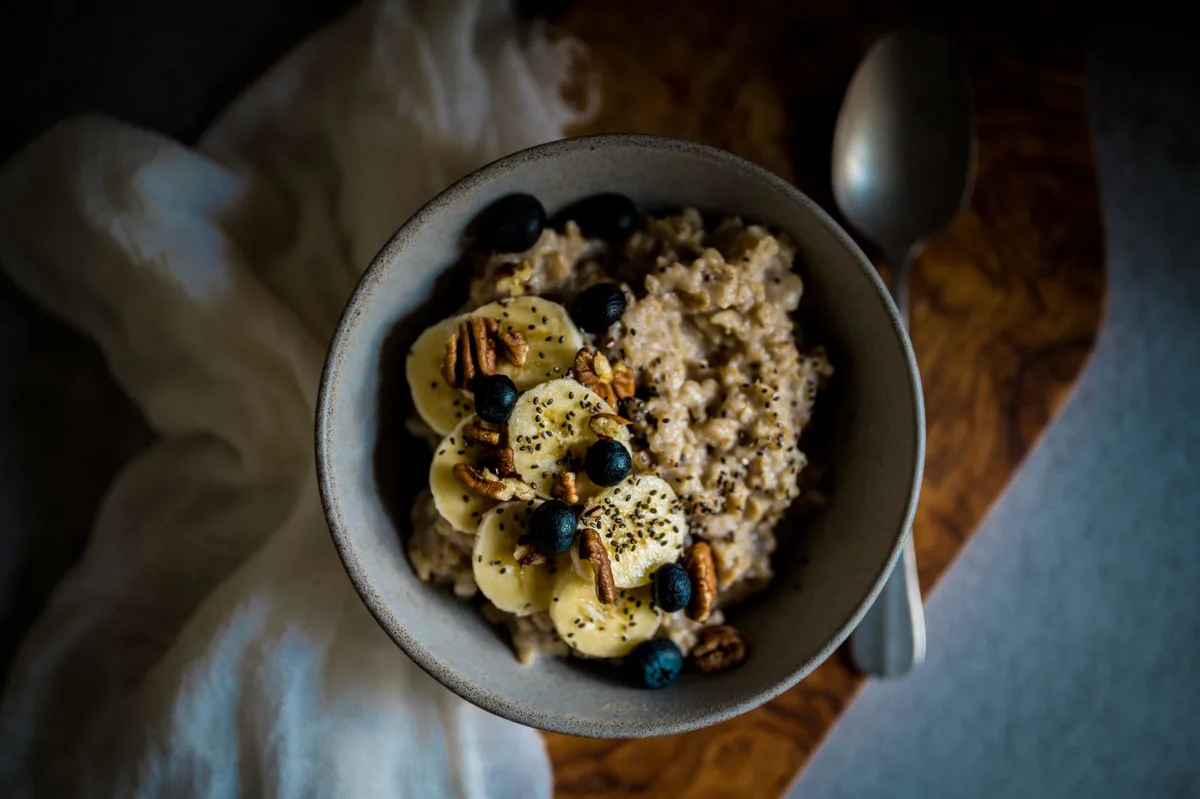
- Oatmeal or Porridge: Make sure it's cooled down to a smooth, comfortable temperature.
- Pureed Soups: Think butternut squash, creamy tomato (ensure it's not too acidic), or lentil soup.
- Avocado: Soft and nutrient-rich.
- Tofu: Cooked until very soft, it's a mild and digestible option.
- Cottage Cheese or Ricotta Cheese: These offer protein and are easy on the mouth.
- Flaky Fish: Baked or steamed fish like cod or tilapia, cooked until it's tender and falls apart easily.
- Well-cooked Pasta: Keep sauces simple and non-acidic.
What to Sidestep: The "Avoid" List
Just as important as knowing what to eat is understanding what foods can cause immediate discomfort or potentially slow down your healing process after a deep dental cleaning. Steering clear of these items is key to a smooth recovery.
Hard and Crunchy Foods
Anything with a hard texture can put pressure on sensitive gums or, worse, cause tiny abrasions. These are big no-nos in the initial days.
- Chips, Popcorn, Nuts, and Seeds: Their sharp edges and hardness are a recipe for pain.
- Hard Candies or Ice: You don't want anything that requires prolonged biting or gnawing.
- Raw Vegetables: Think carrots, celery, or bell peppers. They're tough and can be abrasive.
- Crispy Toast or Crackers: These can feel like tiny shards against sore gums.
Spicy Foods
Spices, especially chili peppers and hot sauces, can sting inflamed gum tissue. It's best to give your mouth a break from anything that causes a burning sensation.
Acidic Foods and Drinks
Acidic items can irritate sensitive gums and potentially affect the freshly cleaned tooth enamel.
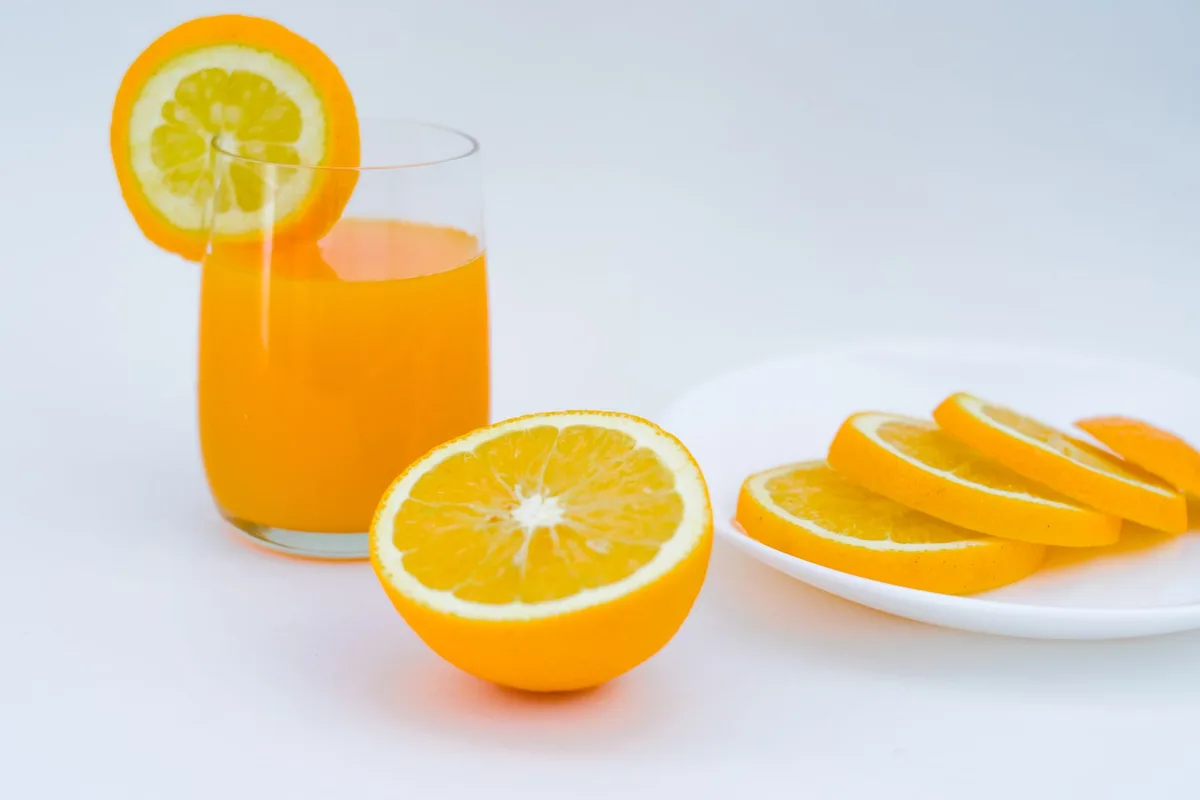
- Citrus Fruits: Oranges, lemons, grapefruits, and limes are high in acid.
- Tomatoes: While healthy, the acidity in large amounts or concentrated sauces might be too much initially.
- Vinegar-Based Dressings: Often found in salads and marinades.
- Carbonated Drinks: Sodas and sparkling water, even if not flavored, can have an acidic pH that irritates.
Very Hot Foods and Drinks
Extreme temperatures can shock sensitive tissues. While not as damaging as irritants, very hot items can increase discomfort significantly. Stick to lukewarm or cool temperatures for everything.
Sticky Foods
These can adhere to teeth and gums, making them harder to clean and potentially pulling at sensitive areas. Think caramels, taffy, or gummy candies.
Quick Decision Guide: How Are You Feeling?
The best way to decide what to eat is to honestly assess how your mouth feels right now. Your dentist likely provided specific post-procedure instructions, which you should always follow. However, if you're looking for general guidance based on your comfort level, this can help.
Feeling Pretty Sore?
If your gums are quite tender, throbbing, or you experience significant discomfort when anything touches them, stick to the absolute softest options. Your mouth is telling you it needs maximum gentleness. This is the time for liquids and very smooth purées.
- Prioritize: Smoothies (non-acidic fruit, no seeds), lukewarm broths, plain yogurt, and well-blended soups.
- Avoid: Anything that requires even minimal chewing, including very soft solids.
Feeling Mildly Tender?
If you have some tenderness but can tolerate gentle pressure, you can probably introduce softer solids. These foods should still be easy to swallow with little to no chewing.
- Prioritize: Mashed potatoes, scrambled eggs, oatmeal, soft-cooked fish, cottage cheese.
- Introduce Cautiously: Consider very soft pasta or well-cooked vegetables if they don't cause any discomfort.
Feeling Almost Back to Normal?
If the soreness has significantly subsided and your dentist has given you the all-clear, you can start to gradually reintroduce a wider range of foods. However, it's still wise to be mindful.
- Continue Avoiding: Anything excessively hard, crunchy, spicy, or acidic for at least another day or two.
- Listen Closely: Pay attention to how your mouth reacts to different textures and flavors. If something feels off, revert to softer options.
Extra Tips for a Smoother Recovery
Beyond just what you eat, a few other small habits can make your post-cleaning experience much more comfortable. These are simple things that support your mouth’s healing process without requiring a lot of effort.
- Chew on the Other Side: If one side of your mouth feels more sensitive than the other, consciously try to do most of your chewing on the less tender side. This helps distribute the workload and minimizes irritation to the sore areas.
- Rinse Gently: Your dentist might recommend a specific saltwater rinse or antiseptic mouthwash. If not, a very gentle rinse with warm salt water (about half a teaspoon of salt dissolved in a cup of warm water) can be quite soothing. Swish gently and spit; don't vigorously rinse or gargle, as this might disturb your gums. This practice is often advised for its mild antiseptic properties and to help reduce inflammation.
- Listen to Your Body: This is the biggest one. Your mouth will tell you what it needs. If a particular food, even if it’s on the recommended list, feels like it's irritating your gums or causing pain, stop eating it. There’s no strict rulebook that overrides how you personally feel.
- Hydration is Key: Seriously, drink plenty of water. It helps wash away any food debris that might get caught around your teeth or gums, which can prevent irritation and potential infections. Staying hydrated also supports overall tissue healing.
What to Eat After a Deep Dental Cleaning: A Gentle Guide
Hey there! So you've had a deep cleaning done, huh? That's great for your oral health, but I know the first few hours, maybe even a day or two, can feel a bit… sensitive. Your gums might be a little sore, and things you normally munch on might feel like they’re trying to tickle a bruise.
Don't worry, we've all been there! The key is to be kind to your mouth while it heals and lets you get back to business.
Think of it like giving your teeth and gums a little spa day. They need some gentle care afterward to really enjoy the benefits.
The Goal: Comfort and Healing for Your Gums
After a deep cleaning, sometimes called scaling and root planing, your dentist or hygienist has worked hard to remove plaque and tartar build-up, especially below the gum line. This thorough cleaning can leave your gums a bit tender. Our main mission with food right now is to avoid irritating them, prevent any potential infection, and not undo all that good work. According to general dental best practices, allowing up to 48 hours for initial gum healing is often recommended after such procedures.
Our primary focus for this period is on foods that promote comfort and aid in recovery without causing further discomfort.
What to Go For: The "Soothing Squad"
When your mouth feels a bit delicate, reaching for the right foods can make a big difference. We're looking for items that are naturally soft, soothing, and require minimal chewing. These choices help keep your gums calm and prevent any accidental irritation.
Cool and Soothing Liquids
Water is your absolute best friend during this time. Keeping up with hydration helps flush out any lingering particles and promotes a healthy healing environment.
- Water: Sip on it steadily throughout the day.
- Smoothies: Opt for versions made with non-acidic fruits like bananas, pears, or melon. Make sure there are no seeds or tough bits that could snag on your gums.
- Milk or Non-Dairy Alternatives: These are mild and easy to digest.
- Lukewarm Broths: Chicken, vegetable, or beef broths, served cool to lukewarm, offer hydration and a bit of savory flavor without being harsh.
Soft, Easy-to-Eat Foods
Once you feel ready to move beyond liquids, a whole world of gentle, soft foods opens up. These are foods that glide down easily and don't require vigorous chewing.
- Mashed Potatoes or Sweet Potatoes: Creamy and filling, these are perfect.
- Scrambled Eggs: A classic soft food that's packed with protein.
- Yogurt: Plain yogurt is ideal for avoiding added sugars, but mild fruit-flavored varieties can also work if your mouth isn't too sensitive.
- Oatmeal or Porridge: Make sure it's cooled down to a smooth, comfortable temperature.
- Pureed Soups: Think butternut squash, creamy tomato (ensure it's not too acidic), or lentil soup.
- Avocado: Soft and nutrient-rich.
- Tofu: Cooked until very soft, it's a mild and digestible option.
- Cottage Cheese or Ricotta Cheese: These offer protein and are easy on the mouth.
- Flaky Fish: Baked or steamed fish like cod or tilapia, cooked until it's tender and falls apart easily.
- Well-cooked Pasta: Keep sauces simple and non-acidic.
What to Sidestep: The "Avoid" List
Just as important as knowing what to eat is understanding what foods can cause immediate discomfort or potentially slow down your healing process after a deep dental cleaning. Steering clear of these items is key to a smooth recovery.
Hard and Crunchy Foods
Anything with a hard texture can put pressure on sensitive gums or, worse, cause tiny abrasions. These are big no-nos in the initial days.
- Chips, Popcorn, Nuts, and Seeds: Their sharp edges and hardness are a recipe for pain.
- Hard Candies or Ice: You don't want anything that requires prolonged biting or gnawing.
- Raw Vegetables: Think carrots, celery, or bell peppers. They're tough and can be abrasive.
- Crispy Toast or Crackers: These can feel like tiny shards against sore gums.
Spicy Foods
Spices, especially chili peppers and hot sauces, can sting inflamed gum tissue. It's best to give your mouth a break from anything that causes a burning sensation.
Acidic Foods and Drinks
Acidic items can irritate sensitive gums and potentially affect the freshly cleaned tooth enamel.
- Citrus Fruits: Oranges, lemons, grapefruits, and limes are high in acid.
- Tomatoes: While healthy, the acidity in large amounts or concentrated sauces might be too much initially.
- Vinegar-Based Dressings: Often found in salads and marinades.
- Carbonated Drinks: Sodas and sparkling water, even if not flavored, can have an acidic pH that irritates.
Very Hot Foods and Drinks
Extreme temperatures can shock sensitive tissues. While not as damaging as irritants, very hot items can increase discomfort significantly. Stick to lukewarm or cool temperatures for everything.
Sticky Foods
These can adhere to teeth and gums, making them harder to clean and potentially pulling at sensitive areas. Think caramels, taffy, or gummy candies.
Quick Decision Guide: How Are You Feeling?
The best way to decide what to eat is to honestly assess how your mouth feels right now. Your dentist likely provided specific post-procedure instructions, which you should always follow. However, if you're looking for general guidance based on your comfort level, this can help.
Feeling Pretty Sore?
If your gums are quite tender, throbbing, or you experience significant discomfort when anything touches them, stick to the absolute softest options. Your mouth is telling you it needs maximum gentleness. This is the time for liquids and very smooth purées.
- Prioritize: Smoothies (non-acidic fruit, no seeds), lukewarm broths, plain yogurt, and well-blended soups.
- Avoid: Anything that requires even minimal chewing, including very soft solids.
Feeling Mildly Tender?
If you have some tenderness but can tolerate gentle pressure, you can probably introduce softer solids. These foods should still be easy to swallow with little to no chewing.
- Prioritize: Mashed potatoes, scrambled eggs, oatmeal, soft-cooked fish, cottage cheese.
- Introduce Cautiously: Consider very soft pasta or well-cooked vegetables if they don't cause any discomfort.
Feeling Almost Back to Normal?
If the soreness has significantly subsided and your dentist has given you the all-clear, you can start to gradually reintroduce a wider range of foods. However, it's still wise to be mindful.
- Continue Avoiding: Anything excessively hard, crunchy, spicy, or acidic for at least another day or two.
- Listen Closely: Pay attention to how your mouth reacts to different textures and flavors. If something feels off, revert to softer options.
Extra Tips for a Smoother Recovery
Beyond just what you eat, a few other small habits can make your post-cleaning experience much more comfortable. These are simple things that support your mouth’s healing process without requiring a lot of effort.
- Chew on the Other Side: If one side of your mouth feels more sensitive than the other, consciously try to do most of your chewing on the less tender side. This helps distribute the workload and minimizes irritation to the sore areas.
- Rinse Gently: Your dentist might recommend a specific saltwater rinse or antiseptic mouthwash. If not, a very gentle rinse with warm salt water (about half a teaspoon of salt dissolved in a cup of warm water) can be quite soothing. Swish gently and spit; don't vigorously rinse or gargle, as this might disturb your gums. This practice is often advised for its mild antiseptic properties and to help reduce inflammation.
- Listen to Your Body: This is the biggest one. Your mouth will tell you what it needs. If a particular food, even if it’s on the recommended list, feels like it's irritating your gums or causing pain, stop eating it. There’s no strict rulebook that overrides how you personally feel.
- Hydration is Key: Seriously, drink plenty of water. It helps wash away any food debris that might get caught around your teeth or gums, which can prevent irritation and potential infections. Staying hydrated also supports overall tissue healing.