What Is Clean In Place Equipment: A 2026 Guide
Clean-in-place equipment is an automated system that cleans process equipment without disassembly.
If you work with food, dairy, beverages, biotech, or pharma, you see the value. In this guide, I explain what is clean in place equipment with clear steps, real plant tips, and expert checks. I have designed, run, and audited CIP systems. You will learn what works, where it fails, and how to make smart choices.

What Is Clean-in-Place (CIP) Equipment?
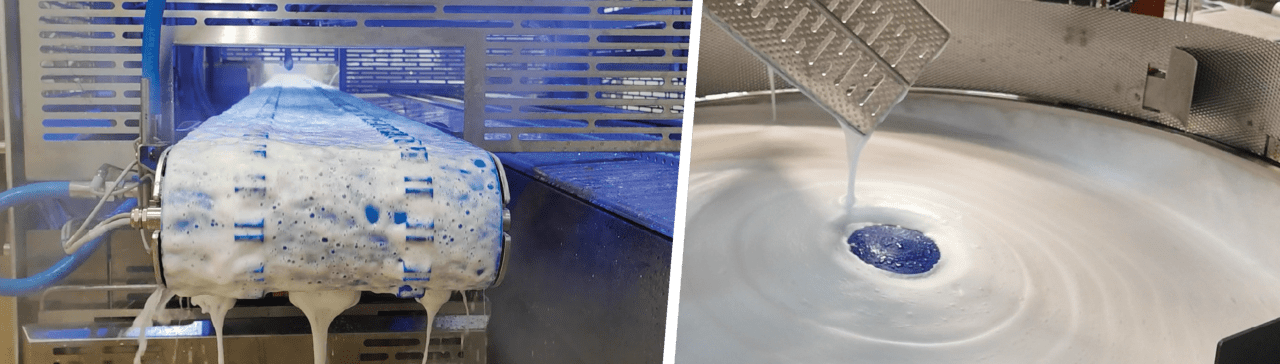
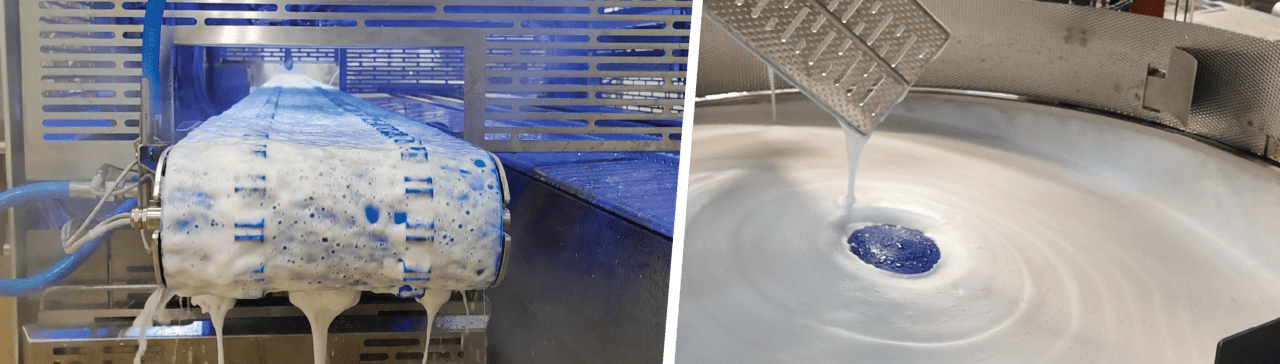
Clean-in-place equipment is a closed loop system. It pumps and recovers cleaning solutions to wash pipes, tanks, and valves. It does this without taking the process apart. That saves time, water, and labor, while keeping safety high.
When people ask what is clean in place equipment, I point to one test. Can you clean your line fast, repeatable, and safe, with no hand tools? If yes, your plant likely runs a CIP system.
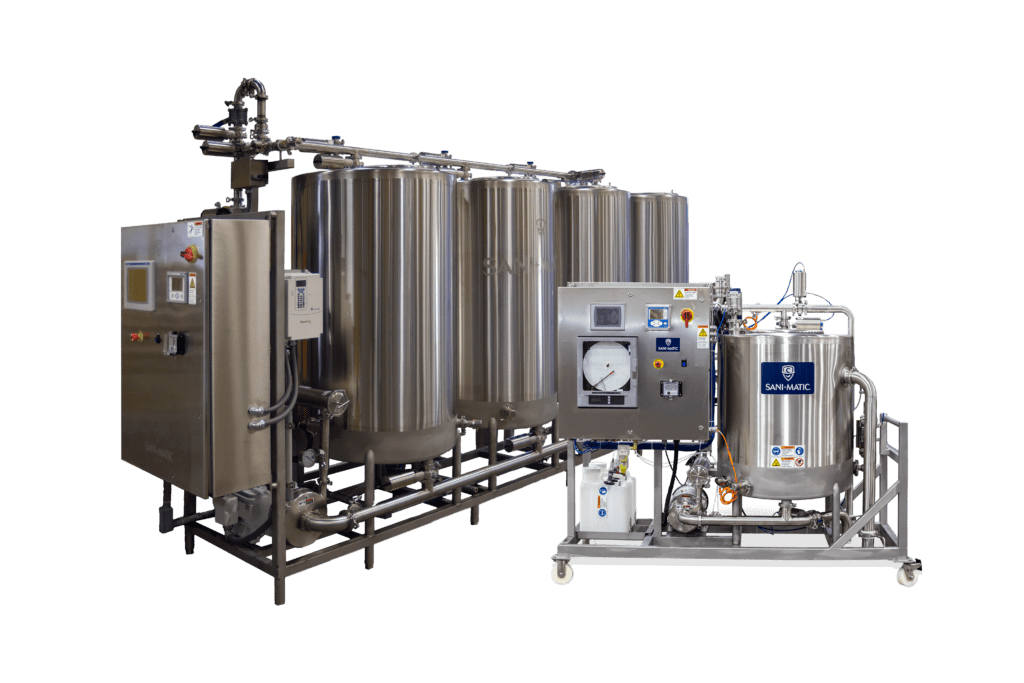
Most CIP skids include tanks, pumps, heat, valves, and a control panel. They connect to process circuits and return lines. Sensors check flow, temperature, and concentration. The PLC logs proof of clean for audits.

How CIP Systems Work
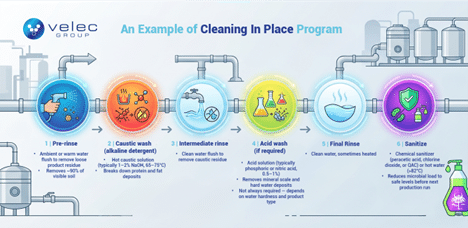
A CIP cycle is a recipe. It sends rinse, caustic, acid, and final rinse in the right order. Each step has time, flow, heat, and chemistry targets. The system recirculates to cut waste.
A simple cycle looks like this:
- Pre-rinse to remove bulk soil
- Caustic wash to break fats and proteins
- Intermediate rinse to flush soil
- Acid wash to remove scale and beer stone
- Final rinse and sanitizer, if needed
- Drain and air blow to leave the line dry
This is the heart of what is clean in place equipment. It is repeatable, closed, and verified. It lets operators focus on making product, not washing pipes.
Core Components of CIP Equipment
A robust CIP skid includes:
- Tanks for water, caustic, and acid
- High flow centrifugal pump for turbulent wash
- Heat source such as steam plate exchanger
- Flow meter, conductivity meter, and temperature probes
- Automated valves and a sanitary manifold
- Return pump and strainers for soil capture
- PLC and HMI with recipe control and batch reports
Good design follows 3-A, EHEDG, and ASME BPE rules for hygiene. Smooth welds and cleanable seals matter. So do drain angles and dead-leg limits.

CIP Design Types and Configurations
CIP systems come in a few common forms:
- Single-tank, once-through for small or allergen-sensitive lines
- Two- or three-tank return systems to save water and chemicals
- Multi-channel skids for parallel circuits and fast changeovers
- Portable cart CIP for small breweries and R&D labs
- COP (clean-out-of-place) tanks for parts that cannot be CIP’ed
The best match depends on soils, risk, and budget. When teams ask what is clean in place equipment for their plant, we map circuits, soils, and run time. Then we size tanks and pumps to fit the need.
Applications by Industry
You will find CIP in:
- Dairy: HTST loops, pasteurizers, and silo lines
- Beverage: syrup rooms, fillers, and bright beer tanks
- Food: sauces, chocolate, and CIP-able spiral freezers
- Brewing: brewhouses, fermenters, and bright tanks
- Pharma and biotech: WFI loops, buffer tanks, and skids
Rules shift by sector. Food plants use HACCP and ISO 22000. Pharma follows cGMP and ASME BPE. But the CIP core stays the same.
Benefits and ROI
What is clean in place equipment good for? Four big wins stand out:
- Less downtime from faster changeovers
- Lower labor risk and fewer confined-space entries
- Consistent cleaning quality and digital proof
- Lower water and chemical use with reuse loops
ROI often shows in under two years. Cut clean time by 30 to 60 percent, and the math gets easy. Add fewer recalls and safer work. The case grows strong.

Limitations, Risks, and How to Mitigate Them
CIP is not magic. Common issues include:
- Undersized pumps that fail to reach turbulent flow
- Dead legs that never see enough shear
- Wrong chemistry for the soil and water hardness
- Poor valve sequencing that cross-contaminates lines
- Incomplete records that fail audits
Mitigation tips:
- Design to Sinner’s Circle: Time, Action, Chemistry, Temperature
- Keep dead legs under 1.5 times the pipe diameter
- Validate each recipe with swabs and rinse water tests
- Add flow, temp, and conductivity interlocks
- Review alarms daily and fix root causes fast

Cleaning Chemistry and Parameters
Choose cleaning agents based on soil:
- Caustic soda for fats and proteins
- Nitric or phosphoric acid for scale and mineral film
- Enzymes for heat-set proteins or biofilm risk
- Oxidizers or peracetic acid for final sanitize
Key parameters:
- Temperature: 140 to 185°F for most food soils
- Flow: Achieve turbulent flow, Reynolds number above 4,000
- Concentration: Set by soil and supplier, tracked by conductivity
- Time: Long enough for clean, short enough to save utility
Ask vendors for titration kits and calibration curves. Check them weekly. This habit turns “what is clean in place equipment” into “why our CIP is proof-strong.”
Validation, Standards, and Regulatory Compliance
Strong programs align with:
- cGMP and 21 CFR Part 11 for electronic records
- HACCP, ISO 22000, and allergen control plans
- 3-A and EHEDG for sanitary design
- GAMP 5 for software validation
- ASME BPE for pharma-grade piping
Validation steps:
- Factory Acceptance Test with recipe checks
- Site Acceptance Test with worst-case soils
- Swab, ATP, and rinse-water chemical tests
- Periodic revalidation and change control
Document who, what, when, and why. Auditors love clean, full records.
Sizing, Selection, and Specification Checklist
Use this list when buying or upgrading:
- Define soils, product mix, and allergen risks
- Map circuits, volumes, and longest return paths
- Size pumps for target flow and head loss
- Pick tank sizes based on reuse strategy
- Decide on single-use or recovery of caustic and rinse
- Add conductivity, flow, and temperature sensors
- Require recipe management and operator log-ins
- Ask for CIP spray devices with coverage reports
- Include heat recovery to cut steam use
- Plan for future capacity and extra loops
Write the User Requirement Specification. It locks scope and avoids surprises.
Installation, Commissioning, and Maintenance
Make start-up smooth with these actions:
- Slope return lines and drain all low points
- Insulate hot sections and guard moving parts
- Set safe states for power loss and E-stops
- Train operators with clear SOPs and visuals
- Stock seals, gaskets, and titration supplies
Routine care:
- Calibrate sensors on a set schedule
- Inspect spray balls for clogging and wear
- Verify valve seats and stem seals
- Trend CIP reports and chase drift fast
A little care keeps the system sharp and audit-ready.
Real-World Lessons and Tips From the Floor
I once commissioned a three-tank CIP skid in a dairy. The first week, we failed protein swabs on one loop. The cause was a long, flat return hose. We cut length, added slope, and hit pass rates the next day.
Common mistakes I see:
- Recipes copied from another plant without a soil study
- Valves that leak to drain, hiding heat loss
- Conductivity sensors left uncalibrated for months
- Operators skipping pre-rinse to save time
Field tips:
- Start hot and stay hot through caustic
- Use a short burst of high-velocity “punch” on dead spots
- Validate the hardest circuit first, then the rest
- Put what is clean in place equipment on your training wall. Define it simply. Then link that simple idea to your SOP, tests, and trends.
Frequently Asked Questions of what is clean in place equipment
What is clean in place equipment in simple terms?
It is an automated system that cleans pipes and tanks without taking them apart. It uses pumps, heat, and chemicals in a closed loop.
How does a CIP system differ from manual cleaning?
CIP is closed, repeatable, and logged by a PLC. Manual cleaning needs disassembly and varies by person and time.
What chemicals are used in clean-in-place equipment?
Most plants use caustic soda, nitric or phosphoric acid, and a sanitizer. Enzymes and oxidizers help with hard soils and biofilm.
How often should I validate CIP?
Validate at start-up, after changes, and on a set schedule. Use swabs, ATP, and rinse-water checks to prove clean.
Can CIP handle allergens?
Yes, with the right recipe and proof tests. Use proper rinse volumes, verify with allergen kits, and log each run.
What is the cost range for CIP equipment?
Small carts start in the low five figures. Large multi-channel skids can reach six figures based on size and features.
Is clean-in-place safe for operators?
Yes, it reduces confined-space work and chemical contact. Interlocks and PPE are still needed during service.
Conclusion
CIP turns cleaning into a safe, fast, and proven process. It cuts downtime, boosts quality, and builds trust with audits. When you ask what is clean in place equipment, think repeatable recipes, smart sensors, and clean records.
Start small. Map one loop, fix flow, and nail one recipe. Then scale to the full plant with data and wins. Want more tips and tools on what is clean in place equipment? Subscribe, share your challenges, or drop a comment with your next project.