What Is A Clean Fill: Rules, Uses & Cost Guide
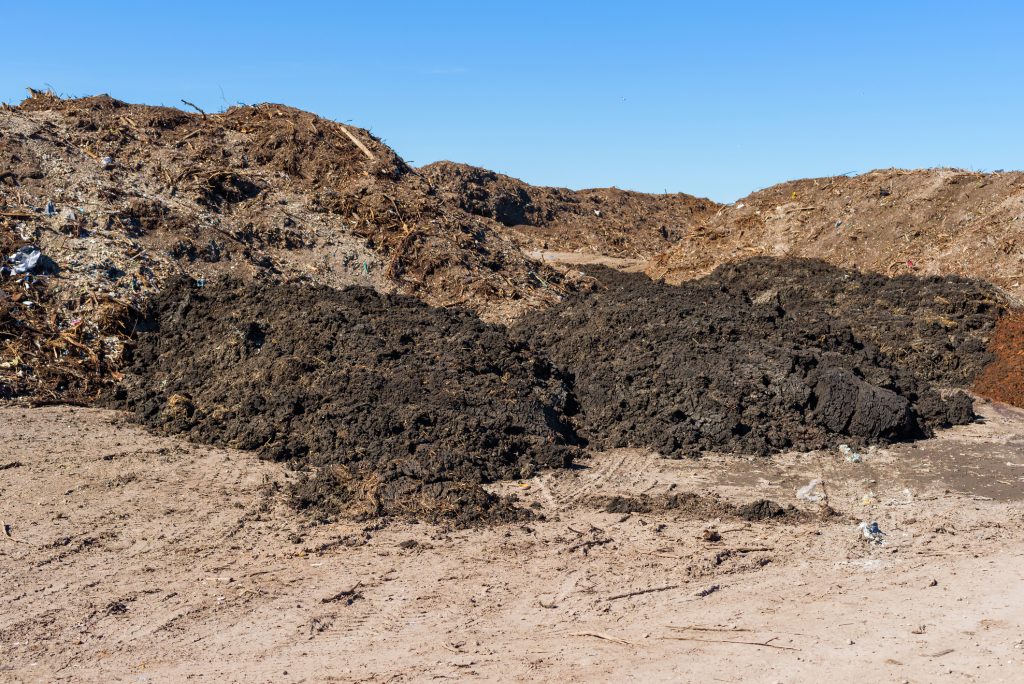
Clean fill is uncontaminated soil, rock, and inert rubble used to safely build grade.
You’re here because you want a clear, expert answer to what is a clean fill. I work with builders, landscapers, and homeowners who need to move earth the right way. In this guide, I’ll explain what is a clean fill, how to source it, when to use it, and how to avoid costly mistakes. You’ll get plain-English tips, real examples, and the rules that matter most.
What Is a Clean Fill? The Plain-English Definition
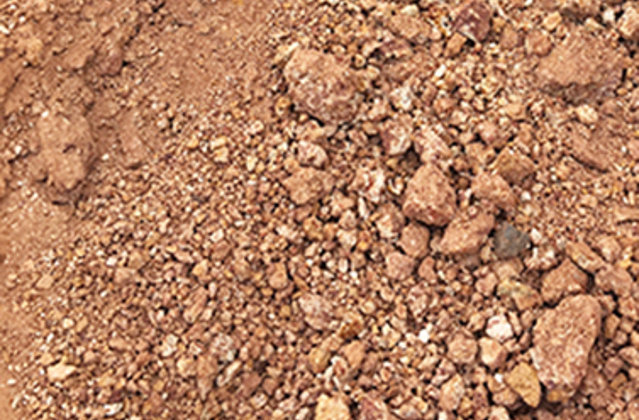
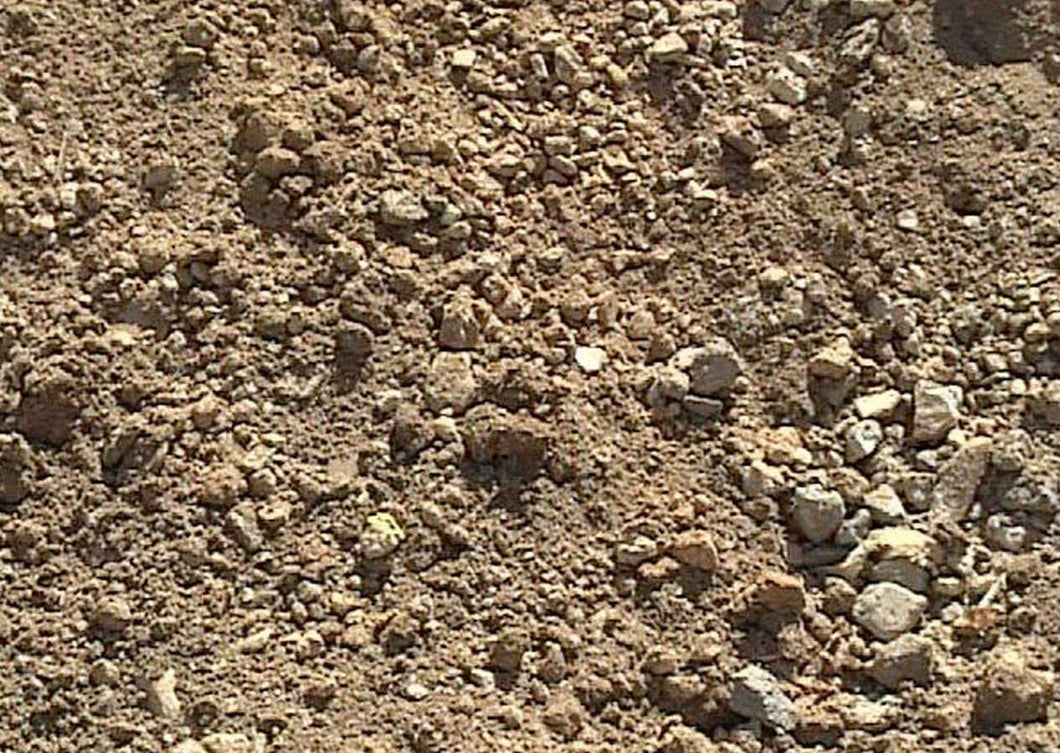
Clean fill is soil, rock, sand, gravel, or select construction fragments that are free of contamination. It is inert, meaning it does not decay, leach, or react in the ground. Many state rules agree on this idea, even if the wording differs. In short, if you ask what is a clean fill, think of natural earth and stable mineral bits that pose no risk.
Common traits of clean fill:
- Uncontaminated by fuel, oil, solvents, or chemicals
- Free of trash, wood, paper, and drywall
- Concrete or brick is okay when free of paint, coatings, and rebar
- Asphalt chunks are often allowed, if local rules permit
- Particle sizes that allow compaction and stable support
Rules vary by location. What is a clean fill in one state may be more strict elsewhere. When in doubt, test and document. That is how you protect your project and budget.
Why Clean Fill Matters for Your Project
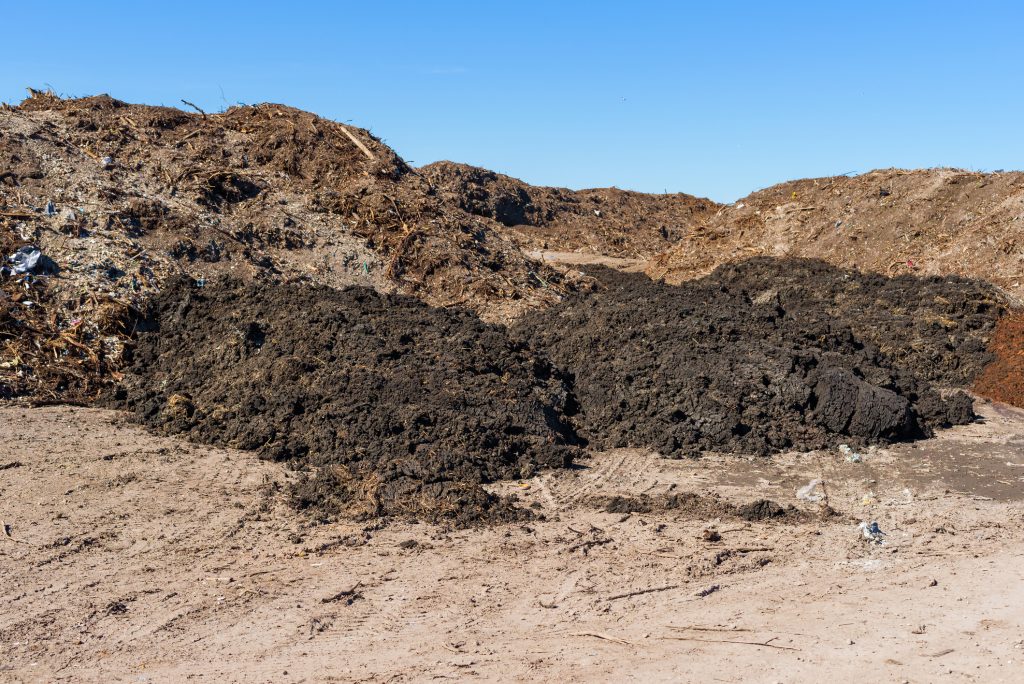
Clean fill keeps jobs safe, legal, and on schedule. It can lower disposal fees and help you reuse soil instead of sending it to a landfill. It also limits the risk of future claims from contamination.
Key benefits:
- Compliance and risk control. You avoid fines and stop-work orders.
- Cost savings. Clean fill is cheaper to place and accept than waste.
- Performance. Proper fill compacts well and supports slabs, roads, and yards.
- Environmental gains. Beneficial reuse cuts hauling miles and landfill use.
If someone asks you what is a clean fill during planning, they often mean, “Can we use this material without trouble later?” With the right checks, the answer is yes.
Clean Fill vs. Other Fill Types
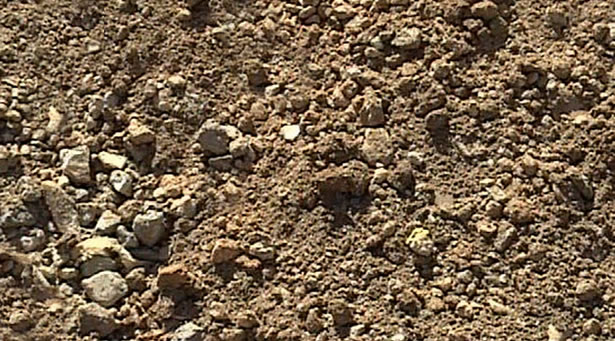
Knowing what is a clean fill is only part of the story. You also need to tell it apart from other fills.
- Topsoil: Good for plants. Not ideal under slabs because it holds water and organic matter.
- Structural or engineered fill: Designed for load. Often processed, tested, and compacted by spec.
- Contaminated fill: Contains chemicals or waste. Needs special handling and disposal.
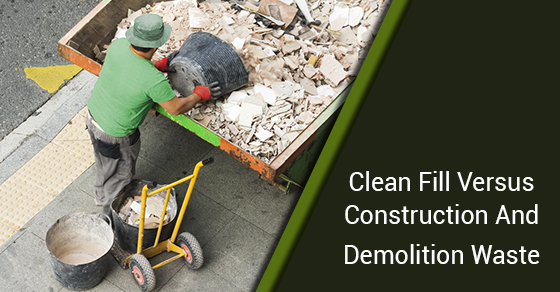
- C&D debris: Mixed construction waste. Not allowed as clean fill.
- Recycled concrete aggregate: Can be clean fill when free of coatings and rebar and meets size rules.
This is why many crews ask what is a clean fill at the start. The wrong pick can cause settlement, drainage issues, or legal risk.
Allowed and Not Allowed Materials
What is a clean fill in practical terms? Use this quick screen.
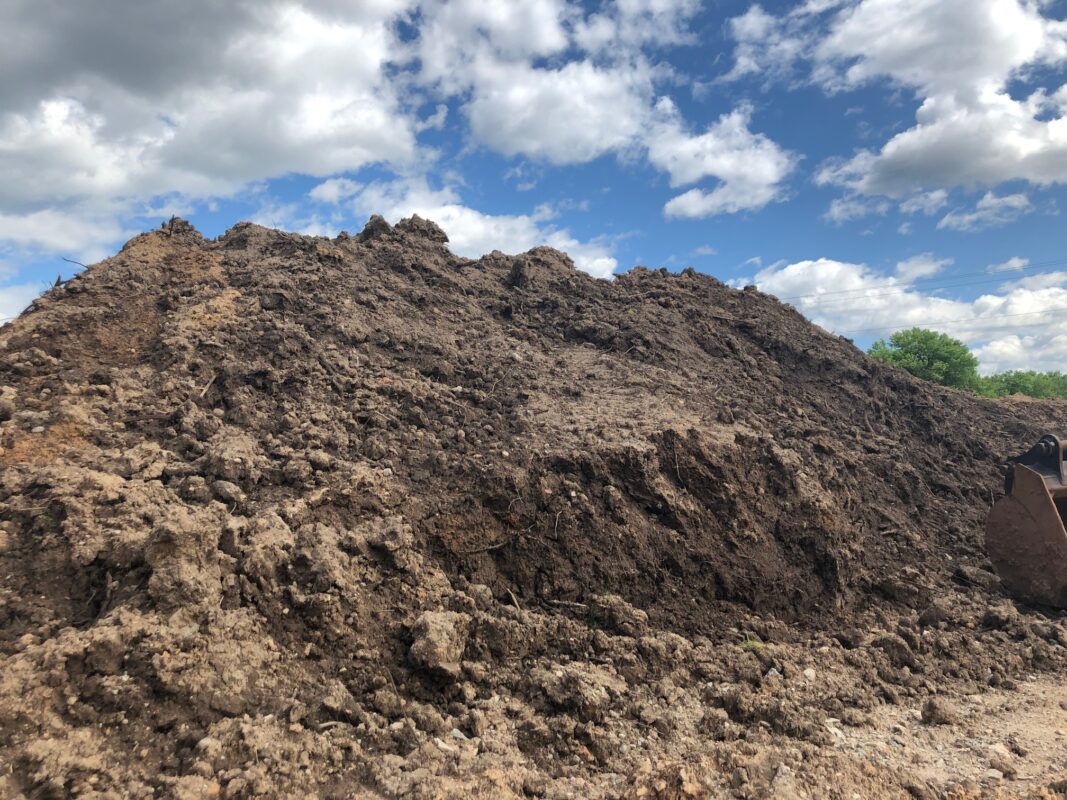
Usually allowed as clean fill:
- Natural soil, sand, silt, clay
- Rock and gravel
- Uncoated brick and cured concrete, without rebar
- Asphalt chunks, if local rules allow it
Usually not allowed:
- Wood, drywall, paper, plastic, glass, rubber
- Painted, coated, or asbestos-containing material
– Slag, ash, coal, or foundry sand without approval - Metals, rebar, wire, or rebar-studded concrete
- Soil with stains, odors, or debris
How to Verify and Source Clean Fill
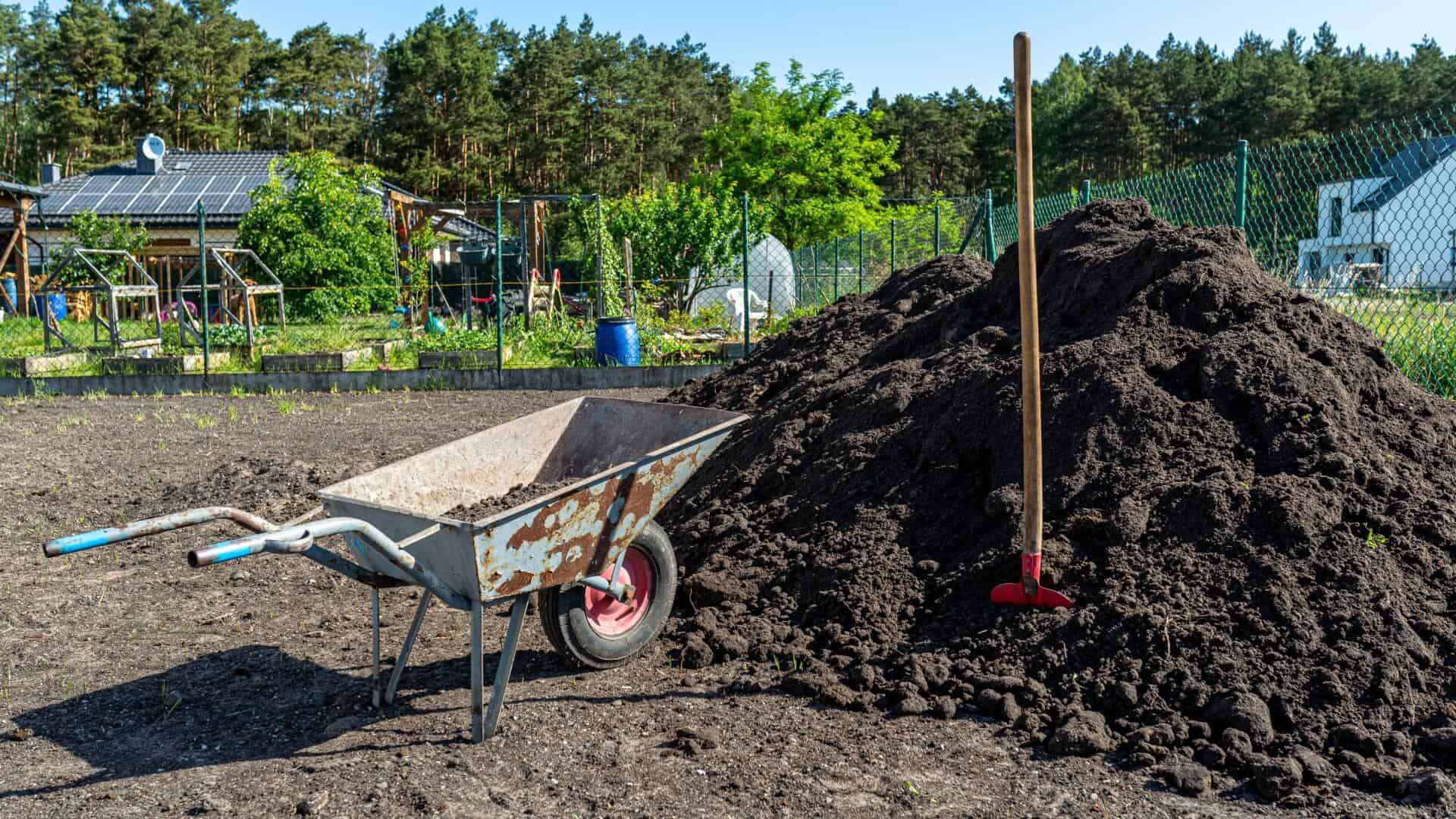
When you ask suppliers what is a clean fill, do not stop at “It’s clean.” Verify the facts.
Steps I use on jobs:
- Confirm the source. Ask for the project address and what was built there before.
- Inspect the load. Look for stains, odors, or debris before tipping.
- Ask for paperwork. Get a description of materials and any test data.
- Test smart. If the site history is risky, run basic soil tests for common pollutants.
- Keep records. Save tickets, photos, and any lab results.
Red flag: “Free fill, no questions asked.” If it goes bad, you own the cleanup. A little due diligence beats a big bill later.

Practical Uses and Field Examples
What is a clean fill used for day to day? Many tasks need it.
Common uses:
- Backfilling utility trenches and foundations
- Raising grade for patios, driveways, and parking pads
- Building berms, shaping yards, and fixing low spots
- Road subgrade and temporary access paths
From my work: A school project needed to lift a field by two feet. We screened on-site soil, mixed with imported clean sand for drainage, and compacted in thin lifts. Because we proved what is a clean fill and documented every load, we passed inspection without delay.
Risks, Limits, and Red Flags
Even when you know what is a clean fill, there are limits.
Watch out for:
- Hidden debris. Small bits of wood or drywall can cause voids and odors.
- Moisture content. Wet clay pumps and fails to compact.
- Oversized chunks. Big pieces create air pockets and settlement.
- Unknown source. Past industry use can hide metals or fuel.
- Painted fragments. Paint can carry lead or other hazards.
When I see mixed brick and concrete with paint traces, I pause the load. A five-minute check can save months of headaches.
Cost, Hauling, and Scheduling Tips
Understanding what is a clean fill helps you plan cost and time.
- Material cost. Clean fill dirt can be free or low cost, but transport is not.
- Hauling limits. Truck capacity and travel time drive the budget.
- Placement rate. Thin lifts with proper compaction take time but last longer.
- Testing budget. A few targeted tests can protect the entire job.
Pro tip: Stage clean fill close to use areas. Short hauls on site cut cycle time and crew idle time.
Placement Best Practices for Long-Lasting Results
Knowing what is a clean fill is half the win. Placing it right is the other half.
- Prepare subgrade. Remove topsoil and soft spots first.
- Place in thin lifts. Aim for 6 to 12 inches per pass.
- Compact to spec. Use the right roller or plate compactor. Verify density if needed.
- Shape for drainage. Build slope away from structures.
- Control erosion. Use silt fence and cover stockpiles if rain is coming.
Small habits here make big savings later. Flat spots that trap water can ruin good fill.
Local Rules, Definitions, and Testing
What is a clean fill changes by state and even by county. Many regulators define clean fill as natural, inert material with no contamination. Some allow unpainted concrete and brick. Others set limits for metals or petroleum. A few require lab tests or simple screening based on site history.
Tips for compliance:
- Check local definitions before you accept or place fill
- Keep delivery logs and photos
- Use test data when the source is uncertain
- When rules are unclear, ask the authority in writing
This simple paper trail has saved my clients more than once.
Frequently Asked Questions of what is a clean fill
What is a clean fill in simple terms?
It is soil, rock, sand, gravel, and certain inert construction fragments that are free of contamination. Think natural, stable material that will not harm the ground.
How do I know if my dirt qualifies as clean fill?
Check the source history, look for debris or stains, and ask for paperwork. If there is any doubt, run basic soil tests to confirm it is uncontaminated.
Can concrete be used as clean fill?
Yes, if it is cured, uncoated, and free of rebar and paint. Check local rules, as some areas limit concrete size or require processing.
Is asphalt allowed as clean fill?
Many places allow asphalt millings or chunks as clean fill. Always confirm with local rules, since policies differ.
Where can I get clean fill dirt?
Try local excavation contractors, material suppliers, or municipal programs. Always verify the source and get documentation before accepting deliveries.
Conclusion
You now have a clear picture of what is a clean fill: inert, uncontaminated soil and mineral material that supports safe, durable work. Use the checklists, ask for proof, and test when needed. These steps protect your site, your budget, and your peace of mind.
Put this guide to work on your next job. Confirm what is a clean fill with your supplier, set simple rules at the gate, and keep clean records. Want more tips like this? Subscribe, share your questions, or leave a comment with your project details.