What Is The Best Homemade Window Cleaning Solution: DIY Mix
Best homemade window cleaner: distilled water, white vinegar, isopropyl alcohol, tiny dish soap.
If you wonder what is the best homemade window cleaning solution for streak-free glass, you’re in the right place. I’ve tested it in sunny kitchens, foggy bathrooms, and dusty rentals. This guide shares the exact recipe, why it works, how to fix special problems, and the tools that make all the difference. By the end, you’ll know what is the best homemade window cleaning solution and how to use it like a pro.
The best all-purpose formula for crystal-clear windows
If you are asking what is the best homemade window cleaning solution, this is my go-to mix. It dries fast, cuts grease, and leaves no haze when used with the right cloth.
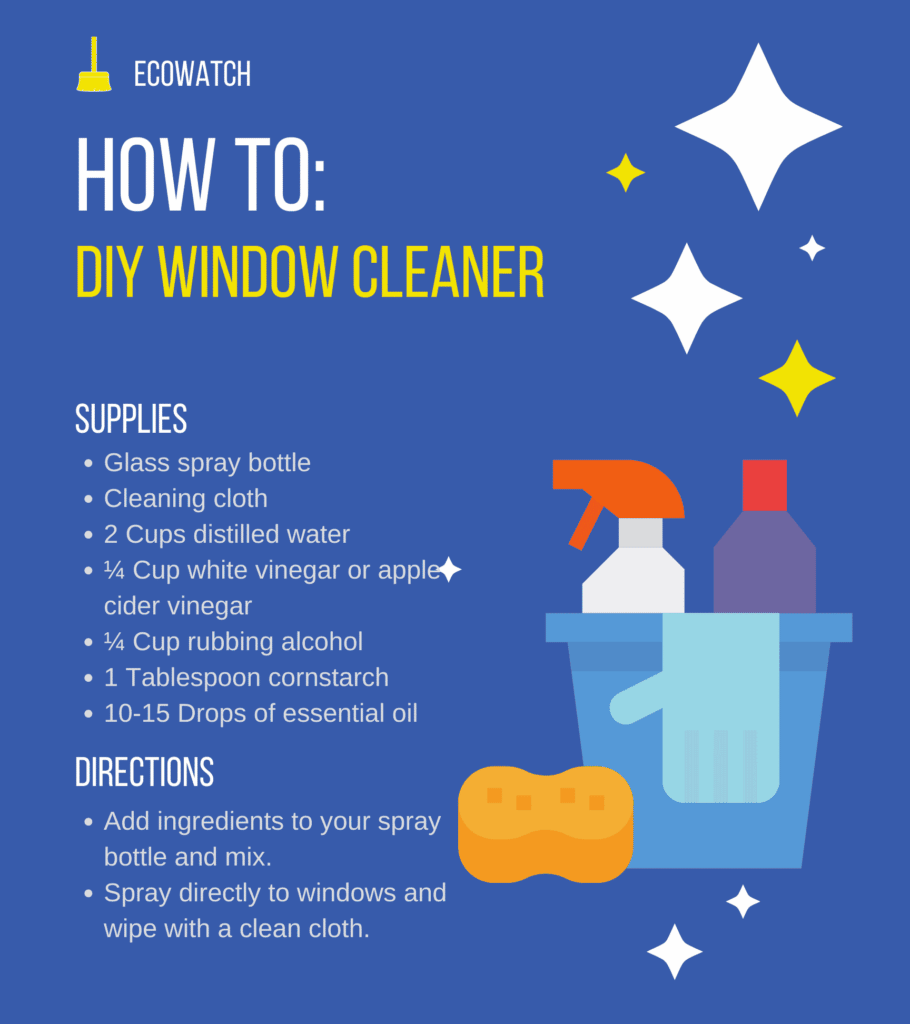
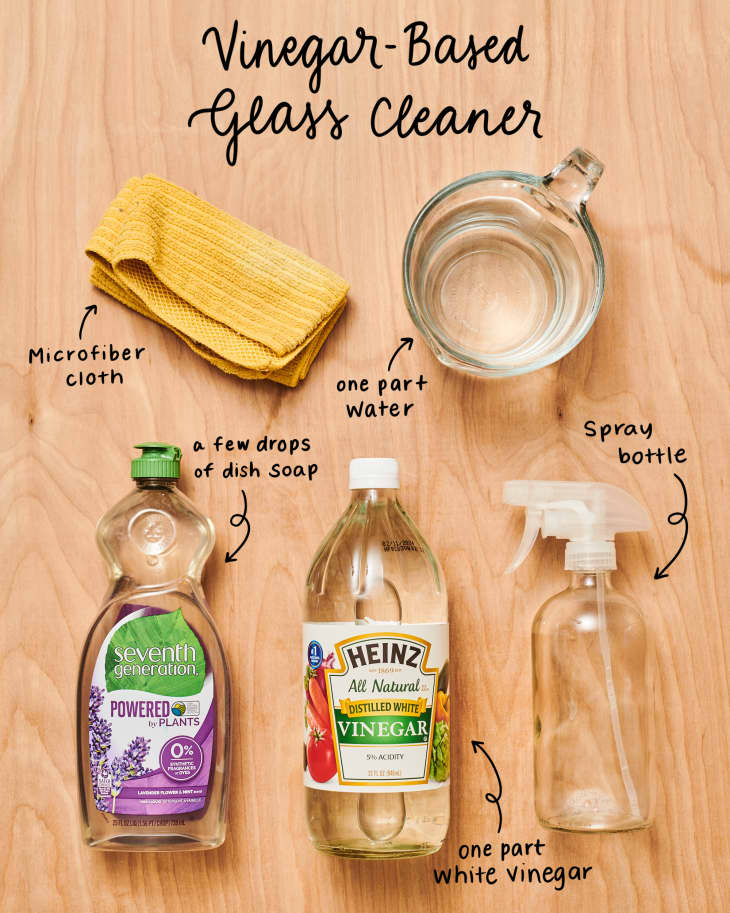
- 1 cup distilled water reduces mineral spots.
- 1 cup white distilled vinegar (5% acidity) dissolves film and hard water.
- 1/2 cup isopropyl alcohol (70% is ideal) speeds drying and removes oils.
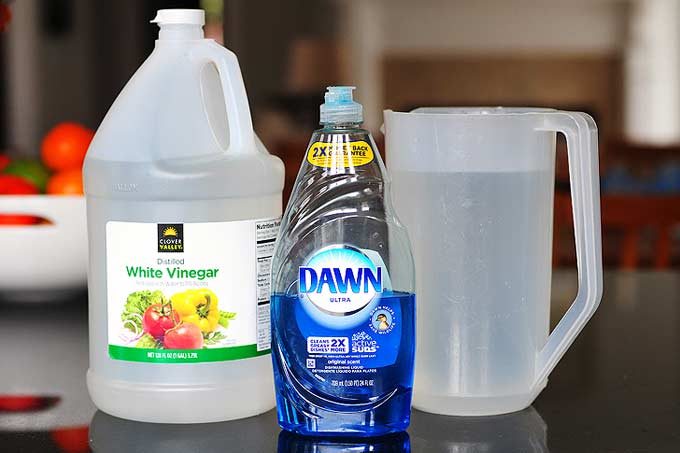
- 1–2 drops clear, dye-free dish soap boosts cleaning on grimy glass.
- Optional: 1/2 teaspoon cornstarch for ultra-sharp shine; shake well before each use.
How to mix and use
- Add water, vinegar, alcohol, and soap to a clean spray bottle.
- Label it and store it away from heat or flames.
- Spray lightly on glass. Wipe with a clean microfiber towel.
- Flip to a dry side. Buff until the glass squeaks.
- For large panes, use a squeegee after spraying, then detail edges with a towel.
Pro notes from the field
- I manage several rental units and clean in all seasons. This formula beats straight vinegar or soap mixes on mirrors, patio doors, and shower glass.
- Distilled water is key. It prevents spots from minerals in tap water, which cause streaks when the water dries.
Safety tips
- Never mix vinegar with bleach. It releases toxic gas.
- Test on window films, screens, or tints. Alcohol can affect some adhesives.
- Avoid vinegar on stone sills like marble or limestone. Acid can etch them.
If you want a quick answer to what is the best homemade window cleaning solution for daily use, start here.
Why this mix works so well
People often ask what is the best homemade window cleaning solution from a science view. It comes down to how each part helps the glass.
- Vinegar lowers pH to break down alkaline film from dust, soap scum, and minerals.
- Isopropyl alcohol dissolves oils and evaporates fast, which reduces streaks.
- A tiny drop of dish soap adds surfactants. It lowers surface tension so the liquid spreads and lifts grime.
- Distilled water carries it all without leaving mineral rings.
Together, they clean and dry fast. The result is clear glass with less buffing and fewer passes.
Tailor the recipe to your needs
There is not just one single answer to what is the best homemade window cleaning solution. Tweak it based on the mess, season, and surface.
For greasy kitchen windows
- First pass: warm water with 2 drops of dish soap on a microfiber towel.
- Second pass: the main vinegar–alcohol mix to finish streak-free.
For hard water spots or shower glass
- Use the standard mix but let it sit for 1–2 minutes before wiping.
- For heavy scale, make a gentle paste of baking soda and water. Rub lightly, then finish with the main mix. Avoid this on coated or tinted glass.
For winter or humid climates
- Add up to 3/4 cup alcohol per 2 cups total liquid to speed drying.
- Work in smaller sections to prevent fogging.
For mirrors
- Spray the cloth, not the mirror. This avoids seepage behind the glass.
- Wipe edges dry to prevent black spots over time.
For car windows and tints
- Do not use ammonia. It can harm tints and interior surfaces.
- The vinegar–alcohol mix is fine for most glass, but spot-test film first. If unsure, use distilled water, a drop of soap, and alcohol only.

Tools and technique that prevent streaks
Even the best answer to what is the best homemade window cleaning solution fails without good tools and simple habits.
- Use quality microfiber towels. Keep a set only for glass. Wash them without fabric softener.
- Try the two-towel method. One damp for cleaning; one dry for final buff.
- Work top to bottom. Wipe outside panes in vertical strokes and inside panes in horizontal. If you see streaks, you’ll know which side to fix.
- Avoid direct sun. Heat speeds drying and bakes in streaks.
- Use a squeegee for wide windows. Wipe the blade after each pass.
Real-world tip
- On remodel jobs, I do a dry dust wipe first. This removes grit that can scratch glass when wet.
Common mistakes that cause streaks
Many people think what is the best homemade window cleaning solution is only about ingredients. It is also about steps.
- Using tap water. Minerals dry into spots. Use distilled water for mixing.
- Too much soap. More bubbles mean more film. Stick to 1–2 drops per bottle.
- Paper towels. They shed lint. Use microfiber or a squeegee.
- Over-spraying frames. Liquid can get behind mirrors or into wood. Spray the cloth instead.
- Cleaning in heat or direct sun. The mix dries before you wipe.

Cost, safety, and storage
For budget seekers asking what is the best homemade window cleaning solution, this formula is a huge money saver.
- Cost: usually under 50 cents per 24-ounce bottle.
- Shelf life: up to 3 months sealed and stored cool and dark. Shake before use, especially if you added cornstarch.
- Label the bottle. Keep away from kids and pets.
- Alcohol is flammable. Do not store near heat or open flame.
:max_bytes(150000):strip_icc()/cleaning-products-tools-best-homemade-window-cleaner-01-b58b07400a334c818193bd0b90bcba62.jpg)
Frequently Asked Questions of what is the best homemade window cleaning solution
What if I can’t stand the vinegar smell?
Use less vinegar and more alcohol, or add a drop of lemon or peppermint oil. The scent fades as the alcohol evaporates.
Can I use this on smart devices or TV screens?
No. Use a screen-safe cleaner or plain distilled water on a barely damp microfiber. Harsh liquids can damage coatings.
What is the best homemade window cleaning solution for hard water stains?
Use the main mix and give it a longer dwell time. For stubborn buildup, use a gentle baking soda paste first, then finish with the main spray.
Will this formula damage window tints or films?
It is usually fine, but always spot-test. Avoid ammonia and check the film maker’s care guide.
How do I stop lint and streaks for good?
Use clean, high-quality microfiber and the two-towel method. Work out of direct sun and use distilled water in the mix.
Can I make a version without alcohol?
Yes. Mix 1 cup distilled water, 1 cup vinegar, and 1–2 drops dish soap. It dries slower, so buff well with a dry cloth.
Is cornstarch safe in a spray bottle?
Yes, in small amounts like 1/2 teaspoon per bottle. Shake before each use so it does not settle and clog the sprayer.
Conclusion
You asked what is the best homemade window cleaning solution, and now you have a proven, flexible answer. Use distilled water, white vinegar, a splash of isopropyl alcohol, and a tiny drop of dish soap. Pair it with clean microfiber, smart technique, and shade, and your glass will shine with less effort.
Try one window today and compare it to your old method. Then refine the mix for your home and season. If you found this guide helpful, share it, subscribe for more simple home fixes, or drop your results and tweaks in the comments.